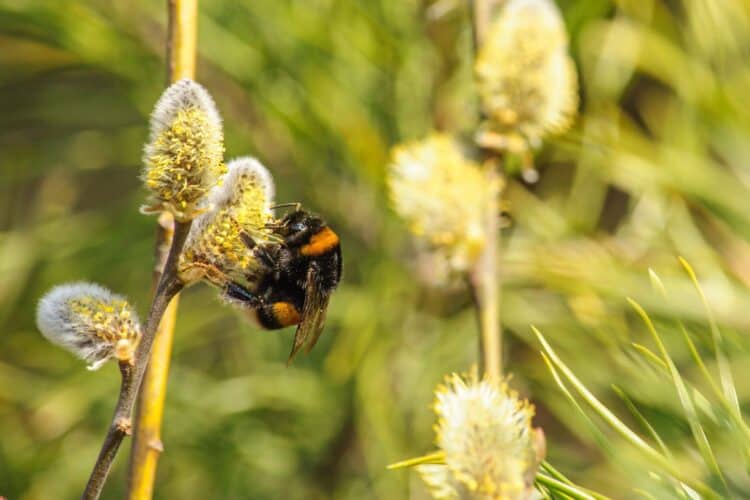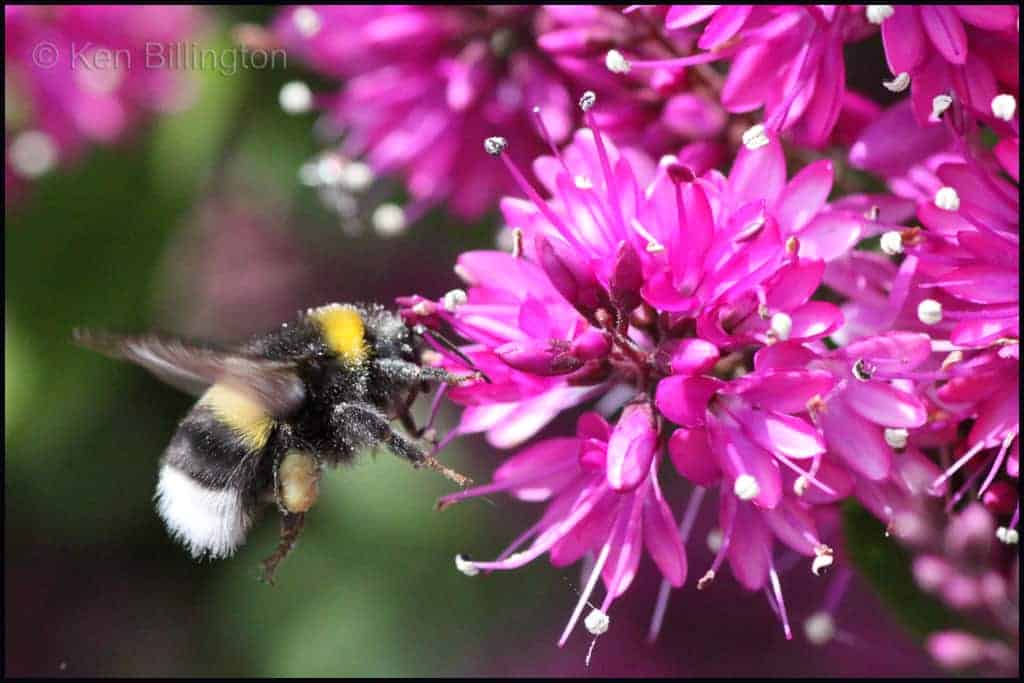
Some of the world’s most commonly used pesticides are killing bees by damaging their ability to navigate and reducing numbers of queens, research suggests.
Scientific groups in the UK and France studied the effects of neonicotinoids, which are used in more than 100 nations on farm crops and in gardens.
The UK team found the pesticides caused an 85% drop in queen production.
Writing in the journal Science, the groups note that bee declines in many countries are reducing crop yields.
In the UK alone, pollination is calculated to be worth about £430m to the national economy. And the US is among countries where a succession of local populations has crashed, a syndrome known as Colony Collapse Disorder.
Many causes have been suggested, including diseases, parasites, reduction in the range of flowers growing wild in the countryside, pesticides, or a combination of them all. The neonicotinoids investigated in the two Science papers are used on crops such as cereals, oilseed rape and sunflowers.
Often the chemical is applied to seeds before planting. As the plant grows, the pesticide is contained in every part of it, deterring insect pests such as aphids. But it also enters the pollen and nectar, which is how it can affect bees.
Dave Goulson from the UK’s University of Stirling and colleagues studied the impact of the neonicotinoid imidacloprid on bumblebees. They let bees from some colonies feed on pollen and sugar water containing levels of imidacloprid typically found in the wild, while others received a natural diet. Then they placed the colonies out in the field.
Read full article, which was written by Richard Black Environment correspondent, BBC News
You may also like:
Leave a Comment
- binnie
- http://flowerhillfarm.blogspot.com/ Carol Duke
Top-Viewed Posts Last 30 Days
- Bison return to Germany after 300 year absence » Focusing on Wildlife [315 Views]
- Billions of cicadas to invade US east coast after 17 years underground » Focusing on Wildlife [299 Views]
- Komodo and its Dragons » Focusing on Wildlife [295 Views]
- Beautiful striped bat is the “find of a lifetime” (photos) » Focusing on Wildlife [250 Views]
- Brakend Tureluurtje » Focusing on Wildlife [209 Views]
- New insect discovered in Brazil, only third known in its bizarre family (photos) » Focusing on Wildlife [197 Views]
- The Thai ‘honeypots’ used to traffic wild animals out of South Africa: Women pose as hunters with licences to slaughter rhinos » Focusing on Wildlife [189 Views]
- World’s rarest duck on the rebound in Madagascar » Focusing on Wildlife [164 Views]
- Orange County (California) Birds of Prey » Focusing on Wildlife [156 Views]
- Amur leopard population rises to 50 animals, but at risk from tigers, poachers » Focusing on Wildlife [146 Views]
Explore These Popular Posts From Last Year
- Shocking Amur Falcon Massacre in Nagaland » [1830 Views]
- Komodo and its Dragons » [1657 Views]
- Orange County (California) Birds of Prey » [1222 Views]
- Please promote our logo for wildlife conservation » [1206 Views]
- NATURE “Magic of the Snowy Owl” – Preview – PBS » [1041 Views]
- Insects » [1004 Views]
- Gorillas Win vs. Poachers » [959 Views]
- Wildlife Slaughter in South Dakota » [585 Views]
- Interview with Steve Mills, Award Winning Photographer » [511 Views]
- The Golden Eagle in Scotland – As climatic changes take hold, what future awaits these iconic raptors in the 21st Century? » [504 Views]