
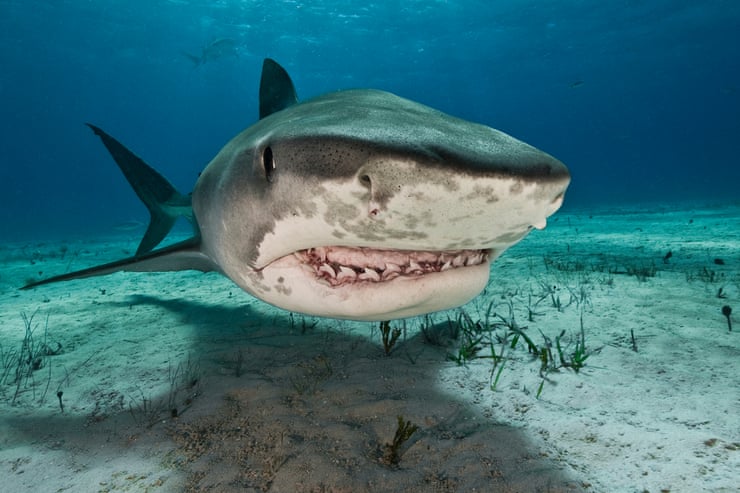
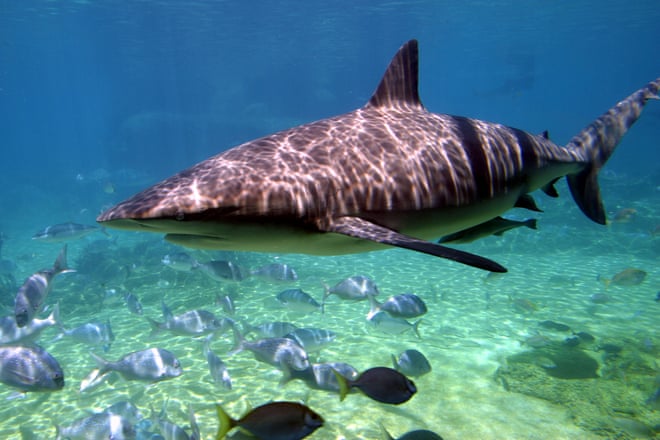
Social media influencers may be doing more harm than good when it comes to marine life. A new study published in Frontiers in Conservation links the rise in shark attacks to viral content that encourages people to interact directly with sharks—often under the guise of Conservation or thrill-seeking.
Researchers reviewed shark encounter records from French Polynesia and found that out of 74 recorded bites, 5% were defensive responses to humans getting too close, particularly touching or grabbing the animals.
The study, led by Professor Eric Clua of PSL University in France, also analysed over 300 similar incidents in the global Shark Attack Files, dating back to the 1800s. According to Clua, these cases followed a strikingly similar pattern: people getting too close to sharks and triggering a defensive reaction.
Clua pointed to a worrying trend where influencers treat wild animals like photo props. “I don’t encourage, as many influencers do on social networks, [people] to cling to a shark’s dorsal fin or stroke it,” he told The Times, stressing that these actions can provoke even typically non-aggressive sharks. He compared the misunderstanding to people not knowing the difference between shark species, much like confusing a pit bull with a Yorkshire terrier.
Celebrities such as Zac Efron, Ciara, and Bella Thorne have all posted clips of themselves touching sharks. These videos often go viral, further encouraging the behaviour. Even influencers like Taylor Cunningham and Ocean Ramsay, who claim to Support shark Conservation, share footage of physical interactions.
Sharks are responsible for fewer than ten human deaths annually, compared to the 10,000 caused by dogs—yet sharks are still seen as dangerous. This perception, and the viral content that feeds it, may ultimately be doing sharks—and people—more harm than good.
Let’s shift the narrative. Wild animals deserve our respect, not our selfies. The next time you’re in the ocean, admire sharks from a safe distance. Skip the touch—and skip following influencers who promote it.
This article by Nicholas Vincent was first published by One Green Planet on 2 May 2025. Lead Image: Image Credit :LuckyStep/Shutterstock.
Wildlife increasingly under siege
Threats to wildlife include hunting, poaching, deforestation, habitat loss, pollution, climate change and the illegal trade in animal products.
Help to protect wildlife by donating as little as $1 – It only takes a minute.
 Donate
Our conservation partners spend at least 80 percent of the money raised on actual fieldwork rather than administration and fundraising.


Leave a Reply