
After successfully reintroducing beavers back into the wild in England, a new project is looking to bring European elk back to the UK. The elk previously went extinct in the UK 3,000 years ago.
Rewilding Britain is awarding grants through its Rewilding Innovation Fund for a joint project by the Derbyshire and Nottinghamshire Wildlife Trusts in order to return European elk — as well as bison and beaver — to the wild in England. As part of the fund, multiple projects will receive up to 15,000 pounds ($19,918) to put toward rewilding initiatives.
“Keystone species like elk, bison and beaver play a vital role in bringing nature back to life. They help repair ecosystems and shape wild places in ways that benefit wildlife, people and the climate,” Rebecca Wrigley, chief executive of Rewilding Britain, said in a statement. “Successfully reintroducing missing species like these is absolutely crucial.”
As Derbyshire Wildlife Trust reported, the European elk (Alces alces), forages in wooded areas and grazes in wetlands, both actions that can help regenerate ecosystems. These animals consume leaves and twigs of trees and shrubs, which can help spread seeds, and they also eat submerged vegetation in wetlands.
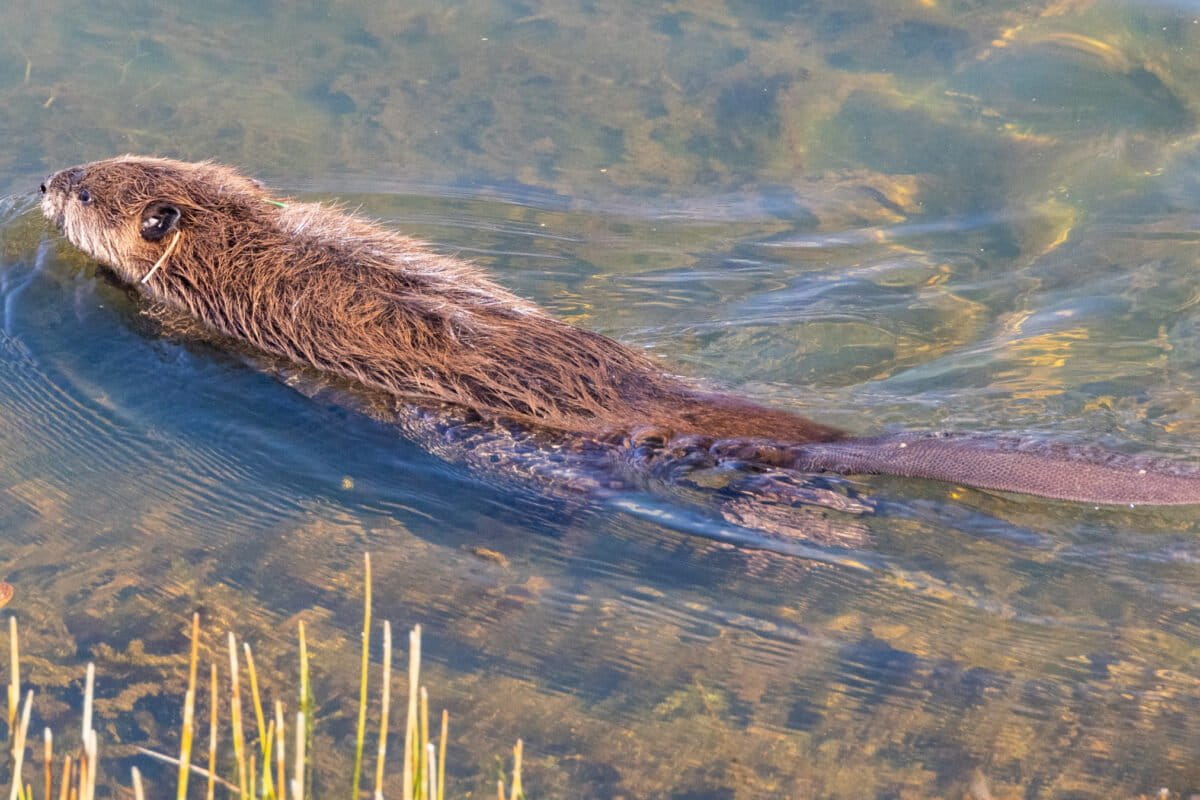
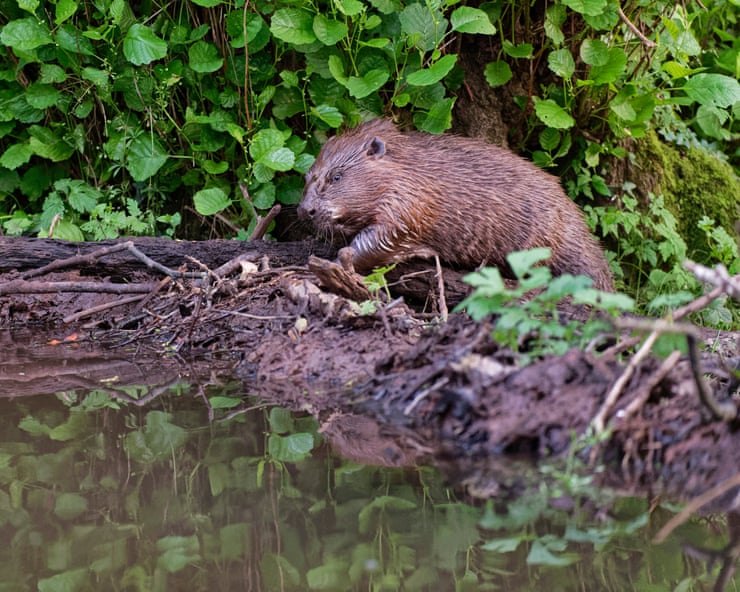
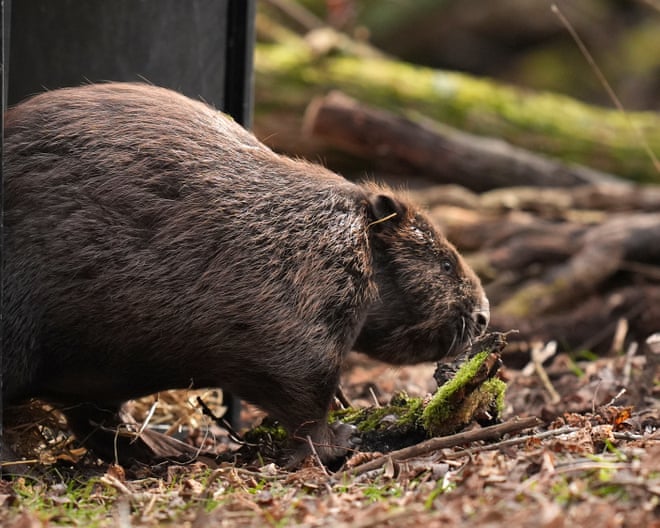
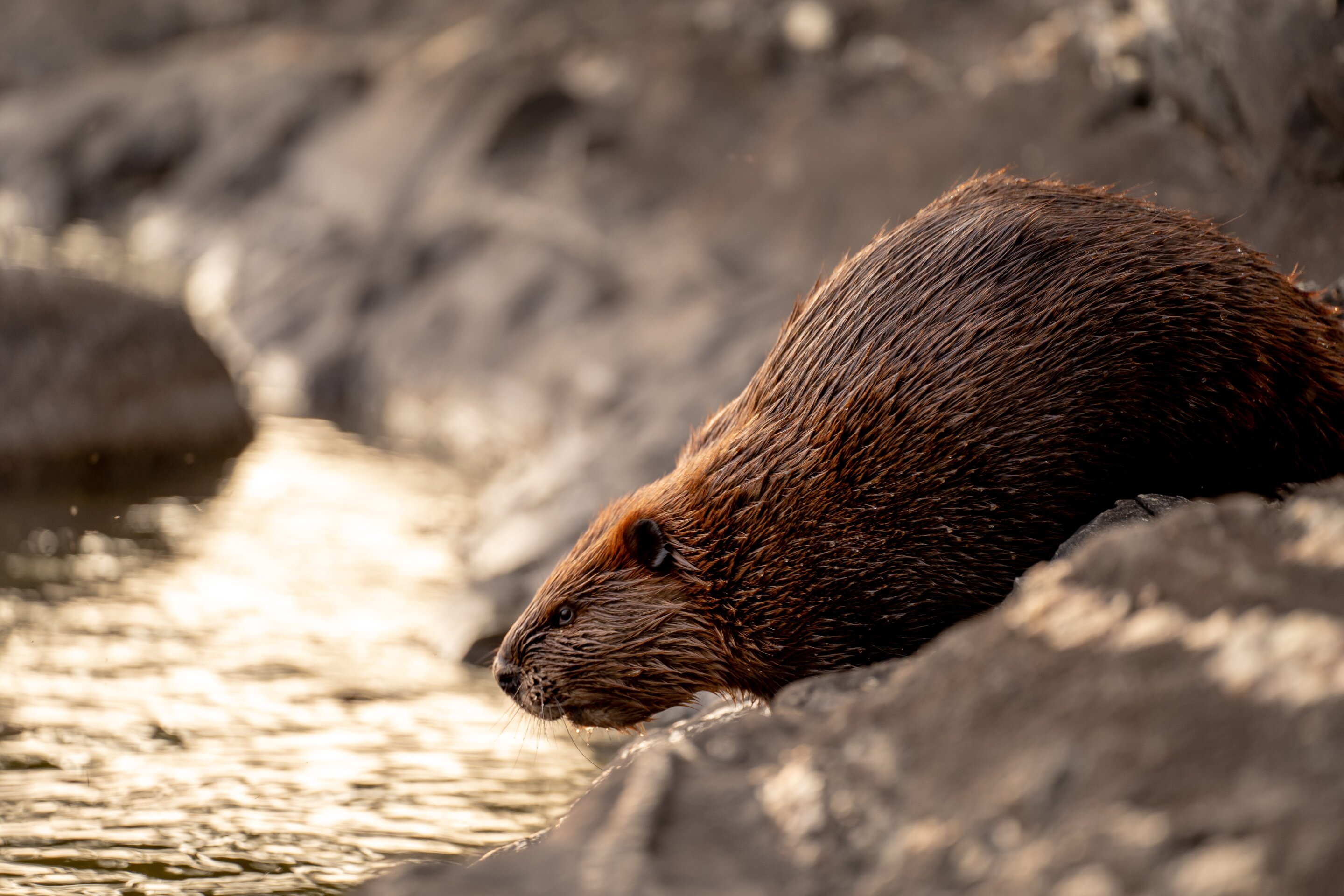
While both elk and beavers are native to the UK, hunting and habitat loss caused both to go extinct. Beavers disappeared from the wilderness in the UK around 400 years ago, and elk went extinct in the UK 3,000 years ago.
While ongoing projects have helped return beavers to wetland habitats in the UK, there are no wetlands that are home to both beavers and elk. Derbyshire and Nottinghamshire Wildlife Trusts are optimistic that their proposed project to release elk into existing beaver enclosures will help successfully restore these animals back into the wild.
“This project could demonstrate how this crucial ecosystem engineer can thrive in floodplain landscapes, shaping diverse habitats that benefit communities and support biodiversity recovery,” said Rachel Bennett, deputy director of Wilder Landscapes and Derbyshire Wildlife Trust. “It may also serve as a catalyst for engaging people in the long-term benefits of returning elk to the wild.”
Including the project to reintroduce elk from Derbyshire and Nottinghamshire Wildlife Trusts, 13 total projects will receive funding from Rewilding Britain. Other projects include an initiative to bring bison to the wild in the UK, a project to return beavers to the northern Scottish Highlands, a study on seagrass restoration in Cornwall and further progress for an ongoing project to restore temperate rainforests of the Scottish Highlands, among others.
The entire list of funded projects, except one that remains confidential, is available here.
In total, Rewilding Britain is investing almost £180,000 ($239,000) in this group of Rewilding Innovation Fund projects; this is the largest amount of money the organization has ever invested in one set.
This article by Paige Bennett was first published by EcoWatch on 15 May 2025. Lead Image: A new project is looking to bring elk back to the UK. Rewilding Britain.
Wildlife in catastrophic decline
The 73% decline in vertebrate wildlife populations during the last 50 years (mammals, birds, amphibians, reptiles and fish), is primarily driven by human activities that threaten biodiversity.
Habitat Loss and Degradation – human activities like deforestation, urbanization, and agriculture have led to the destruction and fragmentation of natural habitats, reducing the space and resources available for wildlife.
Pollution – air, water, and soil pollution from industrial activities, agriculture, and other sources can harm wildlife directly or indirectly by affecting their habitats and food sources.
Climate Change – changing weather patterns, rising temperatures, and sea levels are disrupting ecosystems and impacting species’ ability to adapt and survive.
Overexploitation of Resources – unsustainable hunting, fishing, and logging practices can lead to the depletion of populations and the loss of biodiversity.
Invasive Species – the introduction of non-native species can disrupt ecosystems, compete with native species, and threaten their survival.
 Donate
Help to protect wildlife by donating as little as $5. Our conservation partners spend at least 80 percent of the money raised on actual fieldwork rather than administration and fundraising.

Leave a Reply