
Penguin droppings may play a role in the formation of clouds over Antarctica, new research finds.
Penguins produce an enormous volume of excrement, or guano, so much that last year four colonies of emperor penguins were discovered after researchers spotted their droppings in satellite images. Such massive quantities of guano are a major source of ammonia, a chemical known to influence the formation of clouds.
Ammonia reacts with other gases to create tiny airborne particles, called aerosols, and when water condenses onto these particles, clouds emerge. But until now, scientists had not demonstrated a link between penguin droppings and the formation of clouds.
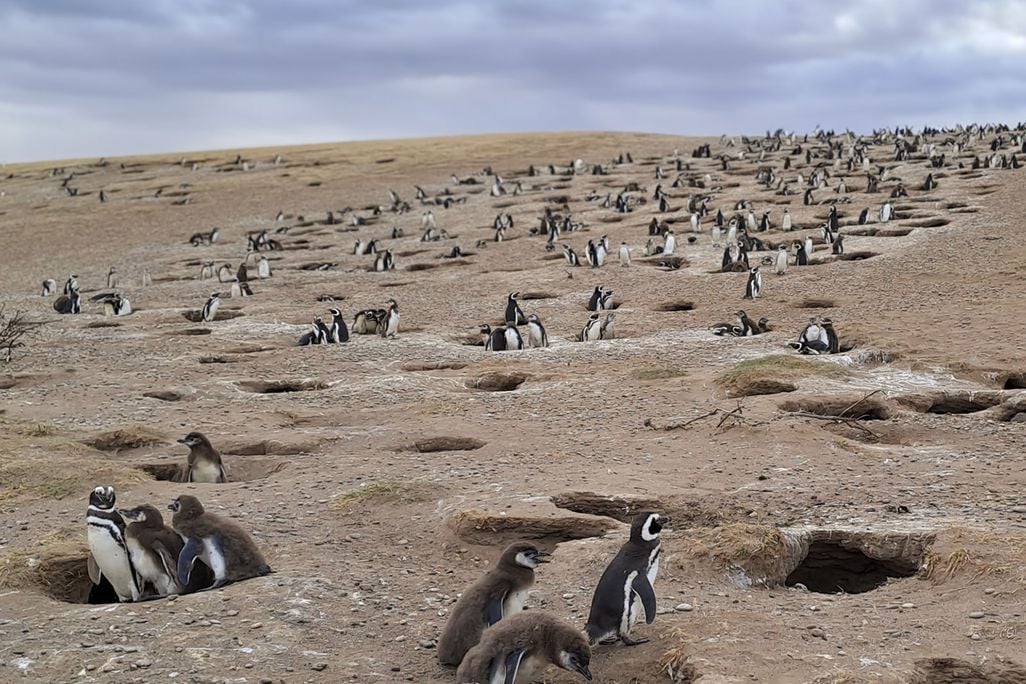
For the new study, researchers based at Marambio Station on the Antarctic Peninsula measured airborne ammonia wafting from a nearby colony of 60,000 Adélie penguins. When the wind blew from the direction of the colony, they found, ammonia levels rose, sometimes to levels more than 1,000 times above normal. Even after the penguins moved away, the droppings they left behind continued to push ammonia levels to 100 times above normal.
When ammonia levels shot up, researchers found, so did the number of aerosol particles. Soon after, fog would form, likely due to the accumulation of aerosols, scientists said.
The findings, published in Communications Earth & Environment, suggest that penguin droppings are seeding clouds. Because low-lying clouds reflect sunlight, authors said, penguins may actually be helping to keep parts of Antarctica cool, slowing the loss of sea ice.
Scientists have long debated seeding clouds as a way to stem warming. According to a study in Science, the decline of ocean clouds was likely a factor in the recent spike in global warming.
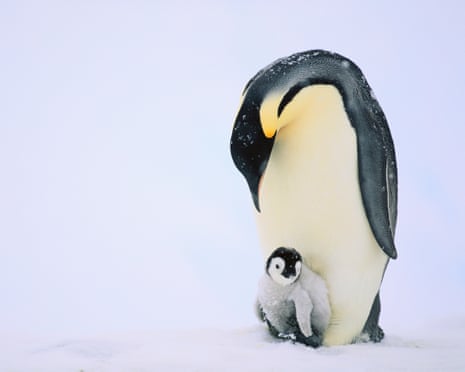
This article was first published by Yale Environment 360 on 22 May 2025. Lead Image: An Adélie penguin. Christopher Michel via Flickr.
Wildlife in catastrophic decline
The 73% decline in vertebrate wildlife populations during the last 50 years (mammals, birds, amphibians, reptiles and fish), is primarily driven by human activities that threaten biodiversity.
Habitat Loss and Degradation – human activities like deforestation, urbanization, and agriculture have led to the destruction and fragmentation of natural habitats, reducing the space and resources available for wildlife.
Pollution – air, water, and soil pollution from industrial activities, agriculture, and other sources can harm wildlife directly or indirectly by affecting their habitats and food sources.
Climate Change – changing weather patterns, rising temperatures, and sea levels are disrupting ecosystems and impacting species’ ability to adapt and survive.
Overexploitation of Resources – unsustainable hunting, fishing, and logging practices can lead to the depletion of populations and the loss of biodiversity.
Invasive Species – the introduction of non-native species can disrupt ecosystems, compete with native species, and threaten their survival.
 Donate
Help to protect wildlife by donating as little as $5. Our conservation partners spend at least 80 percent of the money raised on actual fieldwork rather than administration and fundraising.


Leave a Reply