
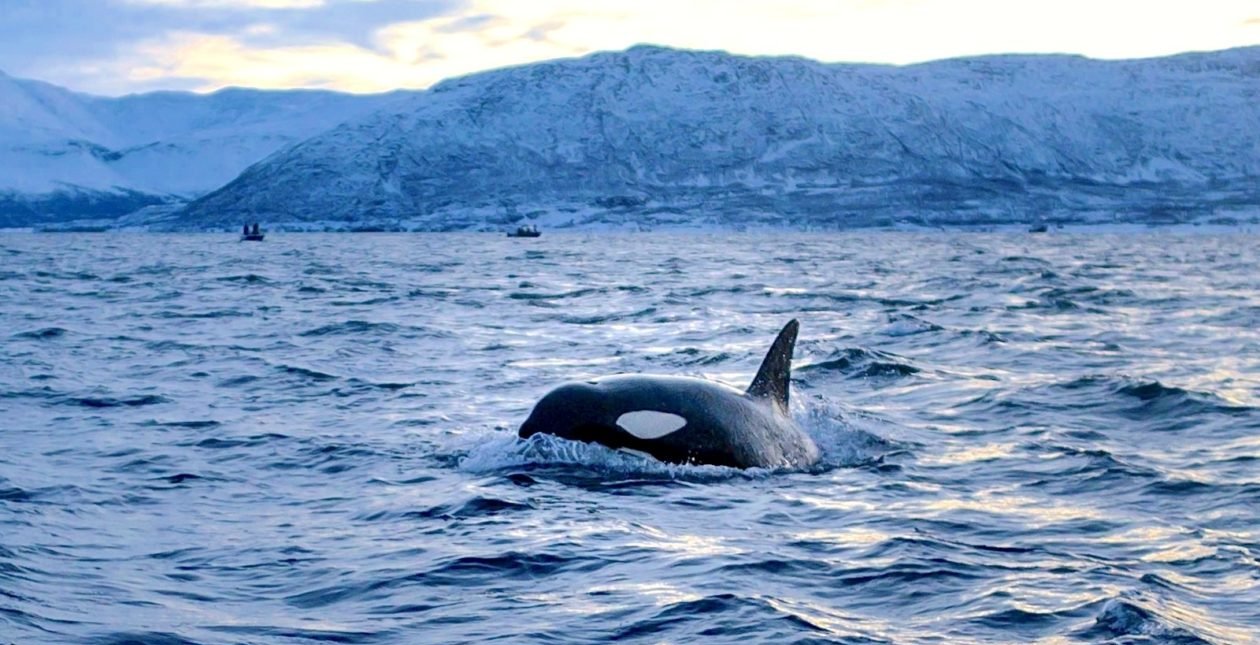
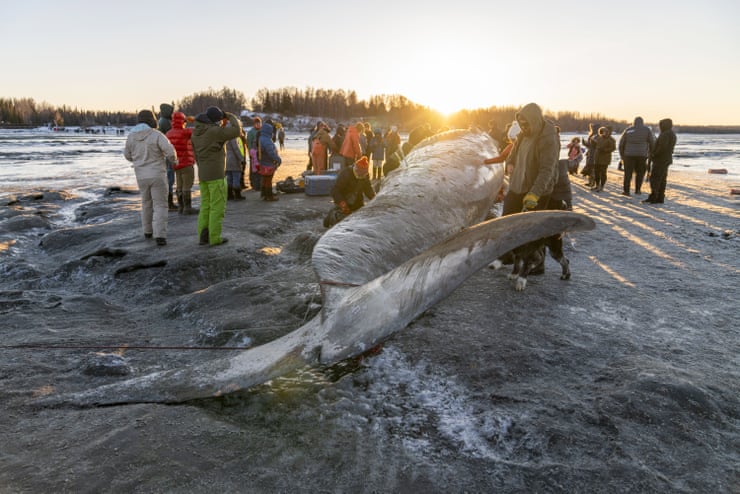
This summer, Iceland’s only whaling company has halted its fin whale hunt, citing lack of demand in Japan. While it’s a rare moment of relief, it’s not a victory—Japan, Norway, and Iceland remain the only countries still conducting legal commercial whaling. Under the false banner of tradition and science, whales are still being killed—and the fight continues.
A Fragile Win
Fin whales, the second largest animals on Earth, were nearly driven to extinction by commercial whaling. That killing continues today, despite overwhelming global opposition and the ecological importance of these migratory giants.
A Changing Fight for Whale Survival
At the same time, another slaughter goes unchecked in the Faroe Islands. Every year, pilot whales and white-sided dolphins are herded into shallow bays and butchered by the hundreds. This isn’t about food security—it’s a cultural practice defended by tradition but condemned worldwide.
And while some whales are being hunted, others are dying at the hands of industry at sea—caught as bycatch, as we saw last month in Antarctica when krill trawlers overwhelmed known whale feeding grounds, or killed by ship strikes as ocean traffic increases around offshore oil and wind operations.
Sea Shepherd has spent decades defending whales from harpoons—but today that mission must expand. We’re documenting krill trawlers in Antarctica, pushing for bans on whaling, and calling out senseless hunts in places like the Faroe Islands. The threats are evolving—but so are we.
Why It Matters
Whales are under siege—and they need defenders. These animals don’t just deserve protection—they play a critical role in ocean ecosystems, carbon cycling, and biodiversity at every level.
This article was first published by Sea Shepherd on 11 June 2025.
Wildlife in catastrophic decline
The 73% decline in vertebrate wildlife populations during the last 50 years (mammals, birds, amphibians, reptiles and fish), is primarily driven by human activities that threaten biodiversity.
Habitat Loss and Degradation – human activities like deforestation, urbanization, and agriculture have led to the destruction and fragmentation of natural habitats, reducing the space and resources available for wildlife.
Pollution – air, water, and soil pollution from industrial activities, agriculture, and other sources can harm wildlife directly or indirectly by affecting their habitats and food sources.
Climate Change – changing weather patterns, rising temperatures, and sea levels are disrupting ecosystems and impacting species’ ability to adapt and survive.
Overexploitation of Resources – unsustainable hunting, fishing, and logging practices can lead to the depletion of populations and the loss of biodiversity.
Invasive Species – the introduction of non-native species can disrupt ecosystems, compete with native species, and threaten their survival.
 Donate
Help to protect wildlife by donating as little as $5. Our conservation partners spend at least 80 percent of the money raised on actual fieldwork rather than administration and fundraising.




Leave a Reply