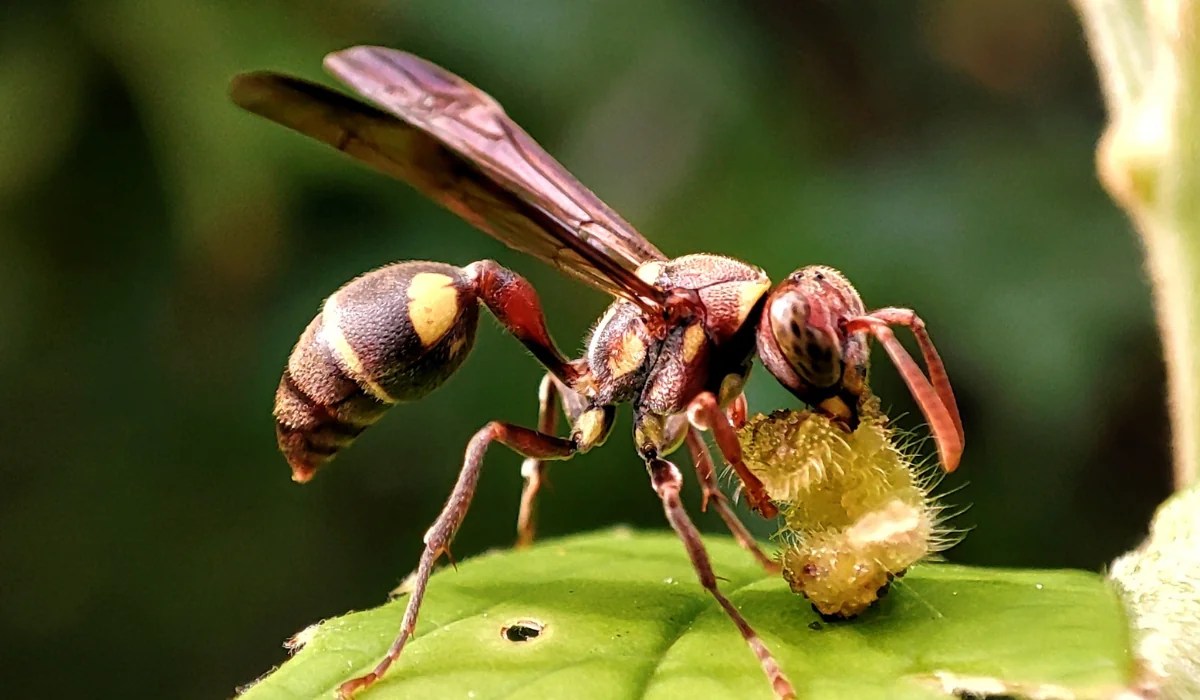
For readers of this site, the instinct is usually to observe wildlife rather than remove it. Paper wasps are, after all, pollinators and natural pest controllers, preying on caterpillars and other garden insects while quietly contributing to backyard ecosystems most of us never fully appreciate. But when a nest builds under the eaves of a family home rather than out in a nature reserve, the calculus changes, and homeowners who care about biodiversity still need practical, honest information about risk, cost, and timing before deciding what to do.
That tension between appreciation and caution is exactly where this article lives. Paper wasps are not aggressive by nature, and most nests near homes can be left alone or relocated with minimal drama. But understanding when a nest crosses from “fascinating backyard resident” to “genuine household hazard” requires some clear-eyed facts about biology, season, and the financial realities of professional intervention versus doing it yourself.
In Florida specifically, paper wasps are active from March through October, with colonies reaching peak size and peak defensiveness in late summer. A detailed look at are paper wasps dangerous Florida breaks down how the state’s long warm season allows nests to grow larger and persist longer than in cooler climates, which matters enormously when weighing whether a nest near a doorway or play area warrants professional attention or can simply be monitored from a respectful distance.
Why Paper Wasps Matter in Florida: Danger Assessment & When to Act
A single paper wasp nest can hold roughly 200 adult workers by late summer, a population size that changes the risk calculus considerably compared to the small, six-wasp starter nests seen in spring. Most people who get stung experience nothing worse than localized pain and swelling that fades within a day or two. However, an estimated 5 to 8 percent of the population may experience a severe allergic reaction, including anaphylaxis, which turns a routine yard encounter into a medical emergency. That statistic alone is why nest location matters so much: a colony tucked in a far corner of a shed poses a different level of risk than one built directly above a front door or near a window that children open daily.
Florida’s extended nesting season, stretching from early spring through October, also means homeowners have a longer window during which small nests can quietly grow into large, well-established colonies before anyone notices. Late summer brings peak aggression as workers defend larger populations and dwindling food resources, so a nest that seemed harmless in June can become genuinely dangerous by August. Recognizing this seasonal arc helps homeowners decide whether early, low-cost intervention makes more sense than waiting until the colony is large, defensive, and expensive to remove.
The True Cost Breakdown: Professional Removal vs. DIY & Prevention
Cost is often the deciding factor for homeowners weighing whether to call a professional or grab a can of spray and handle it themselves. According to This Old House, professional paper wasp removal costs between $100 and $400 nationally, with an average around $375, depending on nest location, accessibility, and the extent of the infestation. DIY treatments, by contrast, might cost under $20 for a can of aerosol wasp spray, but that figure ignores the real risks involved: multiple stings, incomplete nest removal, and the possibility that an angry, surviving colony rebuilds within days in a slightly different spot.
Prevention, meanwhile, tends to be the most cost-effective option of all. Sealing eaves, screening vents, and removing early-stage nests before they reach golf-ball size can often be done for little or no cost beyond a homeowner’s own time and a ladder. The table below lays out how these figures compare, giving a realistic sense of where money typically goes and why professional service, while pricier upfront, often proves more reliable for larger or hard-to-reach colonies.
| Removal Method / Scenario | Typical Cost Range |
| Professional removal, national average (2026) | $100 to $400 (avg. $375) |
| Accessible eave or porch nest removal | $100 to $250 |
| Wall-void or hard-to-reach nest removal | $300 to $650 |
| DIY aerosol treatment (single attempt) | $10 to $20 |
| Preventive sealing and early nest removal | $0 to $50 |
Where Your Money Goes: Nest Location, Species, and Treatment Method
Nest location is the single biggest driver of cost, and the gap is significant. A nest built on an accessible eave or porch ceiling typically runs $100 to $250 to remove, since a technician can reach it with a ladder and standard equipment without opening any part of the structure. Wall-void nests are a different story entirely, often costing $300 to $650 because removal may require accessing the interior wall cavity, treating it thoroughly, and sometimes patching drywall or siding afterward. Species and colony size also factor in, since a mature nest with 200 or more workers demands more careful handling, protective equipment, and time than a small spring colony still in its early stages.
Making the Smart Choice: When Professional Removal Pays Off
For wildlife-conscious homeowners, the goal is rarely to eliminate every wasp on the property, since these insects genuinely contribute to pest control and pollination in the surrounding landscape. The smarter goal is recognizing which nests pose a real, elevated risk, typically those near entryways, in wall voids, or large enough to house hundreds of workers, and addressing only those through professional means. Small, out-of-the-way nests in spring can often be left to do their ecological work undisturbed, saving money while supporting the broader insect populations this audience already values.
Ultimately, the decision comes down to balancing respect for a beneficial species against legitimate safety concerns for people in the household, particularly anyone with a known sting allergy. Spending $100 to $400 on professional removal of a genuinely hazardous nest is a reasonable trade-off against the medical and property risks of ignoring it or mishandling a DIY attempt. Understanding these costs ahead of time allows homeowners to act decisively when action is warranted, while still giving paper wasps the benefit of the doubt everywhere else on the property.

Leave a Reply