
From a country that’s typically in the news for hurting whales comes the story of a mass-stranding event with a happy ending.
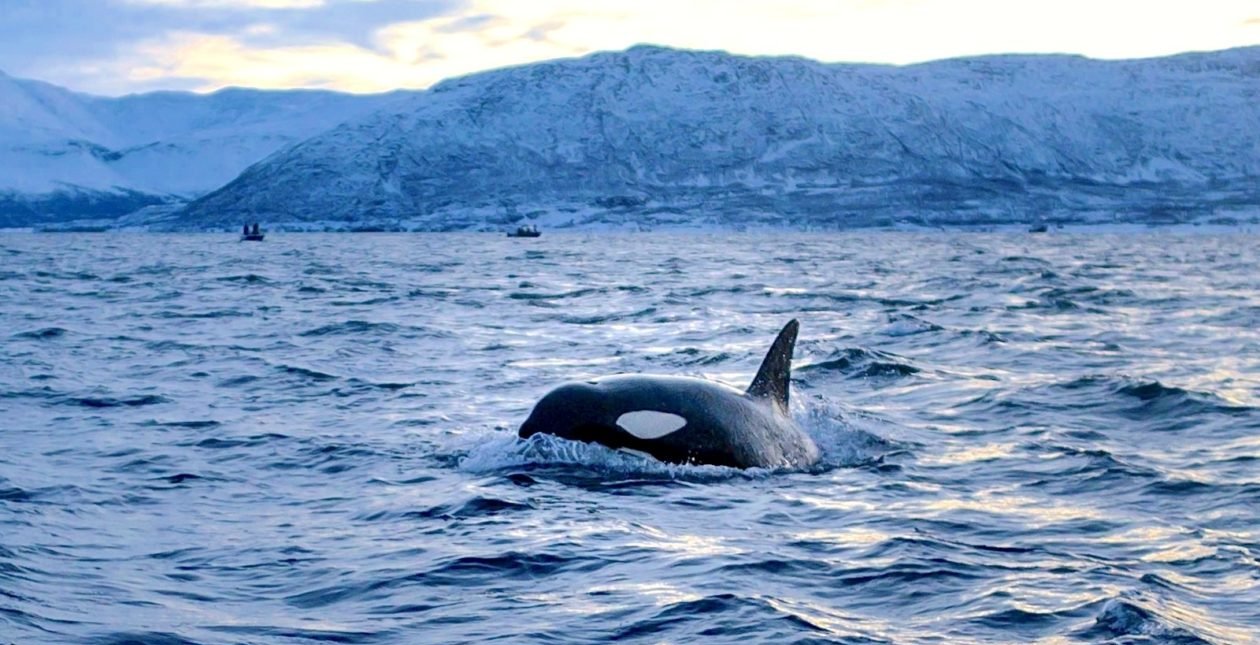
Around 60 pilot whales, known locally as grindhvalur, were found stranded on Ólafsfjörður beach last Sunday.
Locals and emergency crews rushed to the remote area in a desperate effort to save the mammals, and by approximately 7:00 p.m. local time, rescue teams had successfully moved the whales from the shoreline back into open water.
According to local media, the whales were likely chasing mackerel, fish that have migrated north due to warming seas, when the pod became disoriented and trapped in the shallow waters.
“I couldn’t believe what I was seeing,” said Marc Sánchez, a Catalan who was visiting Ólafsfjörður at the time and working at a local hotel. “It was the first time in my life witnessing whales from so close and even being able to touch them.”
He ran to the beach after getting a call from his friend and filmed the dramatic scene.
“I felt a mix of emotions,” he told Britain’s Southwest News Service, “amazement, sadness and frustration—I wanted to help them, but it was impossible.”
Apparently, the rescue effort contained dozens of villagers who rushed to aid the emergency crews.
“The water was freezing, so I couldn’t stay in for long but I tried my best to assist however I could,” said Sánchez.
One of the last countries to cease whaling, Iceland and whales rarely make headlines together for good reasons. While tourists used to be told, and whalers used to explain, that whale was a traditional part of the Icelandic diet, this isn’t the case, and as protests grew in number and intensity, the whaling ceased by 2023.
This article by Andy Corbley was first published by Good News Network on 26 June 2025. Lead Image: Locals and emergency crews rescue 60 pilot whales that became stranded at Ólafsfjörður beach in northern Iceland (Pix via Marc Sanchez / SWNS).
Wildlife in catastrophic decline
The 73% decline in vertebrate wildlife populations during the last 50 years (mammals, birds, amphibians, reptiles and fish), is primarily driven by human activities that threaten biodiversity.
Habitat Loss and Degradation – human activities like deforestation, urbanization, and agriculture have led to the destruction and fragmentation of natural habitats, reducing the space and resources available for wildlife.
Pollution – air, water, and soil pollution from industrial activities, agriculture, and other sources can harm wildlife directly or indirectly by affecting their habitats and food sources.
Climate Change – changing weather patterns, rising temperatures, and sea levels are disrupting ecosystems and impacting species’ ability to adapt and survive.
Overexploitation of Resources – unsustainable hunting, fishing, and logging practices can lead to the depletion of populations and the loss of biodiversity.
Invasive Species – the introduction of non-native species can disrupt ecosystems, compete with native species, and threaten their survival.
 Donate
Help to protect wildlife by donating as little as $5. Our conservation partners spend at least 80 percent of the money raised on actual fieldwork rather than administration and fundraising.


Leave a Reply