
Somewhere within the more than 19 million acres of pristine wilderness that make up the Arctic National Wildlife Refuge, a caribou calf is following her mother across the tundra. She’s enjoying soft grass under her hooves. She’s munching willow leaves.
She’s not thinking about the United States Senate, or “reconciliation bills,” or the National Environmental Policy Act of 1969.
Caribou aren’t thinking about these things, but—if we care about protecting them and other American wildlife—we need to be. The U.S. Senate is considering legislation filled with major and long-lasting threats to wildlife and the natural world.

To understand what’s going on, we have to get just a little bit in the weeds. A version of this bill has already passed the House of Representatives. The Senate is aiming to vote on it before July 4. This bill can move forward through a process called budget reconciliation, which means it can pass with fewer votes in Congress than other legislation typically requires.
So, why should wildlife supporters be worried about this budget reconciliation bill? Here are three parts of the legislation that would harm America’s wildlife and our natural world:
1. The sell-off or destruction of our public lands
The bill mandates selling two to three million acres of public lands across 11 western states to the highest bidder, without any public process or input from public land users.
Several provisions also propose sacrificing wildlife refuges, national forests, and marine sanctuary areas in the pursuit of expanded energy and resource extraction. The bill would require leasing parts of the Alaskan Arctic, Pacific Northwest forests, and the Gulf Coast—among other beloved natural spaces—to oil, gas, and logging companies.
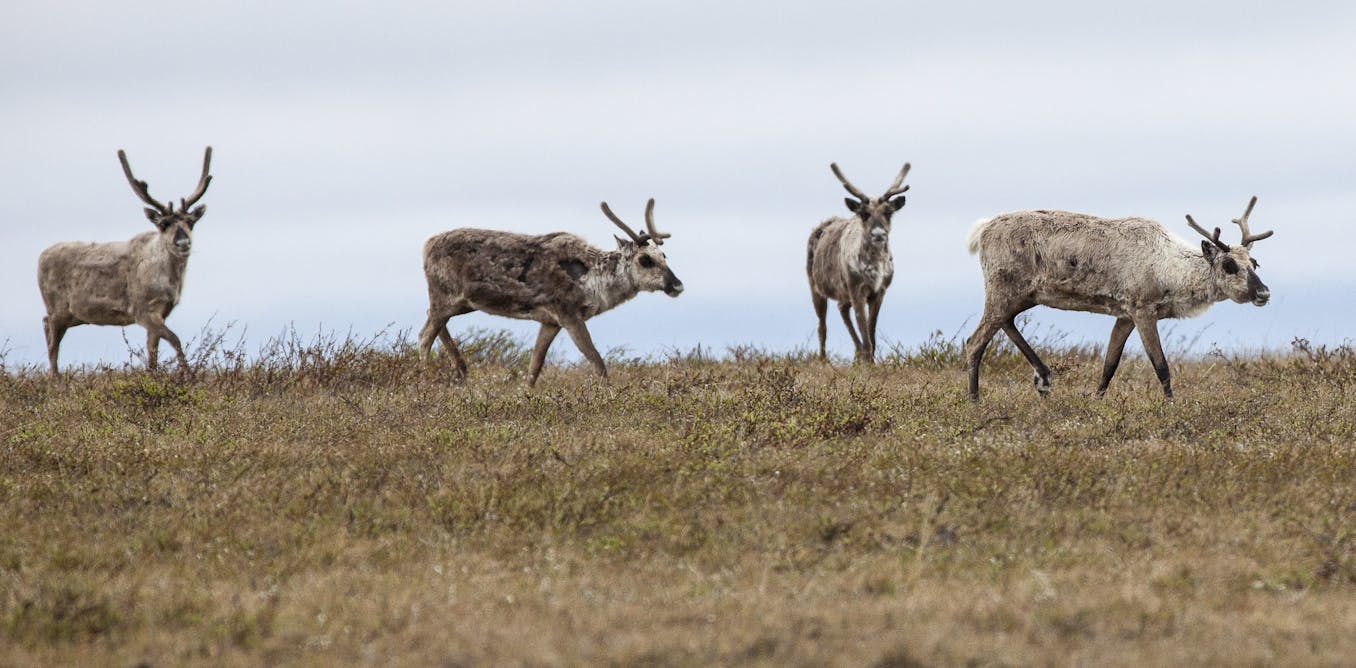
Additionally, the bill would force through projects that were previously denied because they would cause irreversible harm to local ecosystems, wildlife, and communities. One such project is a road through Northwest Alaska, which could prevent caribou herds from reaching critical calving grounds.
Finally, the budget bill proposes reducing the royalties oil, gas, and coal companies have to pay to extract resources from public lands. Lower royalties means reducing revenues for states and local communities, while subsidizing extractive industries with the taxes of hard working Americans.
Policies that chip away at public lands are deeply unpopular. Facing public pressure, lawmakers removed the public lands sell-off provision from the House budget reconciliation bill. Unfortunately, the Senate has proposed putting far worse sell-off language back in.
2. “Pay to Play” provision to harm habitat, lands, waters, and air
One provision in the bill allows companies to pay opt-in fees to destroy habitat, pollute the environment, or harm our climate without proper review and public input. It would undermine the National Environmental Policy Act—the landmark law that has helped our country protect and save habitats for countless wildlife species for 50 years.
Under this “pay to play” proposal, companies and developers could pay a fee, covering the cost of conducting an environmental review plus an additional 25%, in exchange for an abbreviated review. It would also guarantee that the review could not be challenged in court—regardless of whether the process was adequate or lawful.
This arrangement essentially removes everyone except companies and government agencies from the decision-making process. It leaves few chances for people and communities to stand up for the wildlife and communities whose air, water, homes, and health are at stake.
3. Relaxing rules and gutting programs that keep us safer and healthier
The reconciliation bill proposes loosening or pausing rules on the release of toxic, climate-harming gasses and chemicals into our air, lands, and waters. It also takes back funding meant for programs that protect communities and wildlife from pollution.
The funding cuts target efforts to address air pollution in schools, hold companies accountable for emissions, and tackle environmental injustice—among many other programs. Incentives for clean energy production would be slashed, increasing our reliance on the dirtiest and most costly sources of energy and killing up to 830,000 jobs by 2030. The bill even claws back money dedicated to improving the efficiency, accuracy, and speed of environmental reviews, while at the same time creating expedited, untouchable review options for companies that can pay.
If the Senate passes the reconciliation bill as-is, the public is at risk of losing millions of acres of beloved natural lands. Oil, gas, mining, and development companies would get to sail through environmental reviews by paying a fee. And many safeguards meant to maintain a stable climate and protect clean air, water, and soil would crumble.
For already-dwindling caribou herds in Alaska’s Arctic National Wildlife Refuge, this legislation could mean a faster-melting tundra, a dangerously fragmented migration route, and crucial habitat replaced by oil wells.
A caribou calf in Alaska—along with wildlife all across the country—is counting on us to speak up about this botched budget. The time to act is now: take a look at this action alert from our friends at the National Wildlife Federation Action Fund that calls on the Senate to revise the budget reconciliation bill so it does not harm wildlife and the habitats they depend on.
This article by Kayla Benjamin was first published by The NWF Blog on 18 June 2025. Lead Image: Proposals for new oil and gas leases in Alaska’s wilderness threaten caribou herds with habitat loss and the disruption of key migration routes. Credit: Kyle Joly/NPS.
Wildlife in catastrophic decline
The 73% decline in vertebrate wildlife populations during the last 50 years (mammals, birds, amphibians, reptiles and fish), is primarily driven by human activities that threaten biodiversity.
Habitat Loss and Degradation – human activities like deforestation, urbanization, and agriculture have led to the destruction and fragmentation of natural habitats, reducing the space and resources available for wildlife.
Pollution – air, water, and soil pollution from industrial activities, agriculture, and other sources can harm wildlife directly or indirectly by affecting their habitats and food sources.
Climate Change – changing weather patterns, rising temperatures, and sea levels are disrupting ecosystems and impacting species’ ability to adapt and survive.
Overexploitation of Resources – unsustainable hunting, fishing, and logging practices can lead to the depletion of populations and the loss of biodiversity.
Invasive Species – the introduction of non-native species can disrupt ecosystems, compete with native species, and threaten their survival.
Help to protect wildlife by donating as little as $5. Our conservation partners spend at least 80 percent of the money raised on actual fieldwork rather than administration and fundraising.


Leave a Reply