
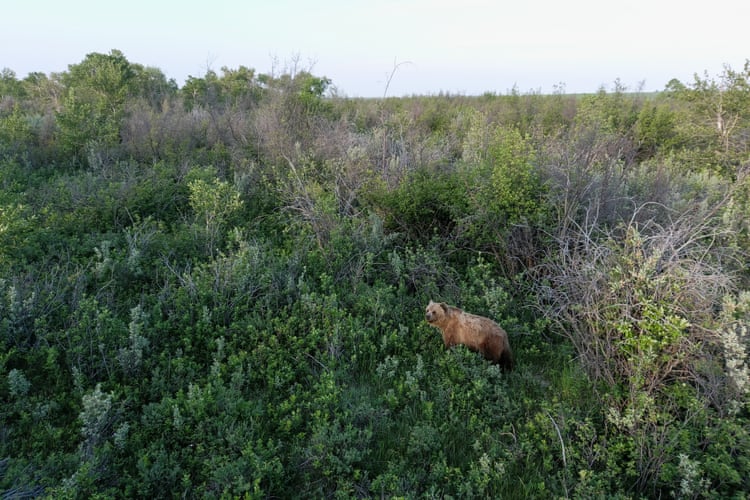
A 4-year-old female bear started aggressively searching for food in a Montana national park, so it was killed, rangers said.
The bear was euthanized June 5 in West Glacier in Glacier National Park, the National Park Service said in a news release obtained by McClatchy News.
“The bear consistently attempted to enter vehicles and buildings on private property inside the park,” park officials said in the release.
It successfully got into one building and one vehicle, officials said.
The same bear was captured in 2022 in Kalispell by wildlife officers and relocated to Puzzle Creek, officials said.
But it didn’t show signs of being food-conditioned until this June, so it was killed, officials said.
Park officials said another bear and her cub got a “food reward from an unattended backpack” June 7 in the park.
The Going-to-the Sun Road, which is used by hikers and bikers, was then closed off.
“Wildlife rangers are attempting to discourage the bears bad behavior. If unsuccessful, the bears may have to be relocated or euthanized per the parks Bear Management Guidelines,” officials said.
Park officials said a bear can become food-conditioned when it gets a “human food reward,” which include food, trash, livestock feed and pet food.
It can then become more aggressive and bold as it tries to find a human food source. It will need to be killed as hazing the animal will no longer work, park officials said.
Glacier National Park visitors can do their part in stopping bears from becoming food-conditioned and comfortable around people, officials said, by:
- Always keeping your bag or backpack with you and away from bears
- Never stopping near bear along a road
- Staying 100 yards away from bears at all times
The national park is in northwestern Montana.
This article by Helena Wegner was first published by The Sacramento Bee on 11 June 2025. Lead Image: Park officials have tips on how to keep bears from becoming food-conditioned. Photo from John Thomas via Unsplash.
Wildlife in catastrophic decline
The 73% decline in vertebrate wildlife populations during the last 50 years (mammals, birds, amphibians, reptiles and fish), is primarily driven by human activities that threaten biodiversity.
Habitat Loss and Degradation – human activities like deforestation, urbanization, and agriculture have led to the destruction and fragmentation of natural habitats, reducing the space and resources available for wildlife.
Pollution – air, water, and soil pollution from industrial activities, agriculture, and other sources can harm wildlife directly or indirectly by affecting their habitats and food sources.
Climate Change – changing weather patterns, rising temperatures, and sea levels are disrupting ecosystems and impacting species’ ability to adapt and survive.
Overexploitation of Resources – unsustainable hunting, fishing, and logging practices can lead to the depletion of populations and the loss of biodiversity.
Invasive Species – the introduction of non-native species can disrupt ecosystems, compete with native species, and threaten their survival.
 Donate
Help to protect wildlife by donating as little as $5. Our conservation partners spend at least 80 percent of the money raised on actual fieldwork rather than administration and fundraising.



Leave a Reply