
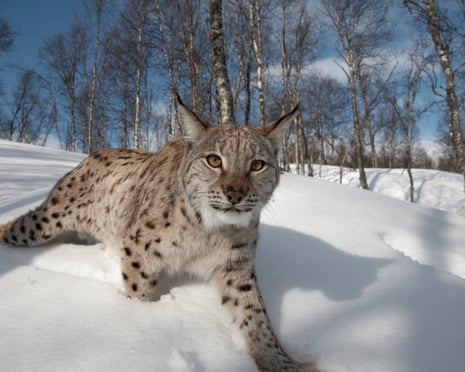
A conservation nonprofit in Chile has delighted South American ecologists with the daytime camera trap footage of a Pampas cat, an extremely rare, non-endangered, and little-understood small wildcat species.
Named after the characteristic South American environment they thrive in, the “Colocolo,” to use the local name, looks like a small lynx, or large house cat.
Captured by the Colocolo Project, the footage is the second sighting of the cat made by the group this year. According to the project, the Pampas cat is the third-largest in Chile, behind the puma and the Andean mountain cat.
The high-altitude resident is rather special among wildcats because it has six different pelages, or fur patterns, some of which are very different. This can often cause confusion during sightings with Andean mountain cats as to which one is which.
GNN has often reported on progress made by organizations towards the conservation of small wildcat species, since despite outnumbering large wildcat species at a ratio of nearly 3 to 1, very little is known about them, and very little money is spent on protecting them.
Panthera, the world’s most prestigious cat-focused conservation organization, has a fund and division specifically for protecting small wildcats. Even now, more than 4 years after its creation, it mostly embarks on research projects.
The reason is that animals like the Pampas cat are poorly understood, and even small sightings like that above can help inform large and expensive conservation work. Typically, similar strategies for protecting tigers and lions can be used to protect small elusive cats, but whereas larger cats are more likely to be killed in revenge for livestock poaching, smaller cats are more likely to be at risk for road deaths.
Protecting carnivores has been shown to be one of the most effective ways of keeping ecosystems intact. They tend to require larger areas than herbivores, as well as dense, resilient populations of their prey species. By guaranteeing these things, an “umbrella conservation” effect occurs whereby thousands of unprioritized species of plants, fungi, insects, reptiles, and birds receive protections without a dollar being spent on them specifically.
This article by Andy Corbley was first published by Good News Network on 8 April 2025. Lead Image: credit – Colocolo Project, via Instagram.
What you can do
Wildlife continues to face threats, which include hunting, poaching, illegal trade in animal products, habitat loss as well as a rapidly changing climate.
Become a Wildlife Champion by supporting our conservation partners with a monthly donation as little as $1.
 Donate


Leave a Reply