
It was a scene out of a nightmare: a lion leaping over a concrete wall, lunging at a mother and her two young children in the streets of Lahore, Pakistan.
Thankfully, although the children were hospitalized and the mother was left bruised and traumatized, authorities say they will make a full recovery.
The lion that attacked the family was being kept illegally in a private home in the city without a license, proper cage, or any respect for the law.
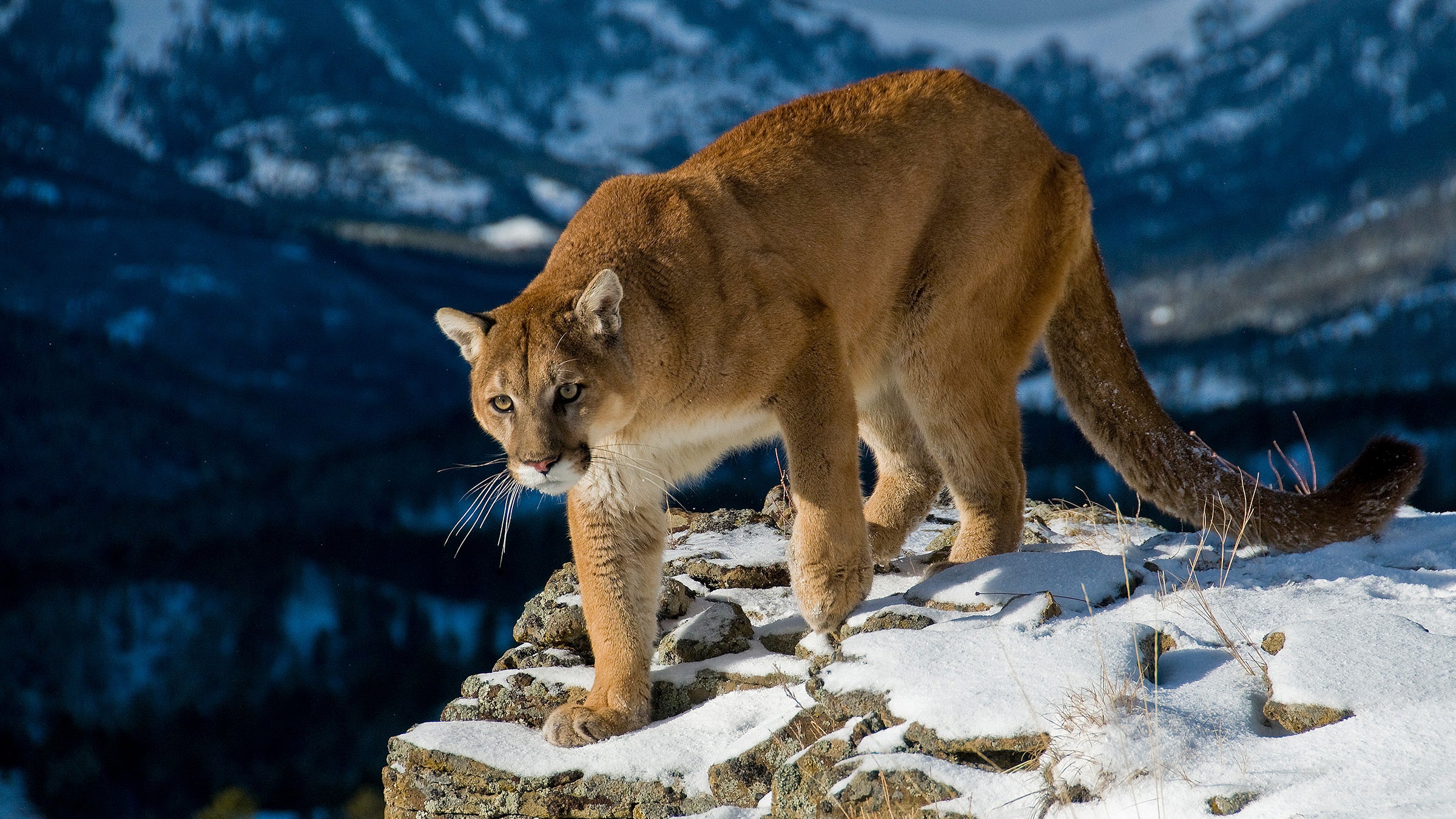
In Pakistan, it’s legal to keep big cats – lions, tigers, cheetahs – as pets. Owners simply have to pay a one-time fee and register the animal, often flaunting them on social media as status symbols. But these are not pets. They are wild animals. Powerful, unpredictable, and incredibly dangerous.
Sign the petition to demand the Punjab Wildlife and Parks Department officially ban all private ownership of big cats.
Since the horrifying incident, officials have begun to crack down on illegal ownership of big cats, seizing 18 more lions and raiding nearly 40 breeding farms. But it shouldn’t take an attack on children to prompt action. And even when kept legally, no lion should be locked in a cage just to boost someone’s social status.
No family should have to live in fear of wild animals roaming their neighborhoods. This is about more than one attack – it’s about ending a cruel and reckless practice that endangers both people and animals. The world is watching. Let’s make sure it never happens again.
Sign the petition to demand that the Punjab Wildlife and Parks Department ban all private ownership of big cats, shut down the breeding farms, and relocate every captive lion, tiger, and cheetah to proper sanctuaries.

This article by Nicholas Vincent was first published by One Green Planet on 11 July 2025. Lead Image Credit :Bratislav Kostic/Shutterstock.
Wildlife in catastrophic decline
The 73% decline in vertebrate wildlife populations during the last 50 years (mammals, birds, amphibians, reptiles and fish), is primarily driven by human activities that threaten biodiversity.
Habitat Loss and Degradation – human activities like deforestation, urbanization, and agriculture have led to the destruction and fragmentation of natural habitats, reducing the space and resources available for wildlife.
Pollution – air, water, and soil pollution from industrial activities, agriculture, and other sources can harm wildlife directly or indirectly by affecting their habitats and food sources.
Climate Change – changing weather patterns, rising temperatures, and sea levels are disrupting ecosystems and impacting species’ ability to adapt and survive.
Overexploitation of Resources – unsustainable hunting, fishing, and logging practices can lead to the depletion of populations and the loss of biodiversity.
Invasive Species – the introduction of non-native species can disrupt ecosystems, compete with native species, and threaten their survival.
Help to protect wildlife by donating as little as $5. Our conservation partners spend at least 80 percent of the money raised on actual fieldwork rather than administration and fundraising.



Leave a Reply