
Wildlife officials in Florida have confirmed a second case of the fatal “zombie deer disease,” officially known as chronic wasting disease (CWD), raising fresh concern among scientists and conservationists about its spread across North America.
According to Mother Jones, the infection was detected in a young white-tailed doe in Holmes County—just a mile from where the first Florida case appeared last year.
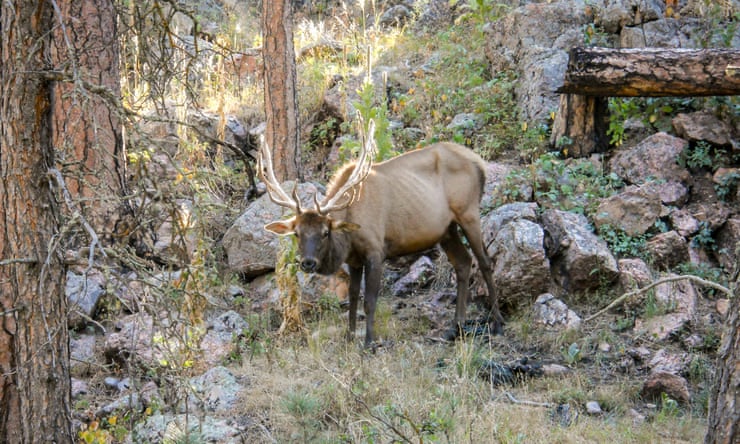
CWD is a highly contagious, degenerative brain disease that affects deer, elk, and moose, causing dramatic weight loss, confusion, drooling, and eventual death.
Though there’s currently no evidence that it harms humans, experts say it poses a serious ecological threat. The disease can linger in soil and water for years, transmitted not only through animal contact but also via contaminated environments and ticks.
Wildlife biologist Steven Shea warned that CWD could become “the greatest threat to deer and deer hunting in North America.” Attempts to eliminate outbreaks elsewhere have failed, leading Florida’s wildlife agency to impose strict monitoring, testing, and hunting restrictions in affected areas.
The state’s deer population—estimated at 700,000—plays a crucial role in maintaining balance across Florida’s ecosystems, and any disruption could ripple through food webs, vegetation, and road safety.
The crisis also highlights how human activities, including overhunting and habitat fragmentation, can make animals more vulnerable to disease. As CWD continues to spread, it’s a reminder that protecting wildlife health is inseparable from protecting the environment itself.
Supporting measures that reduce wildlife stress—such as restoring habitats, ending trophy hunting, and promoting plant-based diets that lessen agricultural land pressure—can help prevent future outbreaks. Our shared planet depends on a healthier relationship between humans and the wild.
Let’s stay informed, rethink how we treat animals, and stand up for policies that put wildlife and environmental health first.
This article by Nicholas Vincent was first published by One Green Planet on 24 October 2025. Lead Image Credit: Mia2299/Shutterstock.
What you can do
Help to protect wildlife by donating as little as $5 – it only takes a minute!
 Donate
Our conservation partners spend at least 90 percent of the money raised on actual fieldwork rather than administration and fundraising.



Leave a Reply