
In Rio de Janeiro’s largest urban park, the tumult of the city can subside to the faintest murmur among the thick Atlantic Forest ecosystem remnant.
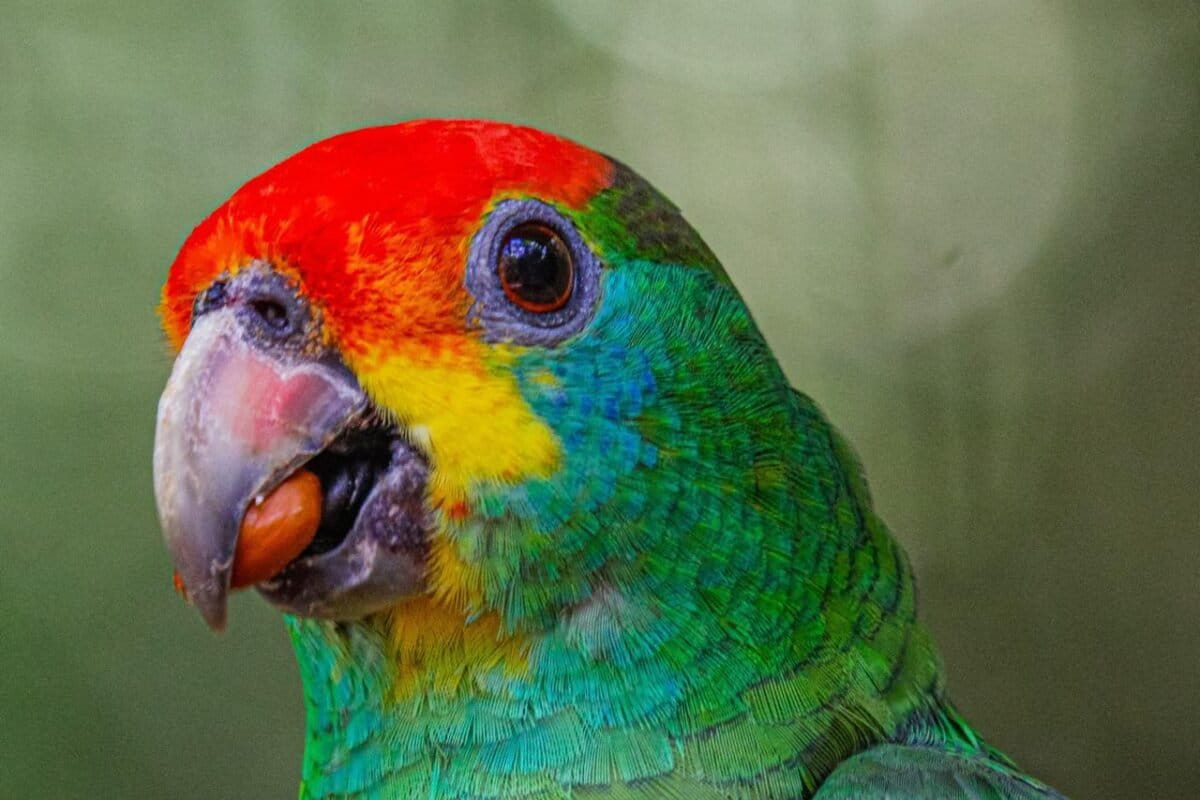
It’s here that ecologists have reintroduced the blue-and-yellow macaw through a captive breeding program. It’s a delight—a “dream come true” for residents of a city where the colorful macaw is used everywhere in logos, clothing, and souvenirs, but which hasn’t dwelt in the forested mountains by the famous city in 200 years.
Several conservation organizations have been prioritizing the return of animals poached from Tijuca, the 10,000-acre park mentioned earlier, or driven off by deforestation in the 19th century. These include howler monkeys, the red-rumped agouti, and the yellow-footed tortoise.
All these animals have brought excited visitors to the park’s trails, but none have enraptured the cariocos, (people from Rio) more than the macaw, four of which have been set free into the trees.
“They are so magnificent. It’s no surprise that all the visitors are constantly asking how they can see them,” Viviane Lasmar, director of Tijuca national park, told the Guardian. “For me, as the head of the park, it’s special. But even more so as a carioca. It’s a dream come true.”
The organization handling the release is called Refauna, and having released the birds for a period of 15 days earlier this year, they’ve rounded them back into the aviary with plans for a possible permanent departure in September when food is plentiful.
This is done for two reasons. The first is that these macaws were rescued from captivity, and so lack the powerful flight muscles they need to travel some 6 miles a day searching for food. The second is due to the need to acclimatize the birds to the sights, sounds, smells, and tastes of their new home.
The macaw’s sharp beak should allow it to break open nuts and fruits to help trees better disperse their seed, something virtually all trees in the park rely on to reproduce.
“The macaw really is a symbol of our efforts to bring life back to Tijuca,” Marcelo Rheingantz, the executive director of Refauna also told the Guardian. “My dream is that one day they will fly far away from here and we will be able to see them from all over the city.”
This article by Andy Corbley was first published by Good News Network on 15 April 2026. Lead Image: A blue and yellow macaw in Jurong National Park, credit – Luc Viatour, CC 2.0.
Help to protect wildlife
Protect wildlife by making a monthly donation as little as $5.
It only takes a minute!




Leave a Reply