
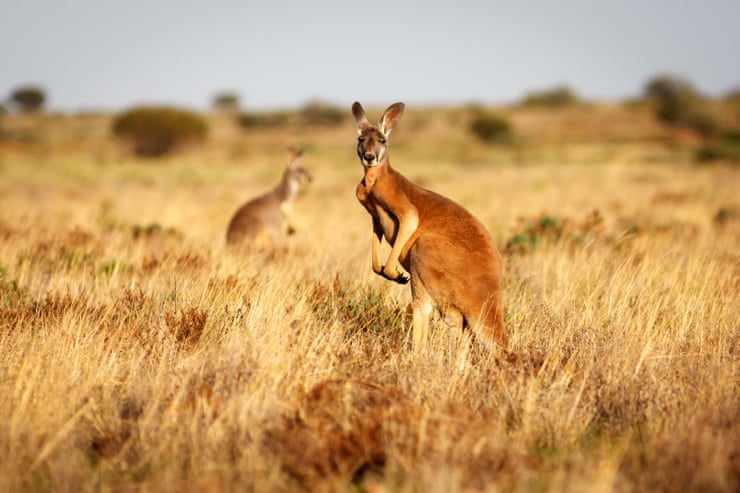
Adidas has officially stopped sourcing kangaroo leather for its athletic shoes, marking a massive win for animals and advocates worldwide. According to a report from the Center for a Humane Economy, the company’s CEO Bjørn Gulden announced the decision during its Annual General Meeting in Fürth, Germany.
The news followed a direct plea from Wayne Pacelle, president of the Center, who urged adidas to cut ties with the kangaroo skin trade—a brutal industry that kills over a million kangaroos every year.
This move by adidas makes it the final major athletic brand—joining Nike, Puma, Diadora, New Balance, and Sokito—to walk away from the industry, following years of protests, investigations, and international pressure under the “Kangaroos Are Not Shoes” campaign.
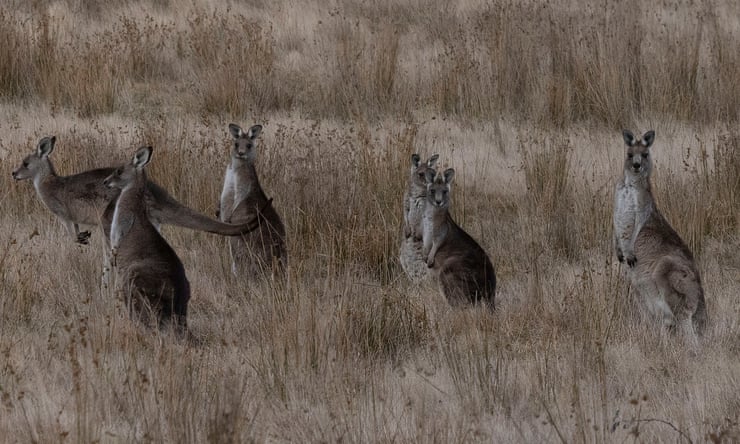
These nighttime hunts often leave joeys orphaned or beaten, and are widely condemned for their cruelty and secrecy.
Advocates like Milla Widmer, Vanessa Hagler, Donny Moss of TheirTurn, and Australian MP Emma Hurst have worked tirelessly to expose the reality behind the industry.
Thanks to this coalition’s efforts, the kangaroo kill has already dropped from 2 million to 1.3 million annually. With adidas stepping away, the pressure now shifts to Japanese brands like ASICS and Mizuno.
As Jennifer Skiff of the Center put it, “Compassion is not a compromise. Cruelty has no place in commerce.”
Let’s make sure other companies get the message. If you care about wildlife and ethical business, now is the time to speak out.
Support brands that protect animals, say no to wildlife exploitation, and demand laws that reflect kindness—not commerce. Because the world doesn’t need another pair of shoes made from suffering.
This article by Nicholas Vincent was first published by One Green Planet on 22 May 2025. Lead Image: Image Credit :Matthew James Ferguson/Shutterstock.
Wildlife in catastrophic decline
The 73% decline in vertebrate wildlife populations during the last 50 years (mammals, birds, amphibians, reptiles and fish), is primarily driven by human activities that threaten biodiversity.
Habitat Loss and Degradation – human activities like deforestation, urbanization, and agriculture have led to the destruction and fragmentation of natural habitats, reducing the space and resources available for wildlife.
Pollution – air, water, and soil pollution from industrial activities, agriculture, and other sources can harm wildlife directly or indirectly by affecting their habitats and food sources.
Climate Change – changing weather patterns, rising temperatures, and sea levels are disrupting ecosystems and impacting species’ ability to adapt and survive.
Overexploitation of Resources – unsustainable hunting, fishing, and logging practices can lead to the depletion of populations and the loss of biodiversity.
Invasive Species – the introduction of non-native species can disrupt ecosystems, compete with native species, and threaten their survival.
 Donate
Help to protect wildlife by donating as little as $5. Our conservation partners spend at least 80 percent of the money raised on actual fieldwork rather than administration and fundraising.




Leave a Reply