
According to The Guardian’s Gloria Dickie, the deadly impacts of extreme heat on animals are no longer rare events—they’re becoming terrifyingly common.
Last year in Mexico’s Tabasco state, residents witnessed howler monkeys dropping from trees as temperatures hit 110°F (43°C).
At least 83 were confirmed dead, with hundreds more likely perished from dehydration and heat stress. Those that survived needed IV drips and emergency care to stay alive.
This isn’t an isolated tragedy. Across the world, animals are struggling to cope with soaring temperatures.
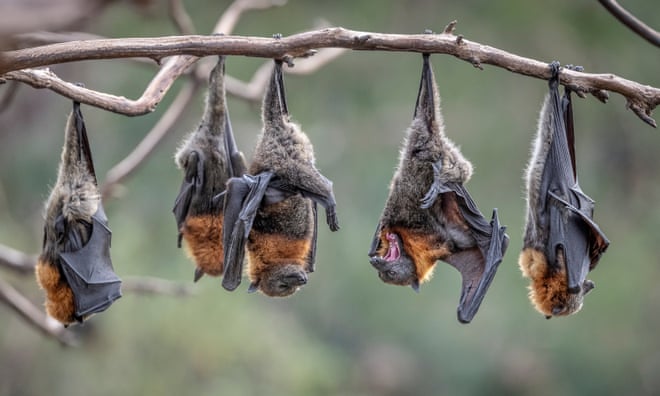
Flying foxes in Australia have tumbled from the sky in their thousands, while in Canada, a single heatwave baked an estimated 10 billion barnacles and 3 billion mussels along the coast.
Scientists warn that these sudden die-offs are pushing many species closer to extinction, even in pristine habitats far from human activity.
Research shows that tropical wildlife is particularly vulnerable. A study published in Nature Ecology & Evolution found that tropical bird populations have declined by up to 38% over the last 70 years due to extreme heat.
Birds and mammals in these regions live near their maximum heat tolerance, leaving them with no buffer as Climate change drives hotter, longer, and more frequent heatwaves.
The crisis is not limited to large animals. Insects, crucial for pollination and food chains, also collapse under extreme heat, disrupting entire ecosystems.
Small mammals like African rodents have been found to suffer fertility crashes when exposed to simulated heatwaves, threatening long-term survival.
Climate breakdown is no longer just about shifting weather—it’s about survival itself. From primates to barnacles, the natural world is sounding the alarm.
To protect wildlife, we must rapidly phase out fossil fuels, Support reforestation, and embrace plant-based diets that reduce the strain industrial agriculture places on ecosystems.
Every choice matters. If animals are literally falling from trees to escape the heat, we cannot afford to look away.
This article by Nicholas Vincent was first published by One Green Planet on 29 August 2025. Lead Image Credit: Nature’s Charm/Shutterstock.
Help to protect wildlife
Help to protect wildlife by donating as little as $5 – it only takes a minute!
 Donate
Our conservation partners spend at least 90 percent of the money raised on actual fieldwork rather than administration and fundraising.



Leave a Reply