
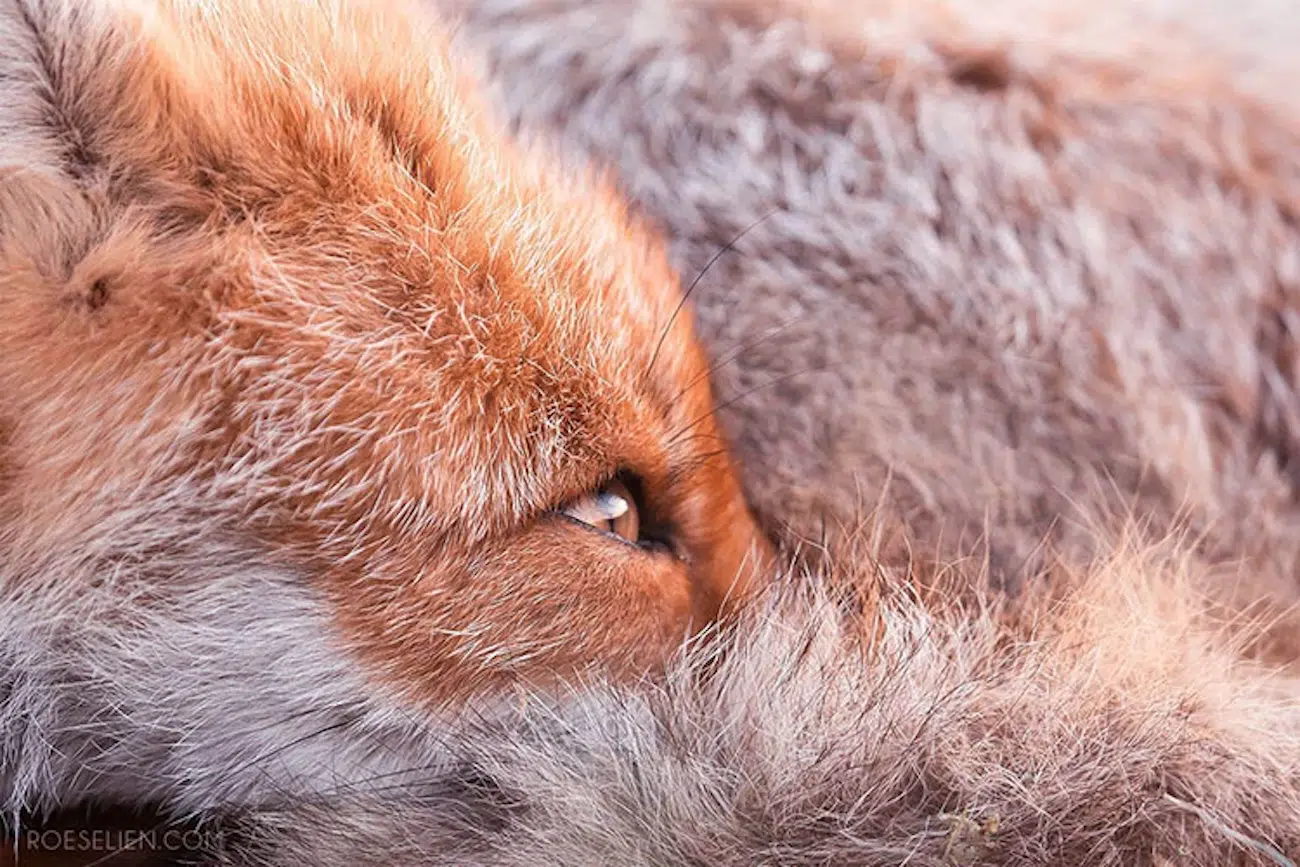
Eight people illegally killed 11 white-tailed deer and one gray fox using spotlights in nighttime poaching incidents across Cambria County between 2023 and 2024, reported the Pennsylvania Game Commission.
What happened?
Wildlife investigators discovered the poaching ring during a routine license check while one defendant was fishing in Indiana County. When questioned about firearms and ammunition in his vehicle, the individual admitted to killing deer with artificial lights after dark.
The investigation revealed that all eight defendants violated multiple hunting laws. They failed to properly tag their kills, shot bucks that didn’t meet antler size requirements, used out-of-state hunting tags, and exceeded seasonal limits on deer harvesting.
The Pennsylvania Game Commission charged the group with 35 violations total. They face over $35,000 in combined fines and have lost their hunting licenses for a combined 70 years. All eight defendants pleaded guilty to unlawful taking of game and wildlife during closed seasons.
Why is this poaching concerning?
Illegal hunting threatens wildlife populations that communities depend on for healthy ecosystems. When poachers kill animals outside regulated seasons and exceed legal limits, they disrupt carefully managed conservation efforts designed to maintain stable animal populations.
White-tailed deer play an important role in forest health. They control vegetation growth and serve as prey for predators like mountain lions and wolves. Gray foxes help control rodent populations that can damage crops and spread disease.
Poaching also undermines legal hunters who follow regulations and purchase licenses that fund conservation programs. These programs protect habitats that benefit entire communities through cleaner air, water filtration, and recreational opportunities.
What’s being done about poaching?
The Pennsylvania Game Commission actively investigates wildlife crimes through routine checks and follows up on tips from the public. When caught, poachers face hefty financial penalties and lose hunting privileges for years.
If you witness suspected poaching, report it immediately to your state wildlife agency’s enforcement hotline. Many states offer reward programs for information leading to successful prosecutions.
You can support wildlife conservation by purchasing hunting or fishing licenses even if you don’t hunt, as these fees fund habitat protection and wildlife management programs. Volunteer with local conservation groups that monitor wildlife populations, and educate your loved ones about the importance of following hunting regulations.
This article by Leslie Sattler was first published by TCD on 2 July 2025. Lead Photo Credit: Facebook.
Wildlife in catastrophic decline
The 73% decline in vertebrate wildlife populations during the last 50 years (mammals, birds, amphibians, reptiles and fish), is primarily driven by human activities that threaten biodiversity.
Habitat Loss and Degradation – human activities like deforestation, urbanization, and agriculture have led to the destruction and fragmentation of natural habitats, reducing the space and resources available for wildlife.
Pollution – air, water, and soil pollution from industrial activities, agriculture, and other sources can harm wildlife directly or indirectly by affecting their habitats and food sources.
Climate Change – changing weather patterns, rising temperatures, and sea levels are disrupting ecosystems and impacting species’ ability to adapt and survive.
Overexploitation of Resources – unsustainable hunting, fishing, and logging practices can lead to the depletion of populations and the loss of biodiversity.
Invasive Species – the introduction of non-native species can disrupt ecosystems, compete with native species, and threaten their survival.
 Donate
Help to protect wildlife by donating as little as $5. Our conservation partners spend at least 80 percent of the money raised on actual fieldwork rather than administration and fundraising.




Leave a Reply