
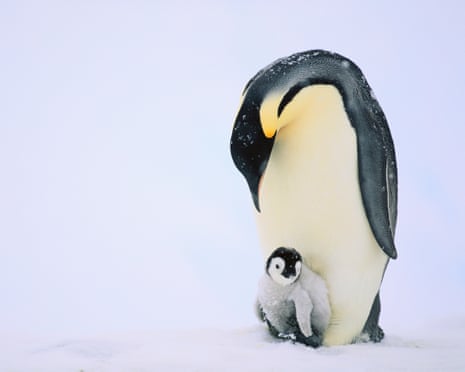
A new satellite analysis has revealed a drastic and deeply troubling decline in emperor penguin populations across a key section of Antarctica. According to Newser, a study of satellite imagery between 2009 and 2024 shows a 22% drop in penguin numbers across 16 colonies spanning the Antarctic Peninsula, Weddell Sea, and Bellingshausen Sea. Scientists point to the rapid loss of sea ice—vital for breeding and feeding—as the primary cause.
Peter Fretwell of the British Antarctic Survey, who co-led the analysis, stressed how essential sea ice is for emperor penguins to survive. They rely on it not just to lay their eggs but to forage for food.
Without it, their lifecycle is being thrown into chaos. And this isn’t just a blip—this region makes up around 30% of the total emperor penguin population, which lives exclusively in Antarctica.
Even worse, the loss of ice could be opening up penguin colonies to more predators like leopard seals and orcas, which can now reach areas they previously couldn’t access until later in the season. Warmer waters and shifting rainfall may also be lowering chick survival rates.
Researchers say the situation may be even grimmer than it appears. Previous estimates suggested only a 10% continent-wide decline over the last 15 years, making this localized 22% drop “absolutely alarming,” according to penguin expert Daniel Zitterbart of Woods Hole Oceanographic Institution.
This is a stark reminder of how the climate crisis is hitting wildlife the hardest. Penguins don’t emit carbon or drill for oil—they’re just trying to survive.
We must do better. Reduce your footprint, go plant-based, and Support Conservation groups working to protect polar habitats.
The emperor penguin needs us now more than ever.
This article by Nicholas Vincent was first published by One Green Planet on 24 June 2025. Lead Image Credit :Robert Harding Video/Shutterstock.
Wildlife in catastrophic decline
The 73% decline in vertebrate wildlife populations during the last 50 years (mammals, birds, amphibians, reptiles and fish), is primarily driven by human activities that threaten biodiversity.
Habitat Loss and Degradation – human activities like deforestation, urbanization, and agriculture have led to the destruction and fragmentation of natural habitats, reducing the space and resources available for wildlife.
Pollution – air, water, and soil pollution from industrial activities, agriculture, and other sources can harm wildlife directly or indirectly by affecting their habitats and food sources.
Climate Change – changing weather patterns, rising temperatures, and sea levels are disrupting ecosystems and impacting species’ ability to adapt and survive.
Overexploitation of Resources – unsustainable hunting, fishing, and logging practices can lead to the depletion of populations and the loss of biodiversity.
Invasive Species – the introduction of non-native species can disrupt ecosystems, compete with native species, and threaten their survival.
 Donate
Help to protect wildlife by donating as little as $5. Our conservation partners spend at least 80 percent of the money raised on actual fieldwork rather than administration and fundraising.





Leave a Reply