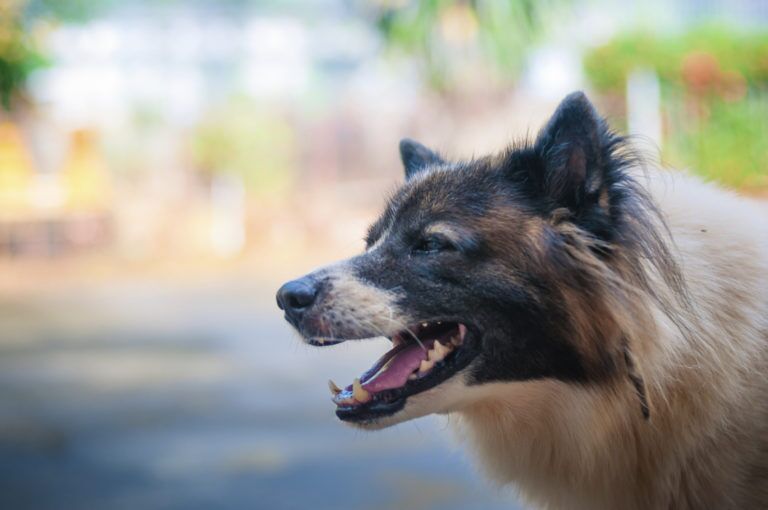
The dream of owning a majestic creature that bridges the gap between the wild and the domestic is a powerful draw for many animal lovers. Texas is known for its wide open spaces and a culture that deeply values individual property rights and personal freedoms.
Prospective owners often assume that anything not explicitly forbidden is permitted under the broad umbrella of state regulations. However, the intersection of public safety and exotic animal ownership creates a complex maze of rules that vary significantly depending on the specific genetics of the animal.
Navigating these statutes is essential before bringing an animal home to ensure that wolf hybrids legal in Texas remains a reality for your specific situation. Every county has the power to set its own standards, making it vital to check local ordinances before committing.
Defining the Biological Reality of the Hybrid
Determining the legal status of an animal begins with a deep look at its ancestry and how the law classifies specific genetic markers. Texas state law generally distinguishes between purebred wolves, which are strictly regulated, and dogs that happen to have wild DNA.
The distinction is often based on the number of generations removed the animal is from its wild ancestors. If an animal is advertised as a hybrid, it immediately falls under a different set of scrutiny than a standard domestic breed like a shepherd.
Vague definitions in the law can lead to confusion when a person is trying to register their animal with the local authorities. Owners must be prepared to provide documentation that proves the lineage of their pet to avoid potential seizure by wildlife officials today.
Navigating the Dangerous Wild Animal Act
The primary mechanism for regulating exotic pets in the state is a piece of legislation that outlines which species are considered inherently dangerous to the public. This act requires owners to obtain specific permits and follow strict containment protocols to prevent an escape.
While the state provides a framework for these permits, it also gives municipalities the authority to ban the ownership of these animals entirely. Many cities have used this power to prevent residents from keeping hybrids within city limits regardless of how well trained.
Failure to comply with these registration requirements can result in heavy fines and the permanent removal of the animal from the home. It is a high-stakes environment where a simple oversight in paperwork can lead to a heartbreaking loss for a local family.
The High Bar for Civil Liability
Owning a hybrid comes with a level of legal responsibility that far exceeds what is expected of a typical dog owner. In many jurisdictions, owners are held to a standard of strict liability, meaning they are responsible for any injuries the animal causes regardless.
This means that if a hybrid bites someone, the owner cannot argue that they had no reason to believe the animal was dangerous. The law assumes that because the animal has wild heritage, it possesses an inherent level of risk that is accepted.
Victims of a hybrid attack have a much easier path to winning a civil judgment because the legal threshold for proving negligence is significantly lower. This creates a massive financial risk for anyone who chooses to keep one of these animals on property.
Managing the Financial and Insurance Risks
Beyond the threat of lawsuits, owners must also contend with the reality that most standard homeowners insurance policies explicitly exclude coverage for certain breeds. When a policyholder brings a hybrid into their home, they may find that their entire liability coverage is voided.
Finding a specialized insurance provider that is willing to cover a wolf-dog is a difficult and expensive process that adds to the overall cost of ownership. Without this protection, a single incident can lead to personal bankruptcy if the owner pays medical bills.
Many people ignore this aspect of ownership until it is too late and an accident has already occurred. Being proactive about securing the right kind of financial protection is the only way to enjoy the companionship of a hybrid without risking your future.
Conclusion
Choosing to share your life with an animal that carries the spirit of the wild is a significant commitment that requires more than just a love for nature. Prospective owners must weigh the joy against the administrative hurdles and financial burdens involved.
Securing the necessary permits is just the first step in a long journey of responsible ownership. The social and legal costs of a mistake are simply too high to approach this decision without a thorough plan for containment and a liability management strategy.
Taking the time to research your specific county and speak with legal experts will ensure that you are making a sustainable choice. Respecting the balance between the wild and the suburban is the key to a successful relationship with these fascinating creatures.

Leave a Reply