
An 89-year-old man has been killed in a fatal bear attack in Florida, USA. Authorities have announced the death of Robert Markel, who was killed along with his dog in the first fatal bear attack in Florida’s history.
The attack occurred at Markel’s home near Jerome, a community near the larger city of Naples in Collier County. Officials reported that Markel’s daughter rang emergency services after seeing a bear attack her father’s dog. The authorities later found Markel’s body, and reported that the dog and Markel were killed at different times on the property.
“When there’s a loss of life, we’re all affected by this, we’re very sorry that this occurred,” Florida Fish and Wildlife Conservation Commission spokesperson Tyson Matthews said at a news conference, reports USA Today.
Since the attack took place, the wildlife commission has installed traps in the area and installed cameras nearby. Three bears have also been killed and their DNA sent for testing at the University of Florida, to confirm which, if any, of these bears killed Markel. The wildlife commission expects that the bear species responsible was a black bear, though investigations are still ongoing.
While this is the first fatal attack, a bear mauling occurred earlier this year in Florida.
The wildlife commission reports that Florida is home to around 4,000 black bears, a number much improved from the several hundred that lived in the state in the 1970s. The Fish and Wildlife Commission even calls it one of the most successful conservation efforts in Florida. However, the commission is now considering whether population management methods such as regulated bear hunts should be reinstated to control numbers, as reported sightings of bears in neighbourhoods have increased.
If you do come into contact with a bear, “stand your ground,” Mike Orlando, the bear management program coordinator for the commission, told The New York Times. “Make yourself look large. Talk to the bear in a calm fashion. Do not run. Do not play dead.”
“Even if a bear is touching you,” he said, “you need to fight back.”
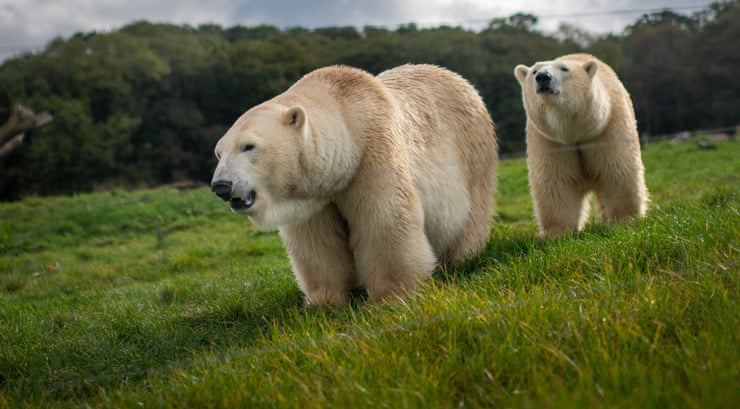
This article by Maddy Chapman was first published by IFL Science. Lead Image: The authorities strongly believe a black bear was the cause of the attack. Image Credit: Libor Fousek/Shutterstock.
Wildlife in catastrophic decline
The 73% decline in vertebrate wildlife populations during the last 50 years (mammals, birds, amphibians, reptiles and fish), is primarily driven by human activities that threaten biodiversity.
Habitat Loss and Degradation – human activities like deforestation, urbanization, and agriculture have led to the destruction and fragmentation of natural habitats, reducing the space and resources available for wildlife.
Pollution – air, water, and soil pollution from industrial activities, agriculture, and other sources can harm wildlife directly or indirectly by affecting their habitats and food sources.
Climate Change – changing weather patterns, rising temperatures, and sea levels are disrupting ecosystems and impacting species’ ability to adapt and survive.
Overexploitation of Resources – unsustainable hunting, fishing, and logging practices can lead to the depletion of populations and the loss of biodiversity.
Invasive Species – the introduction of non-native species can disrupt ecosystems, compete with native species, and threaten their survival.
 Donate
Help to protect wildlife by donating as little as $5. Our conservation partners spend at least 80 percent of the money raised on actual fieldwork rather than administration and fundraising.


Leave a Reply