
Amid a wave of opposition, Florida wildlife officials will meet Wednesday to consider whether to hold a black bear hunt for the first time in nearly 10 years.
Why it matters: The Florida Fish and Wildlife Commission, which is proposing an annual bear hunt, says the state’s bear population is “large and healthy enough” for a hunt.
- Opponents say the plan is barbaric and unpopular. Anti-hunt protesters gathered in several Florida cities over the weekend ahead of the meeting.
Driving the news: The FWC is proposing an annual hunting season in bear habitats across Florida, with a hunting permit quota to be determined by the executive director. (Hunters would be allowed to kill one bear per permit.)
- The season would run from Oct. 1-Dec. 31 and allow hunters to lure bears toward private feeding stations and, beginning in 2027, use dogs to hunt them.
- The proposal states that a mini season may be opened for 23 days this December before the full season begins in 2026.
What they’re saying: FWC’s Bear Management Coordinator Mike Orlando said at a recent public meeting that the agency wants to “try to manage bear population growth” as bears and humans compete for newly developed areas, USA Today reported.
The other side: Kate MacFall, Florida state director for Humane World for Animals, said in a statement that hounding and baiting bears inflicts “extreme cruelty and chaos in our forests.”
- “A Florida bear hunt has nothing to do with conservation and instead sacrifices Florida’s wildlife and the public trust to appease a tiny fringe group of trophy hunters.”
By the numbers: During FWC’s public outreach effort, 75% of the roughly 13,000 comments the agency received were opposed to the black bear hunt.
- A poll of Florida residents conducted by Humane World for Animals found that 81% of respondents oppose the hunt.
Catch up quick: The FWC considers the black bear a conservation success story: There were over 4,000 bears in the state as of 2015, up from 2,500 in 2002.
- Opponents of the bear hunt say an updated bear count is needed before the FWC decides whether to open a hunt. The agency has said the population figures are conservative and are likely higher.
- Florida banned bear hunting in 1994 but reopened a brief season in 2015 that ended after two days because hunters killed more bears than expected.
The latest: On May 5, a black bear killed an 89-year-old man and his dog in Collier County. The fatal attack is considered to be the first ever recorded in Florida.
What’s next: A final vote is expected in August.
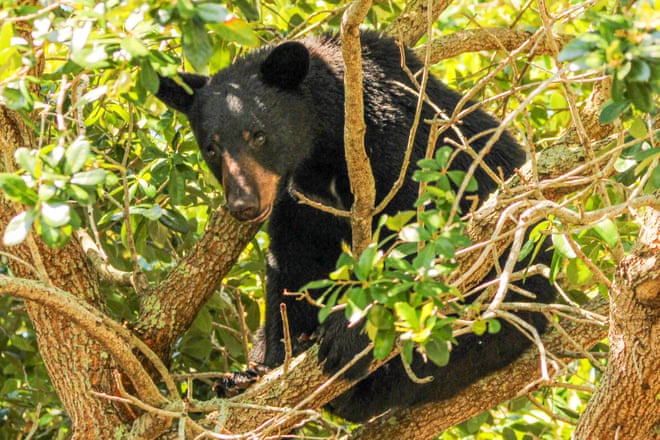
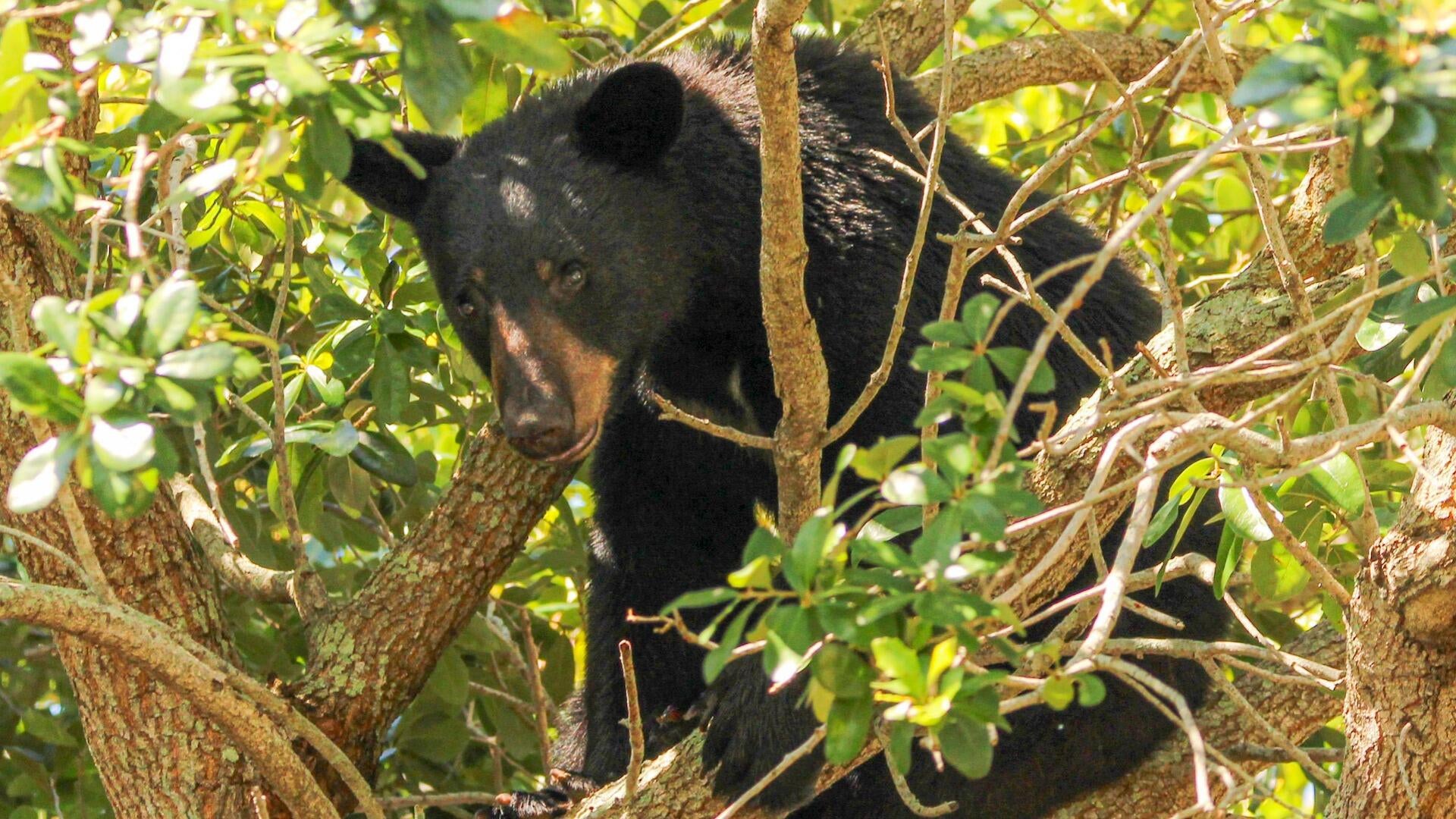
This article by Martin Vassolo was first published by Axios on 20 May 2025. Lead Image: A black bear in Longwood, Florida. Photo: Red Huber/Orlando Sentinel/Tribune News Service via Getty Images.
Wildlife in catastrophic decline
The 73% decline in vertebrate wildlife populations during the last 50 years (mammals, birds, amphibians, reptiles and fish), is primarily driven by human activities that threaten biodiversity.
Habitat Loss and Degradation – human activities like deforestation, urbanization, and agriculture have led to the destruction and fragmentation of natural habitats, reducing the space and resources available for wildlife.
Pollution – air, water, and soil pollution from industrial activities, agriculture, and other sources can harm wildlife directly or indirectly by affecting their habitats and food sources.
Climate Change – changing weather patterns, rising temperatures, and sea levels are disrupting ecosystems and impacting species’ ability to adapt and survive.
Overexploitation of Resources – unsustainable hunting, fishing, and logging practices can lead to the depletion of populations and the loss of biodiversity.
Invasive Species – the introduction of non-native species can disrupt ecosystems, compete with native species, and threaten their survival.
 Donate
Help to protect wildlife by donating as little as $5. Our conservation partners spend at least 80 percent of the money raised on actual fieldwork rather than administration and fundraising.




Leave a Reply