
Mikayla Raines, founder of Save a Fox Rescue and a social media star known for her deep bond with foxes, has died at 30.
According to The New York Times’ Jeré Longman, Raines passed away at her home in Faribault, Minnesota, on June 20. Her husband, Ethan Frankcamp, confirmed the cause was suicide, following ongoing struggles with mental health and online bullying.
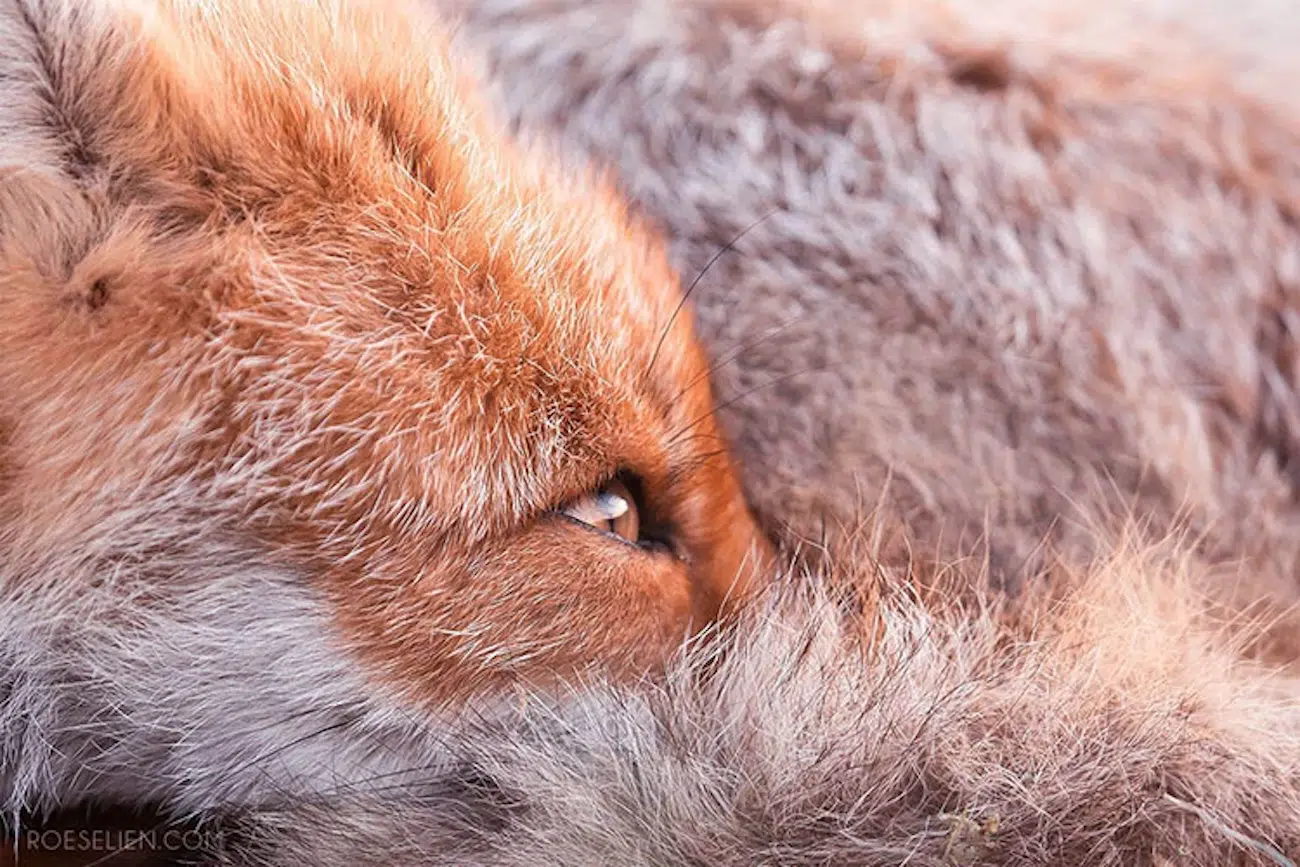
Raines devoted her life to rescuing animals—especially foxes bred for the fur industry. Starting Save a Fox in 2017, she helped save over 150 foxes from cruel fur farms and many others surrendered or seized from illegal owners.
She famously spent $1 million last year alone to help rehabilitate 400 foxes and was working on helping another 100 at the time of her death.
Her empathy for animals was unmatched. She bottle-fed her first fox at 15 and later became a licensed wildlife rehabilitator, saving everything from turtles and raccoons to horses and mink.
Through YouTube and Instagram, she reached millions with footage of cuddly foxes and candid stories of rescue work. But behind the scenes, she faced relentless pressure—managing permits, paperwork, and the emotional toll of rescuing animals in need.
Raines was also open about her challenges living with autism and borderline personality disorder. “She was so sensitive to everything,” Frankcamp shared in a heartfelt video, noting her empathy was both her gift and her burden.
Her death has sparked a call within the rescue community to treat one another with more compassion. As KJ Farms Animal Rescue put it, “The rescue world cannot keep cannibalizing its own.”
Let’s honor Mikayla not just for her heroic work, but by carrying her mission forward. Speak up for animals. Support local rescues. And above all, be kind—to animals and to each other.
This article by Nicholas Vincent was first published by One Green Planet on 3 July 2025. Lead Image Credit :Helen Sushitskaya/Shutterstock.
Wildlife in catastrophic decline
The 73% decline in vertebrate wildlife populations during the last 50 years (mammals, birds, amphibians, reptiles and fish), is primarily driven by human activities that threaten biodiversity.
Habitat Loss and Degradation – human activities like deforestation, urbanization, and agriculture have led to the destruction and fragmentation of natural habitats, reducing the space and resources available for wildlife.
Pollution – air, water, and soil pollution from industrial activities, agriculture, and other sources can harm wildlife directly or indirectly by affecting their habitats and food sources.
Climate Change – changing weather patterns, rising temperatures, and sea levels are disrupting ecosystems and impacting species’ ability to adapt and survive.
Overexploitation of Resources – unsustainable hunting, fishing, and logging practices can lead to the depletion of populations and the loss of biodiversity.
Invasive Species – the introduction of non-native species can disrupt ecosystems, compete with native species, and threaten their survival.
 Donate
Help to protect wildlife by donating as little as $5. Our conservation partners spend at least 80 percent of the money raised on actual fieldwork rather than administration and fundraising.


Leave a Reply