
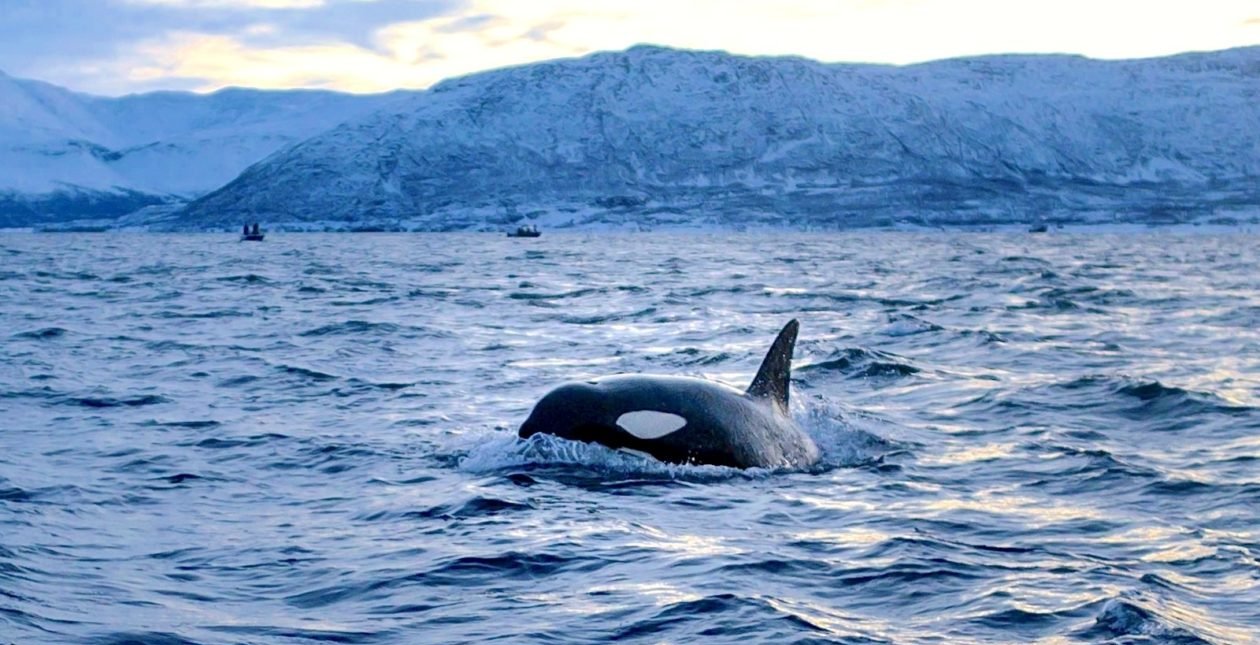
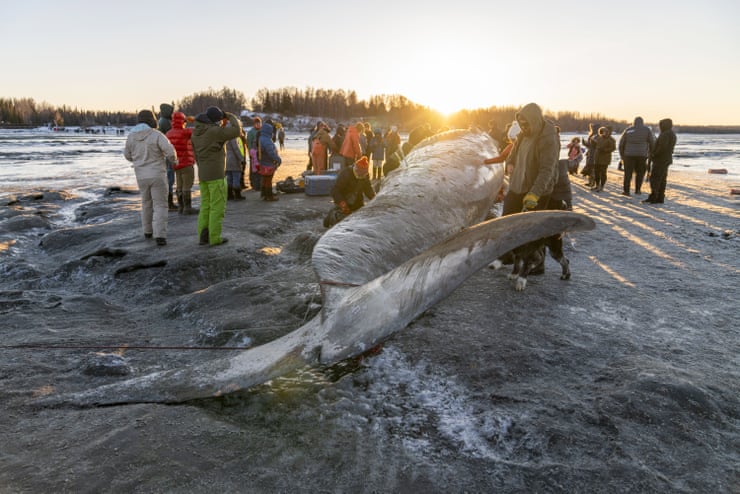
Gray whales along the West Coast are dying at alarming rates, and melting Arctic sea ice is largely to blame.
According to The Seattle Times environment reporter Lynda V. Mapes, gray whale populations have dropped by over 40% in the last decade—marking the steepest and most sustained decline in over 50 years of monitoring.
Once hailed as a conservation success story after rebounding from near extinction, these whales now face a new kind of threat: starvation.
These ocean giants rely on tiny crustaceans called amphipods, which thrive in fine Arctic sediments fertilized by algae that grows on sea ice.
As global warming causes Arctic sea ice to shrink—by 12.2% per decade—this algae-based food chain is collapsing. In 2024, sea ice hit one of its lowest levels ever recorded, and with less algae falling to the seafloor, amphipod populations are also shrinking.
No sea ice means no algae, no amphipods, and ultimately, no food for the whales.
Scientists like Steven Swartz and John Calambokidis have observed whales arriving at their Mexican breeding grounds dangerously thin, many unable to carry calves to term.
Others don’t survive the migration at all. With traditional feeding grounds depleted, some gray whales are now foraging in unusual places—including empty sand flats—just to stay alive.
Research led by Oregon State University’s Joshua Stewart makes the link between human-driven climate change and this die-off painfully clear.
The Arctic’s rapidly changing environment simply can’t Support the same number of whales it once did.
So what can we do? Supporting plant-based diets, reducing fossil fuel use, and advocating for stronger climate policies are crucial steps.
Every small action can ripple outward—just like Climate change, it all adds up. These whales deserve better than extinction by human apathy.
This article by Nicholas Vincent was first published by One Green Planet on 27 April 2025. Lead Image: Image Credit :Patricia VanOver/Shutterstock.
Wildlife in catastrophic decline
During the last 50 years the Living Planet Index shows a 73% decline in vertebrate wildlife populations (mammals, birds, amphibians, reptiles and fish).
Threats to wildlife include hunting, poaching, deforestation, habitat loss, pollution, climate change and the illegal trade in animal products.
Help to protect wildlife by donating as little as $5 – It only takes a minute.
 Donate
Our conservation partners spend at least 80 percent of the money raised on actual fieldwork rather than administration and fundraising.




Leave a Reply