
Netflix’s latest nature documentary, Shark Whisperer, dives deep into one of the planet’s most misunderstood predators—and the woman trying to save them.
According to Lisa Respers France at CNN, the film follows free-diving conservationist Ocean Ramsey as she swims—literally and figuratively—into the heart of shark Conservation.
Directed by Oscar-winner James Reed (My Octopus Teacher), Shark Whisperer introduces audiences to Ramsey’s passionate defense of sharks.
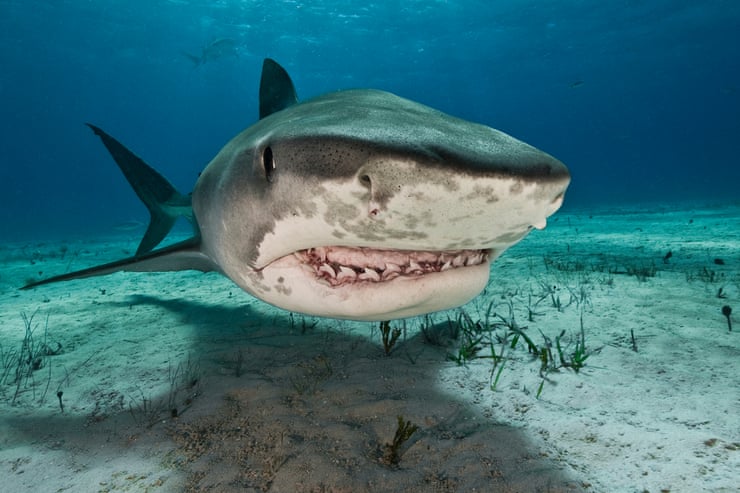
Her mission: to change how we see them. With over 100 million sharks killed annually, the documentary reminds viewers that sharks are essential for maintaining a healthy marine ecosystem.
As Ramsey states in the trailer, “I’m not a crazy person… I’m hyper aware of what they’re capable of.”
Through jaw-dropping footage captured by her partner Juan Oliphant, the film highlights Ramsey’s emotional bond with the animals she calls misunderstood.
Her message is clear—sharks aren’t monsters. They’re keystone species whose extinction would damage ocean health and accelerate climate instability.
Still, not everyone is convinced by Ramsey’s hands-on tactics. As Netflix’s Tudum reports, scientists have questioned whether her public stunts pose safety risks—for her and for the sharks she’s trying to protect.
But with over 2 million Instagram followers, her impact on public perception is undeniable.
Shark Whisperer is now streaming, and while it’s stirring debate, it’s also shining a spotlight on the urgent need to protect sharks—not fear them.
If we care about the oceans, we need to protect their top predators. Skip the shark-fin soup, Support marine sanctuaries, and choose cruelty-free entertainment. Let’s show the planet’s apex predators the respect they deserve.
This article by Nicholas Vincent was first published by One Green Planet on 9 July 2025. Lead Image Credit :IMRAN siddiqi/Shutterstock.
Wildlife in catastrophic decline
The 73% decline in vertebrate wildlife populations during the last 50 years (mammals, birds, amphibians, reptiles and fish), is primarily driven by human activities that threaten biodiversity.
Habitat Loss and Degradation – human activities like deforestation, urbanization, and agriculture have led to the destruction and fragmentation of natural habitats, reducing the space and resources available for wildlife.
Pollution – air, water, and soil pollution from industrial activities, agriculture, and other sources can harm wildlife directly or indirectly by affecting their habitats and food sources.
Climate Change – changing weather patterns, rising temperatures, and sea levels are disrupting ecosystems and impacting species’ ability to adapt and survive.
Overexploitation of Resources – unsustainable hunting, fishing, and logging practices can lead to the depletion of populations and the loss of biodiversity.
Invasive Species – the introduction of non-native species can disrupt ecosystems, compete with native species, and threaten their survival.
 Donate
Help to protect wildlife by donating as little as $5. Our conservation partners spend at least 80 percent of the money raised on actual fieldwork rather than administration and fundraising.




Leave a Reply