
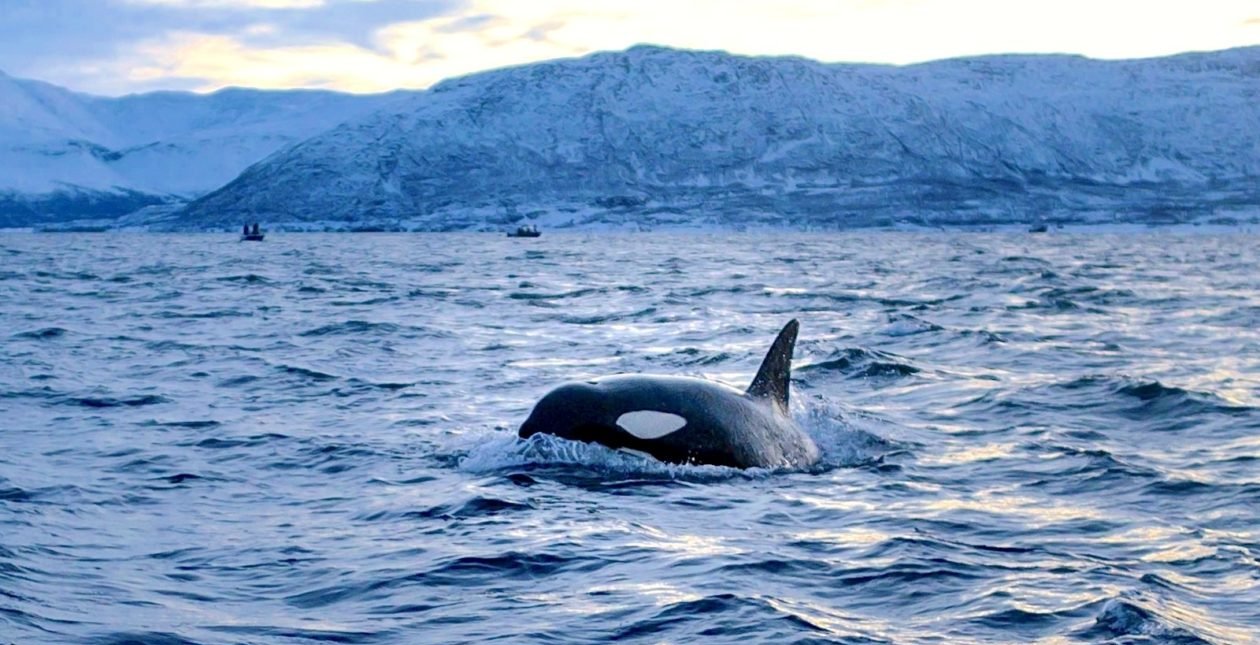
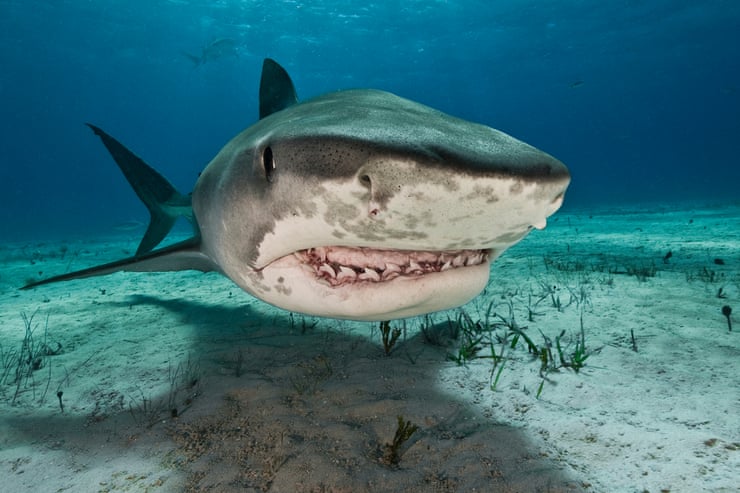
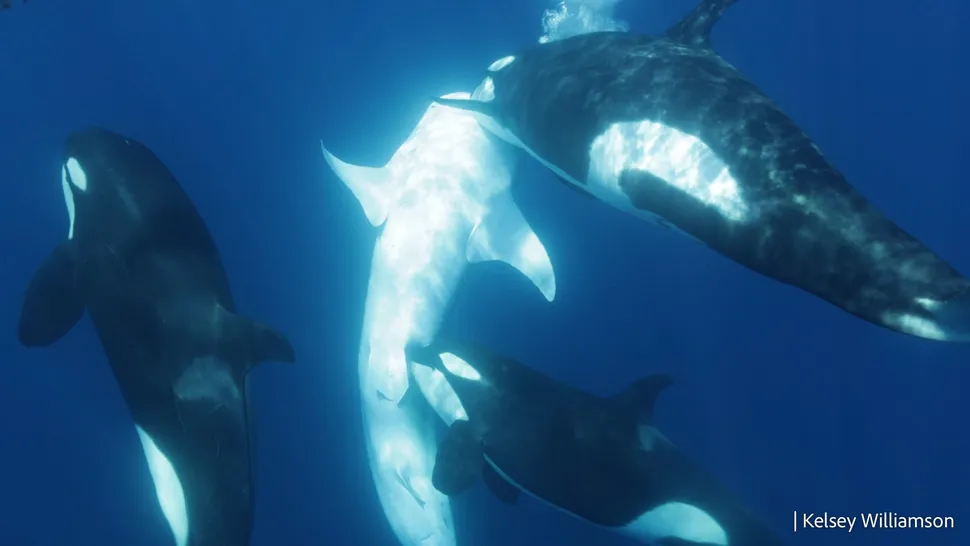
Killer whales have once again shown the world why they’re among the ocean’s most intelligent and strategic hunters. According to PEOPLE, researchers captured rare footage in the Gulf of California showing orcas working together to hunt great white sharks and feast on their livers — a behavior previously only documented in South Africa.
The study, published in Frontiers in Marine Science, details two separate incidents from 2020 and 2022, where pods of killer whales targeted young great whites in a local shark nursery.
Using a calculated technique, the orcas flipped the sharks upside down to induce temporary paralysis before carefully extracting their nutrient-rich livers — a prized energy source.
Lead biologist Erick Higuera-Rivas, who filmed the encounters, described how the whales coordinated with precision and shared their catch. The footage shows the animals’ remarkable intelligence, cooperative behavior, and the way they pass hunting strategies down through generations.
For many marine biologists, this is further evidence of the orcas’ social learning abilities — something that continues to fascinate scientists and conservationists alike.
While great whites are often seen as apex predators, this new footage reminds us how delicately balanced the ocean’s ecosystems really are.
As research scientist Heather Bowlby noted, even top predators can become prey in nature’s hierarchy. Every species — from shark to whale — plays a role in maintaining the planet’s environmental health and marine biodiversity.
These glimpses into the natural world highlight not only the orcas’ intelligence but also the importance of protecting our oceans from Pollution, overfishing, and Climate change. The health of these animals is directly tied to the health of the Earth itself.
We can all help by supporting ocean Conservation efforts, choosing plant-based foods that reduce demand for industrial fishing, and advocating for the protection of marine habitats worldwide.
Video Source: Erick Higuera and Marco Villegas/Vimeo
This article by Nicholas Vincent was first published by One Green Planet on 7 November 2025. Lead Image Credit: PHOTOGRAPHY IS ON/Shutterstock.
What you can do
Help to protect wildlife by donating as little as $5 – it only takes a minute!
 Donate
Our conservation partners spend at least 90 percent of the money raised on actual fieldwork rather than administration and fundraising.



Leave a Reply