
An Eastern Oregon poacher investigated for more than 50 crimes in the Blue Mountains has been sentenced to jail, fined $22,000 and is prohibited from ever hunting or fishing again in the state.
Grant County, Ore., includes parts of the Umatilla and Malheur national forests.
Travis A. Palmer, 35, has been sentenced to 95 days in jail after a two-year investigation by Oregon State Police Fish and Wildlife troopers led to numerous wildlife and angling charges.
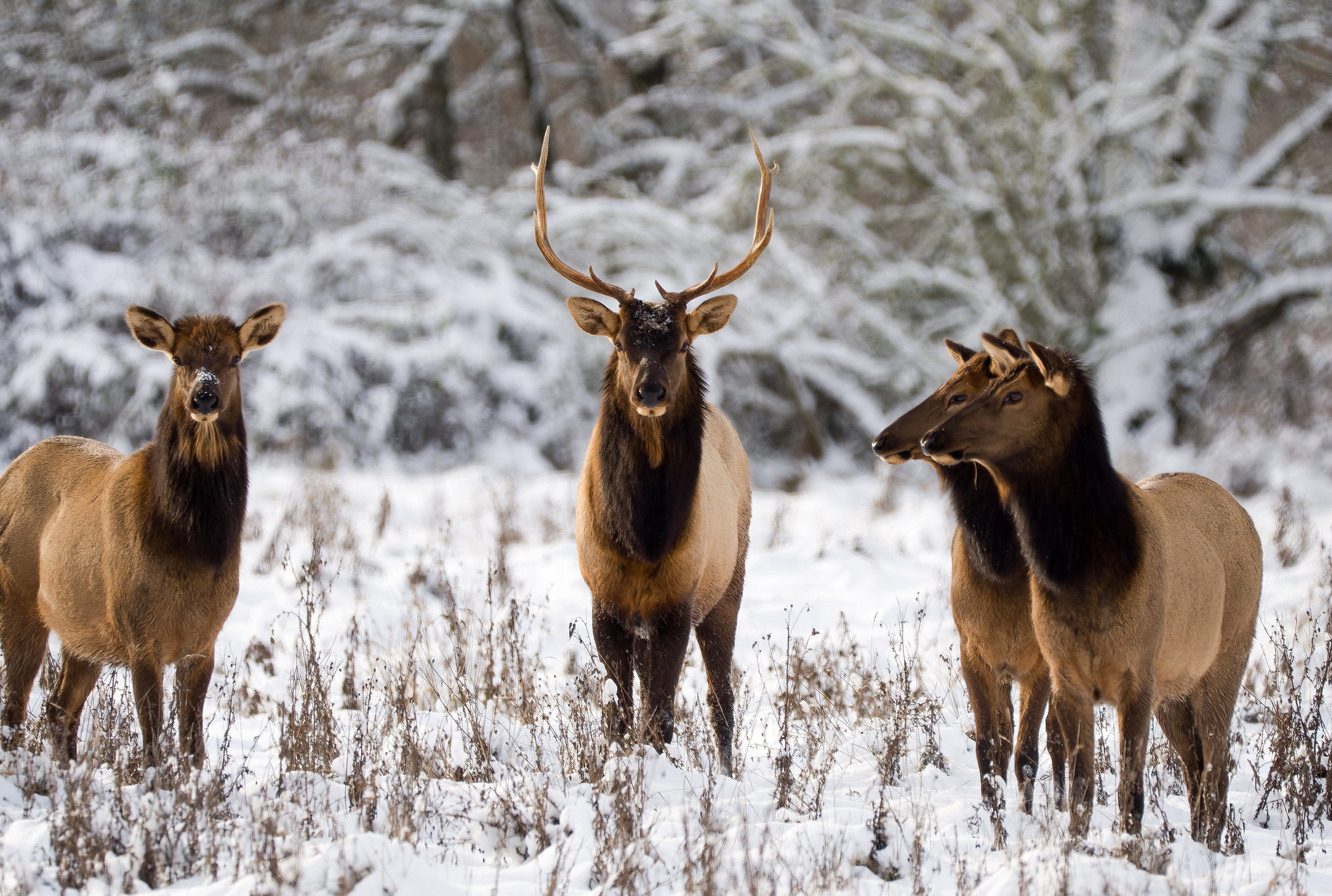
In what the Oregon Department of Fish and Wildlife considers a “serial poaching” case, Palmer accepted a plea deal that resulted in two felony convictions for taking a bull elk with six tines on one side of his antler and five on the other; a mule deer with 3-point-by-3 point antlers; nine misdemeanor wildlife and angling crimes; and a probation violation.
Charges included poaching a bull elk and two mule deer while “spotlighting,” according to the Oregon Department of Fish and Wildlife.
Spotlighting is the illegal act of casting bright light directly at an animal during the night, despite regulations limiting hunting from 30 minutes before sunrise to 30 minutes after sunset.
The investigation began in March 2023 when troopers received a tip that Palmer had a 6-point-by-6-point bull elk while his hunting privileges were suspended. Troopers found and seized the elk head, according to the Oregon Department of Fish and Wildlife.
Palmer was convicted for unlawful killing or possession of a bull elk, and his hunting privileges were revoked for his lifetime, according to the Oregon Department of Fish and Wildlife.
But then the department received a tip that Palmer was attempting to poach during the 2023 archery season. He had unlawfully shot a bull elk and two mule deer bucks at night by spotlighting and shooting the animals with a rifle from a public road, according to the Oregon Department of Fish and Wildlife.
OSP troopers seized three sets of antlers, a spotlight, a rifle and a bow, among other items.
In 2024, while Palmer was awaiting trial, state police troopers received a tip that he was illegally fishing for wild steelhead on the John Day River. He and friends were caught breaking fishing regulations, including fishing at night. After an investigation, they were charged with more than 30 fishing crimes, according to the Oregon Department of Fish and Wildlife.
In addition to jail time and the $22,000 fine, Palmer was sentenced to 18 months probation; forfeiture of his rifle and other hunting equipment; and an additional lifetime revocation of hunting and fishing rights.
The Grant County District Attorney’s Office, led by Jim Carpenter, prosecuted the case.
“Our goal is to prevent these thefts of our wildlife resources that rob from our hunters, anglers and outdoor enthusiasts,” said Sgt. Erich Timko of OSP Fish and Wildlife.
Suspected wildlife or habitat law violations may be reported to the OSP tipline at 800-452-7888 or emailed to [email protected]. The Turn in Poachers (TIP) program offers cash rewards and hunting preference points.
This article by Tri-City Herald staff was first published by Tri-City Herald on 29 une 2025. Lead Image: By Membeth – Own work, CC0, https://commons.wikimedia.org/w/index.php?curid=83037160.
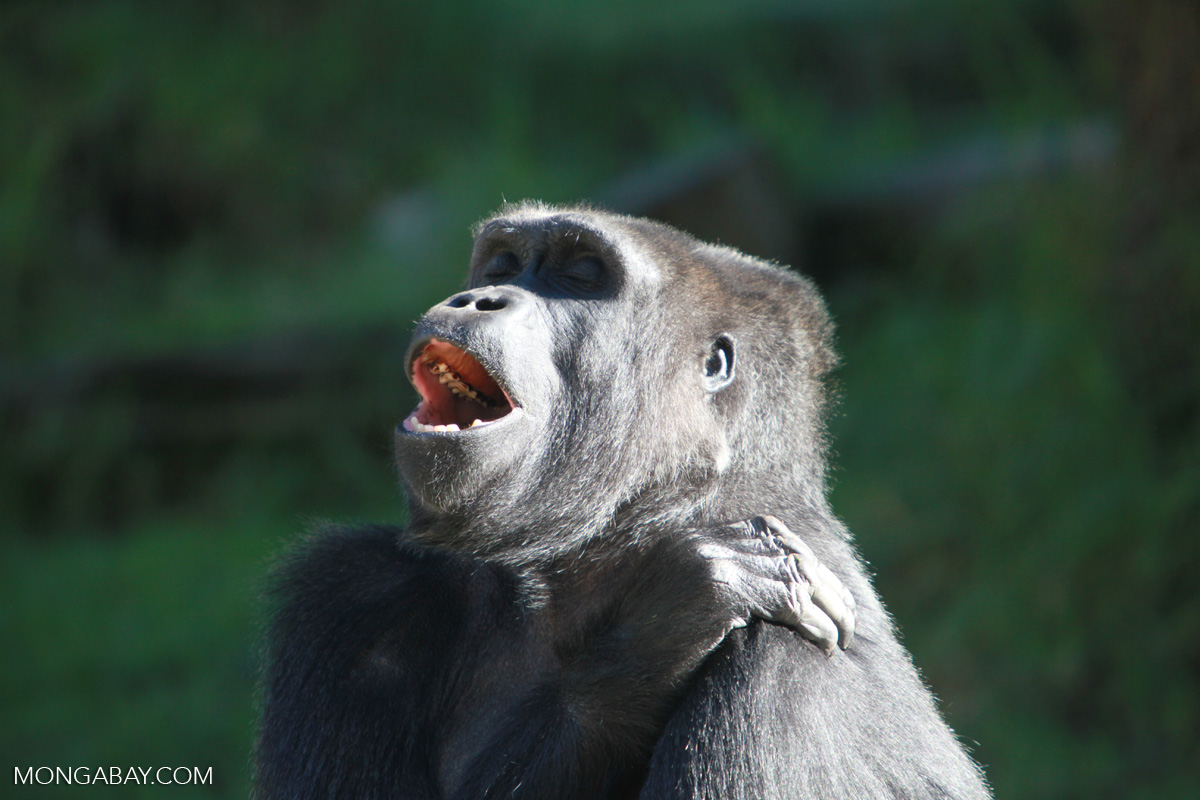
Wildlife in catastrophic decline
The 73% decline in vertebrate wildlife populations during the last 50 years (mammals, birds, amphibians, reptiles and fish), is primarily driven by human activities that threaten biodiversity.
Habitat Loss and Degradation – human activities like deforestation, urbanization, and agriculture have led to the destruction and fragmentation of natural habitats, reducing the space and resources available for wildlife.
Pollution – air, water, and soil pollution from industrial activities, agriculture, and other sources can harm wildlife directly or indirectly by affecting their habitats and food sources.
Climate Change – changing weather patterns, rising temperatures, and sea levels are disrupting ecosystems and impacting species’ ability to adapt and survive.
Overexploitation of Resources – unsustainable hunting, fishing, and logging practices can lead to the depletion of populations and the loss of biodiversity.
Invasive Species – the introduction of non-native species can disrupt ecosystems, compete with native species, and threaten their survival.
 Donate
Help to protect wildlife by donating as little as $5. Our conservation partners spend at least 80 percent of the money raised on actual fieldwork rather than administration and fundraising.




Leave a Reply