
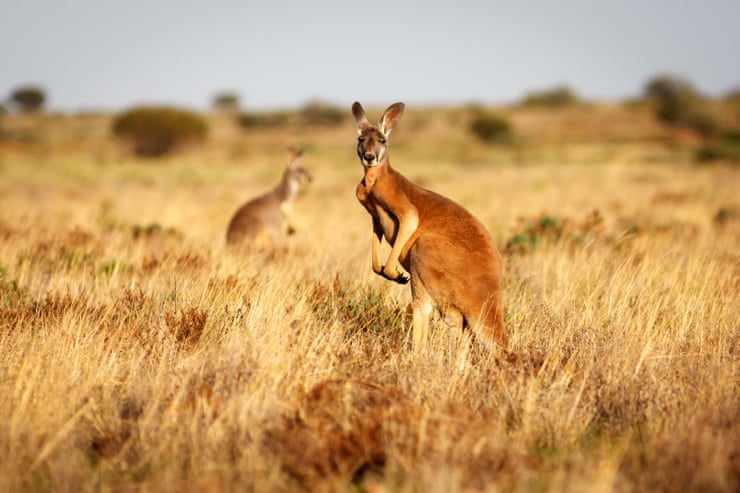
According to a recent report by PETA’s Sara Oliver, an 11-year-old boy in San Antonio, Texas, was bitten by a red kangaroo named Bobby—an animal his family had been illegally keeping as a pet.
The boy’s injuries were treated by a doctor, who reported the incident to authorities. While the child’s wound was not life-threatening, experts warn that close contact with wild animals like kangaroos can spread dangerous pathogens such as E. coli and salmonella.
Authorities cited the boy’s father for multiple violations, including illegal possession of a prohibited animal, lack of rabies vaccination proof, and responsibility for the bite incident. Bobby was removed from the property and placed under a 30-day quarantine by Animal Care Services.
In the wild, kangaroos live in close-knit family groups known as “mobs,” where they can roam, graze, and interact naturally. Keeping them in suburban backyards strips them of these essential behaviors, often causing severe stress and health issues.
Sadly, Bobby’s case is far from unique—thousands of exotic animals in the U.S. are confined in private hands, facing poor living conditions and posing risks to both themselves and the public.
There is precedent for legislative change. The Big Cat Public Safety Act recently banned the private ownership of big cats in the U.S., protecting both humans and wildlife.
Now, advocates are urging Congress to pass the Captive Primate Safety Act, which would prohibit private ownership and trade of monkeys and apes. Expanding such protections to all exotic species—including kangaroos—could help prevent tragedies like this one.
Wild animals belong in the wild—not in cages, backyards, or petting zoos. If you see someone illegally keeping an exotic animal, speak up.
Reporting it could save a life—human or animal. Let’s make sure Bobby’s story becomes a turning point toward ending the private ownership of wildlife.
This article by Nicholas Vincent was first published by One Green Planet on 14 August 2025. Lead Image Credit :Majonit/Shutterstock.
Help to protect wildlife
Help to protect wildlife by donating as little as $5 – it only takes a minute!
 Donate
Our conservation partners spend at least 90 percent of the money raised on actual fieldwork rather than administration and fundraising.



Leave a Reply