
The way wolves are being managed in Montana, Wyoming, and Idaho isn’t just controversial — it’s a case study in how politics can overwhelm science when it’s inconvenient.
Grizzly bears are next.
What’s happening to these animals is often framed as “management,” but that word loses its meaning when the underlying decisions are driven less by ecological evidence and more by pressure from entrenched hunting and agricultural interests and outdated narratives.

For decades, wolves have been cast as villains in a story built on fear: livestock killers, game destroyers, symbols of a wilderness that must be controlled. Those narratives persist despite a substantial body of ecological research showing that apex predators play a stabilizing role in ecosystems.
Wolves regulate prey populations, influence animal behavior, and even shape landscapes through trophic cascades. Yet instead of treating them as a critical component of ecological health, policy in these states frequently treats them as a problem to be minimized — or eliminated as aggressively as possible.
The issue isn’t just that wolves are being killed; it’s how and why. Policies have expanded hunting seasons, loosened restrictions, and in some cases encouraged methods that push well beyond what most people would consider fair chase. These decisions are often justified as “science-based management,” but that label rings hollow when the outcomes contradict what science actually tells us about predator dynamics.
Wolves are not like deer or elk. Large predators evolved under very different pressures. They are social, territorial, and self-regulating to a significant degree. When you remove key individuals — especially experienced breeding adults — you don’t simply reduce numbers in a clean, predictable way. You fracture pack structures. You disrupt learned behaviors that keep younger wolves in check. You can increase breeding rates, scatter inexperienced animals across the landscape, and ironically exacerbate the very conflicts with livestock that these policies claim to reduce.
In other words, indiscriminate or poorly targeted killing doesn’t just fail to solve problems, it can make them worse.
That’s the scientific reality. But it often collides with a political one.
State wildlife agencies, in theory, are supposed to balance the interests of all citizens and steward wildlife that falls within the public trust — including animals that live on federal public lands owned by every American.
In practice, decision-making structures are frequently dominated by hunting groups and agricultural interests. Those voices matter, but they are not the only stakeholders. When they become the loudest or most influential voices in the room, management priorities can skew toward maximizing hunting opportunities or minimizing perceived threats to livestock, rather than maintaining ecological integrity. The result is a system where “management” becomes synonymous with reduction, and where long-term ecosystem health is subordinated to short-term political pressure.
What makes this particularly troubling is that wolves are just the beginning.
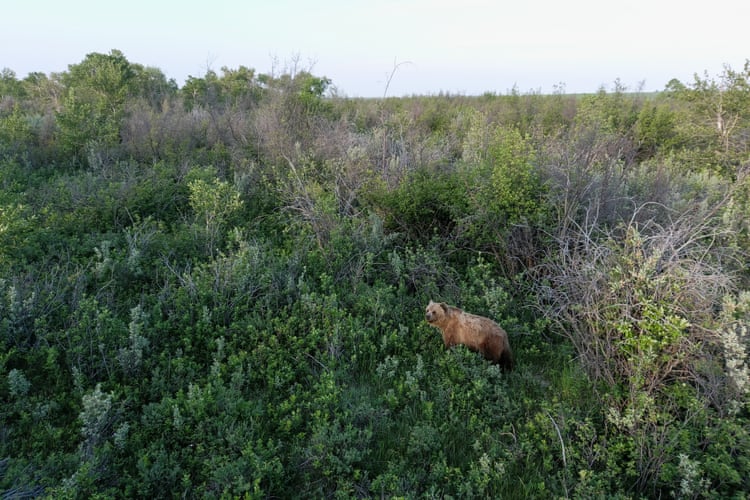
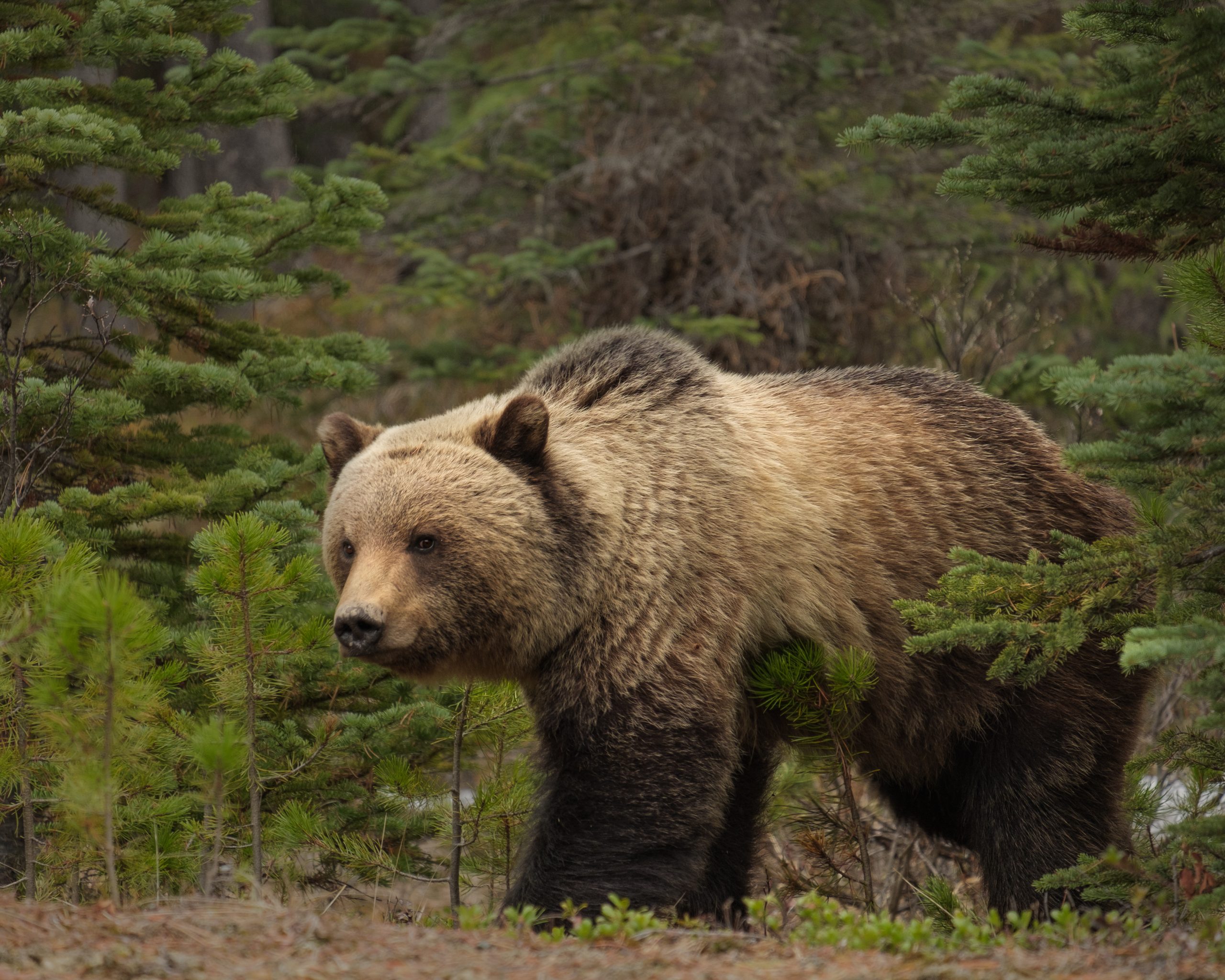
Grizzly bears are already on a similar trajectory in public discourse. The same talking points — overpopulation, danger, economic impact — are resurfacing, often detached from scientific consensus. Montana, Wyoming and Idaho are pushing to have grizzly bears removed from federal endangered species protections, and have management turned over to the states. If current patterns hold, there’s a real risk that grizzlies will be subjected to the same kind of politically driven mismanagement that wolves are experiencing now.
And once again, it will be framed as science. It’s not.
But science doesn’t support dismantling complex predator societies in ways that destabilize ecosystems. Science doesn’t support ignoring the cascading effects of removing apex predators. Science doesn’t support policies rooted in mythologies that date back centuries.
What’s at stake here is bigger than wolves or even grizzlies. It’s about whether wildlife policy is going to be guided by evidence and ecological understanding, or by fear, tradition, and political convenience. It’s about whether public lands and the animals on them are truly managed for the public good, or for a narrow set of interests.
Wolves are resilient. So are grizzlies. They’ve survived eradication campaigns before. But resilience shouldn’t be an excuse for reckless policy. The question isn’t whether wolves and grizzlies can endure this — it’s whether our institutions can rise above the pressures distorting their mission.
Right now, the answer is not encouraging.
This article by David Stalling was first published by The Wildlife News on 23 April 2026.
Help to protect wildlife
Protect wildlife by making a monthly donation as little as $5.
It only takes a minute!



Leave a Reply