
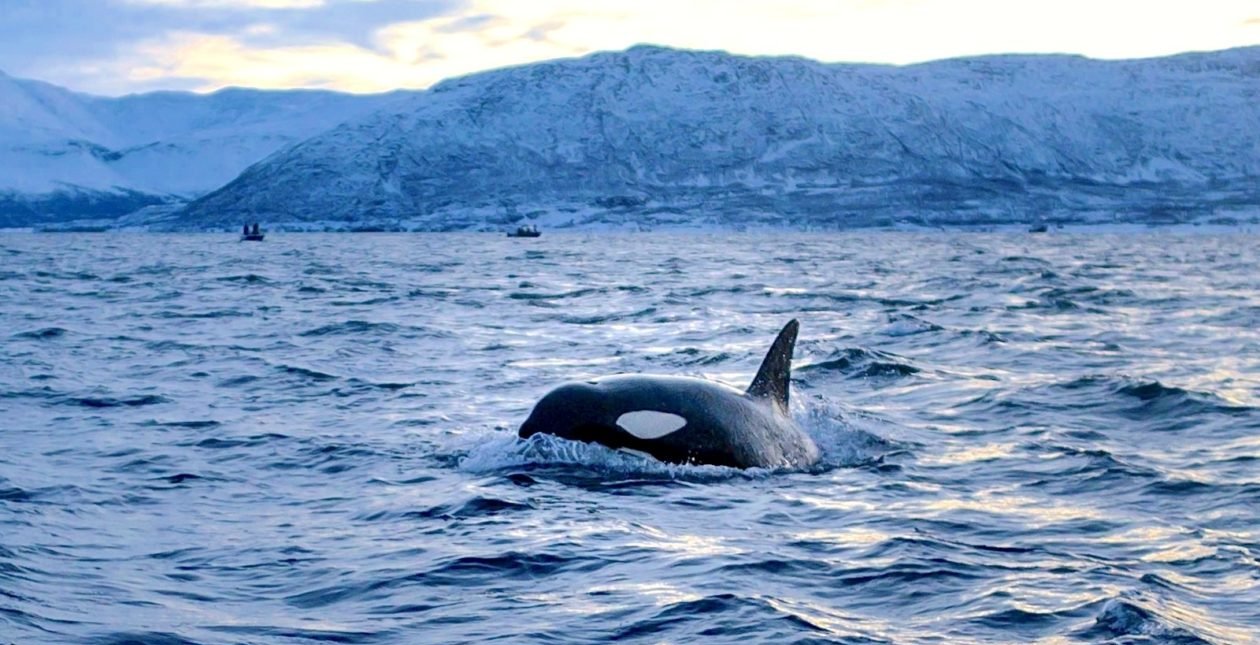
Two sailors are lucky to be alive after a pod of killer whales rammed repeatedly into their yacht.
The terrifying incident happened off the coast of Spain.
The creatures coordinated their attack against the yacht.
Fortunately, both were rescued from their French yacht on July 21. According to The Sydney Morning, the killer whales pod attacked the boat.
Although it is a rare occurrence, it’s not the first time that something like this has happened.
Apparently, Aquaman is going to war with yachts out there on the seven seas.
Killer Whales Attack
All jokes aside, it was quite a scary situation. One of them sent out a mayday call while the boat was two miles off the coast of Deba, Spain.
Fortunately, someone picked up their call and managed to rescue them. According to experts, it’s uncommon for orcas to be the that for north.
Usually, they’re found South in the country in the Strait of Gibraltar. The attack is even more uncommon for the area.
The killer whales targeted the yacht’s stern. They then focused on hitting the rudder to stop the boat. Expert believes a specific orca group may be responsible for many of the boat attacks.
“For some unknown reason, the killer whales have developed a penchant for breaking the rudders of sailboats and once they have achieved this, they leave the boat alone,” Volker Deeke, professor of wildlife conservation at the University of Cumbria, told The Telegraph.
“During interactions, the animals remain cool, calm and collected without any of the behavioural signs of aggression such as splashing, or vocalisations,” he explained.
This article by Matthew Wilson was first published by Wide Open Spaces on 23 July 2025. Lead Image: Shutterstock.
Wildlife in catastrophic decline
The 73% decline in vertebrate wildlife populations during the last 50 years (mammals, birds, amphibians, reptiles and fish), is primarily driven by human activities that threaten biodiversity.
Habitat Loss and Degradation – human activities like deforestation, urbanization, and agriculture have led to the destruction and fragmentation of natural habitats.
Overexploitation of Resources – hunting, fishing and wildlife trafficking lead to the depletion of populations and the loss of biodiversity.
Invasive Species – the introduction of non-native species disrupt ecosystems, compete with native species, and threaten their survival.
Pollution – air, water, and soil pollution from industrial activities, agriculture, and other sources harm wildlife directly or indirectly by affecting their habitats and food sources.
Climate Change – changing weather patterns, rising temperatures, and sea levels are disrupting ecosystems and impacting species’ ability to adapt and survive.
Help to protect wildlife
Help to protect wildlife by donating as little as $5 – it only takes a minute!
 Donate
Our conservation partners spend at least 90 percent of the money raised on actual fieldwork rather than administration and fundraising.



Leave a Reply