
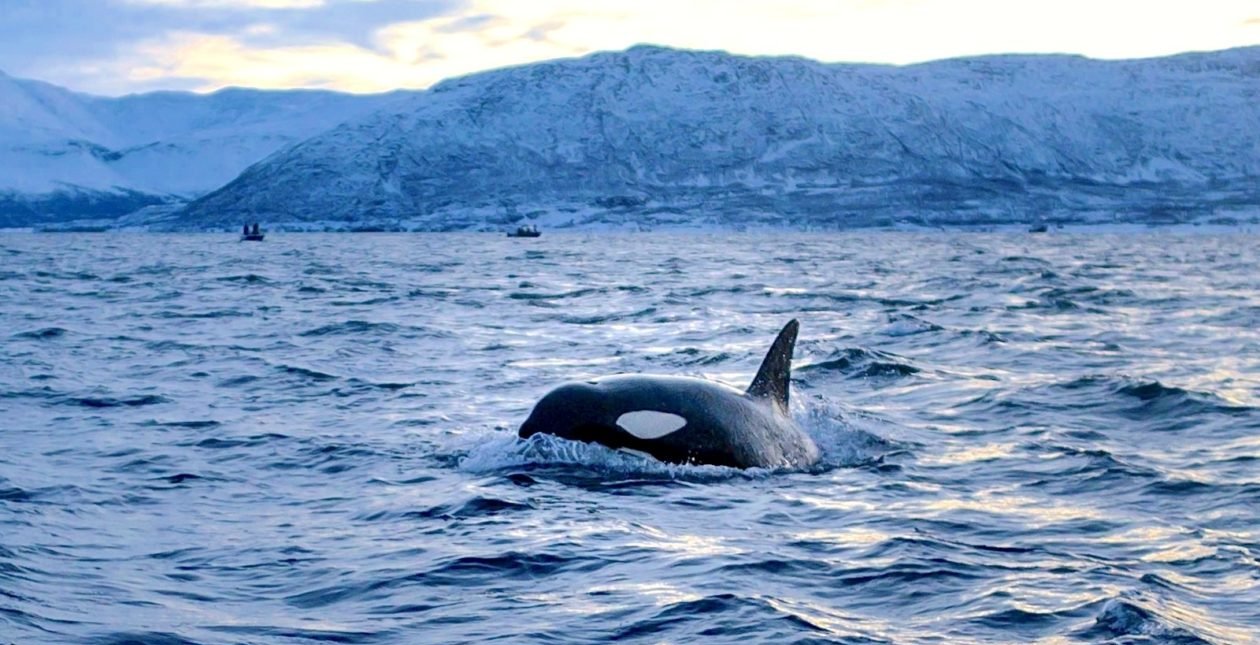
According to ABC News reporter Bill Hutchinson, a 20-foot-long Minke whale died after colliding with a pleasure boat in New Jersey’s Barnegat Bay on August 2.
The impact nearly capsized the vessel and knocked one passenger into the water, though thankfully no humans were injured.
Witnesses described the whale as visibly distressed before the accident, repeatedly surfacing near boats and struggling to reach deeper waters.
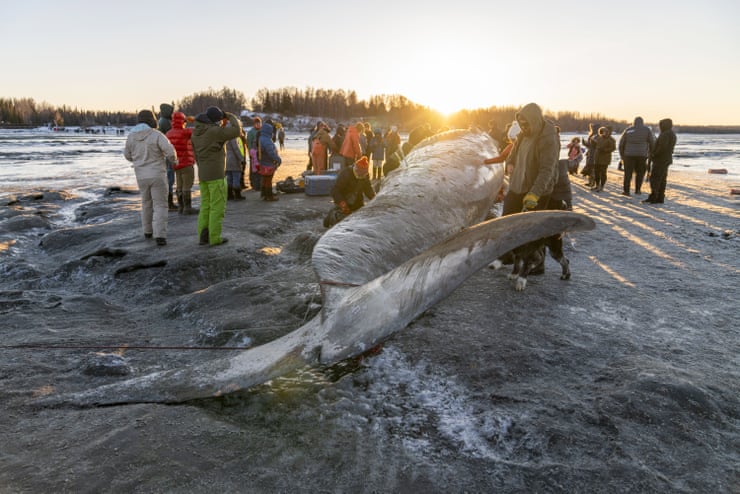
The whale later became stranded on a sandbar and was pronounced dead by the Marine Mammal Stranding Center.
Sadly, this is not an isolated incident. Collisions between vessels and whales have been on the rise, especially along the busy Atlantic coast.
Researchers have linked many of these accidents to increasing boat traffic, habitat loss, and stress caused by noise Pollution.
Just this summer, reports from the National Oceanic and Atmospheric Administration (NOAA) have highlighted an alarming number of whale strandings and deaths along U.S. coastlines.
Marine biologists point to vessel strikes, entanglement in fishing gear, and warming ocean waters as major threats.
Whales like the Minke play a vital role in marine ecosystems by helping regulate fish populations and circulating nutrients that Support ocean biodiversity. Yet human activity continues to endanger them.
From rising shipping traffic to plastic Pollution in our oceans, our consumption habits are pushing marine life to the brink. Some states have already introduced speed restrictions for vessels in whale migration corridors, but experts argue that stronger protections and stricter enforcement are urgently needed.
This heartbreaking event is a reminder that our leisure and industry come at a cost to wildlife. Choosing sustainable seafood alternatives, reducing single-use plastics, and supporting organizations that fight for marine protection can all make a difference. Most importantly, we need to demand stronger protections for whales and other vulnerable species before more are lost to preventable tragedies.
This article by Nicholas Vincent was first published by One Green Planet on 12 August 2025. Lead Image Credit :V Leigh Photography/Shutterstock.
Help to protect wildlife
Help to protect wildlife by donating as little as $5 – it only takes a minute!
 Donate
Our conservation partners spend at least 90 percent of the money raised on actual fieldwork rather than administration and fundraising.




Leave a Reply