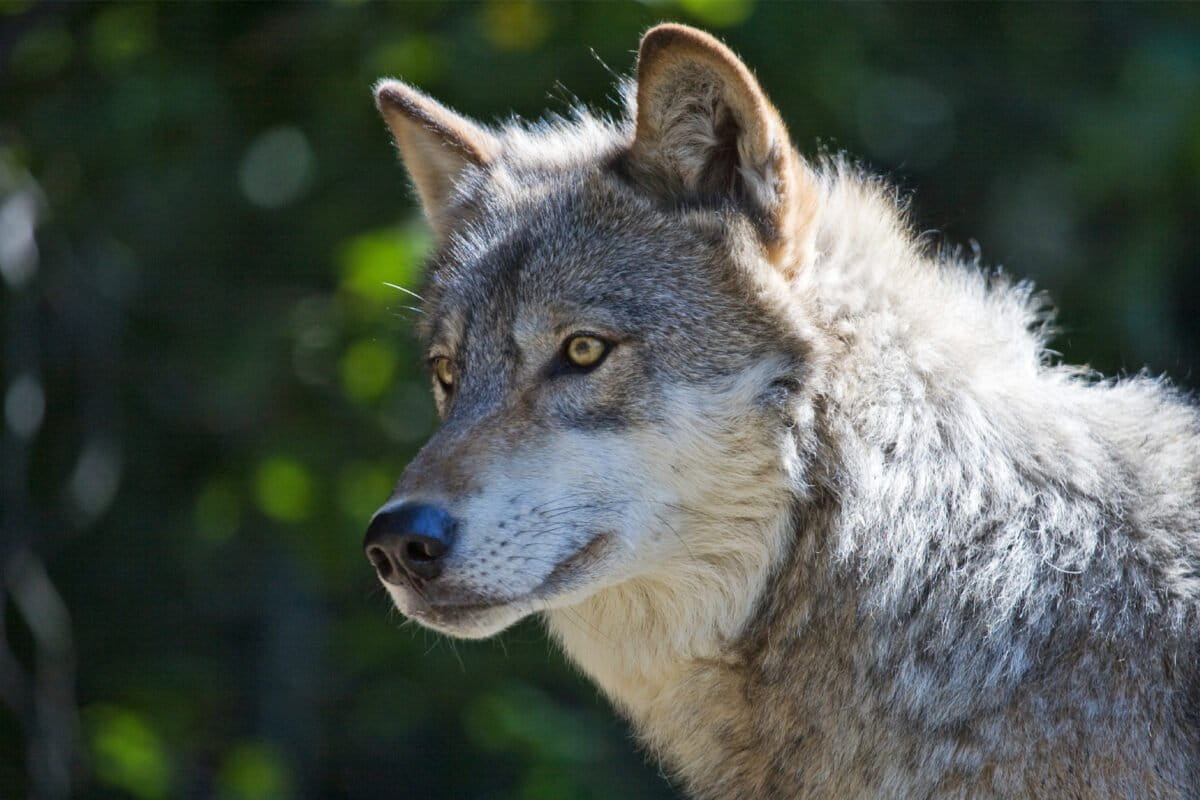
![Wolves and Rivers: How One Species Can Transform an Ecosystem [VIDEO]](https://i3.wp.com/upload.wikimedia.org/wikipedia/commons/thumb/1/15/Scandinavian_grey_wolf_Canis_lupus_%28cropped%29.jpg/960px-Scandinavian_grey_wolf_Canis_lupus_%28cropped%29.jpg?w=750&resize=750,0&ssl=1 "Wolves and Rivers: How One Species Can Transform an Ecosystem [VIDEO]")
When any species is removed from its original ecosystem, the changes felt by that natural habitat may be unnoticeable at first.
But as that one single change causes a domino effect, ripples of change are scattered across vast channels of that ecosystem, causing drastic alterations in the natural balance that once existed.
A perfect example of this is the disappearance of the wolf population from Yellowstone National Park. Starting in the 1800s, spanning well into the 1900s, wolves were routinely poisoned as a method of “predator control” in Yellowstone.
Since their virtual disappearance from the park, there have been a series of geographic and ecological changes that were never truly understood until the wolf population was returned.
Since 1995, when wolves were reintroduced into Yellowstone, the impact of their return has been felt in every facet of the park’s ecosystem.
Rebalancing the natural predatory hierarchy, the park’s biodiversity has actually increased, whole landscapes have rejuvenated, and the course of the river has even been changed for the better! It’s almost unbelievable.
Let’s step outside Yellowstone for a second and think about how we have inadvertently altered thousands of other ecosystems by targeting apex predators.
While we may perceive these animals as a threat to our well-being, a future without them spells indefinite doom for us.
It is time we started to respect the natural workings of nature and set aside our invented fear of natural predators.
We should all look to the reintroduction of wolves at Yellowstone and remember that in some way or another, everything is connected, and the less we alter, the better!
This article by The OGP Editorial Team was published by One Green Planet on 4 June 2025. Lead Image: Image Credit : Willem v Strein / Wikipedia Commons.
Wildlife in catastrophic decline
The 73% decline in vertebrate wildlife populations during the last 50 years (mammals, birds, amphibians, reptiles and fish), is primarily driven by human activities that threaten biodiversity.
Habitat Loss and Degradation – human activities like deforestation, urbanization, and agriculture have led to the destruction and fragmentation of natural habitats, reducing the space and resources available for wildlife.
Pollution – air, water, and soil pollution from industrial activities, agriculture, and other sources can harm wildlife directly or indirectly by affecting their habitats and food sources.
Climate Change – changing weather patterns, rising temperatures, and sea levels are disrupting ecosystems and impacting species’ ability to adapt and survive.
Overexploitation of Resources – unsustainable hunting, fishing, and logging practices can lead to the depletion of populations and the loss of biodiversity.
Invasive Species – the introduction of non-native species can disrupt ecosystems, compete with native species, and threaten their survival.
 Donate
Help to protect wildlife by donating as little as $5. Our conservation partners spend at least 80 percent of the money raised on actual fieldwork rather than administration and fundraising.




Leave a Reply