
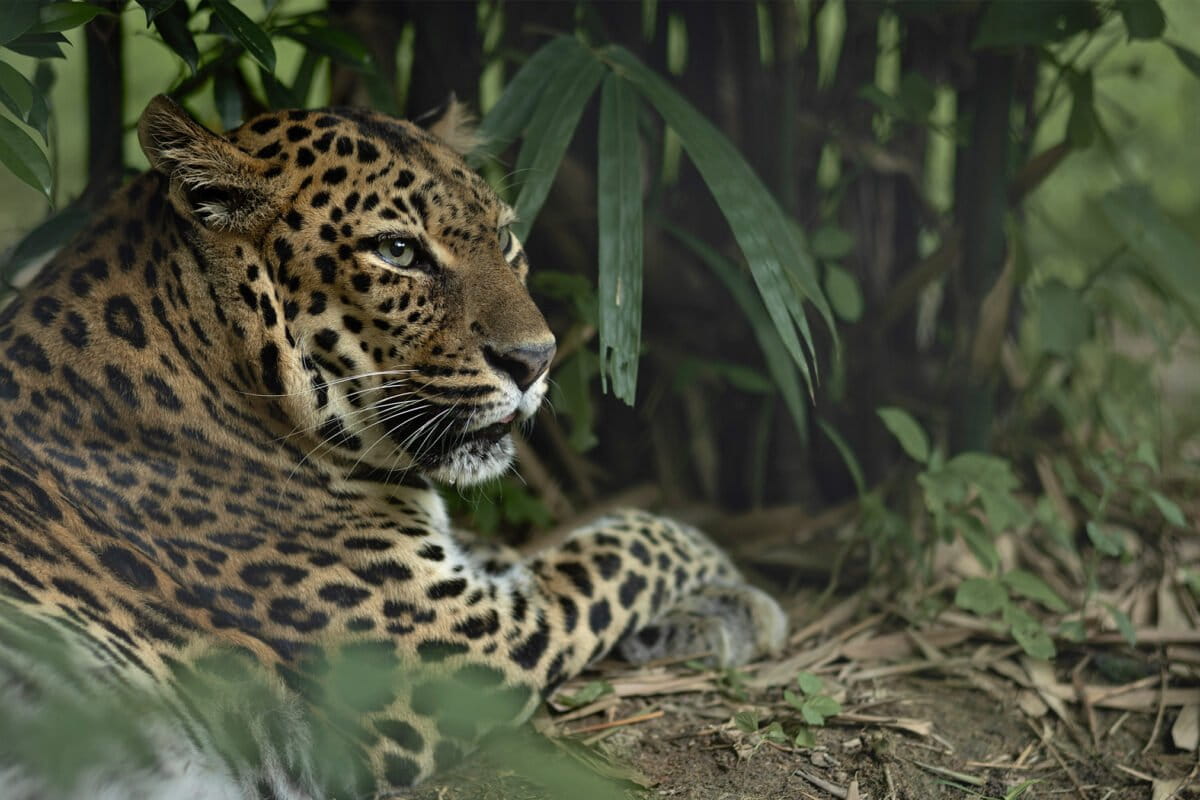
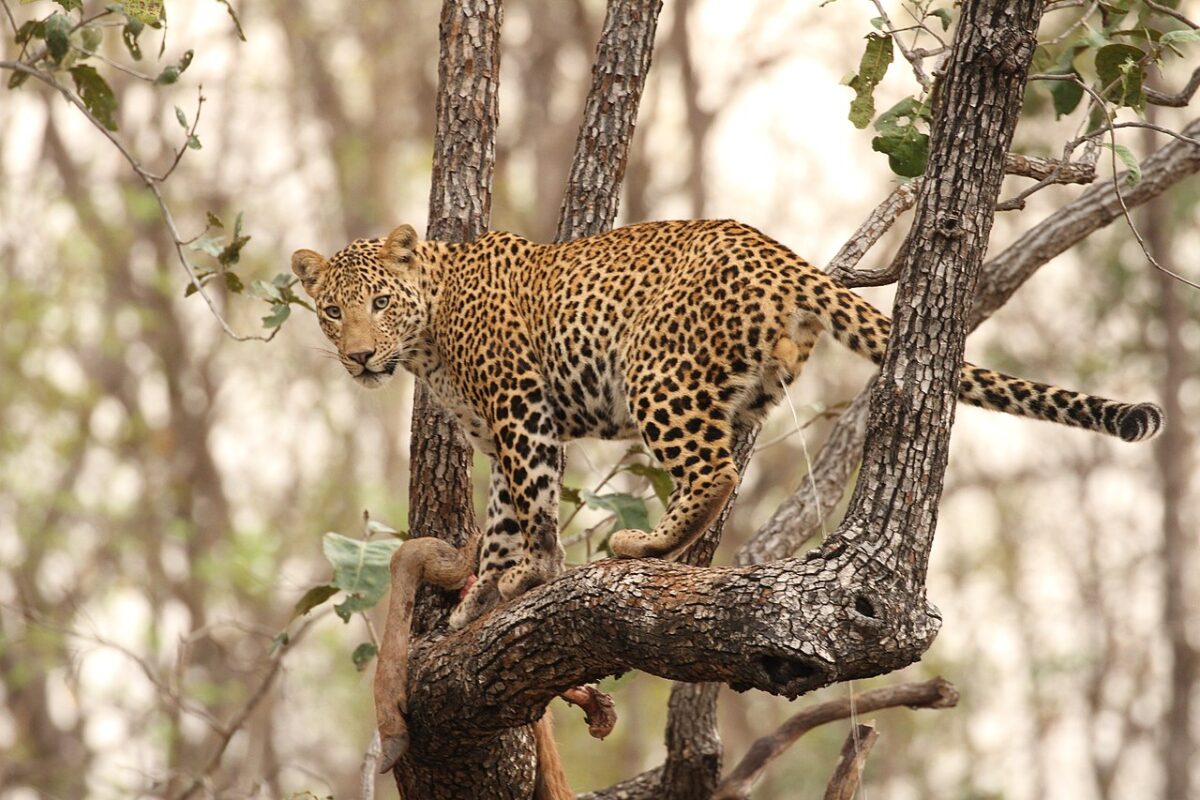
According to a report from BBC News, a tragic incident unfolded at Jerusalem’s Biblical Zoo when a leopard escaped its enclosure and fatally attacked 36-year-old Uriel Nuri, head of the zoo’s carnivores team.
The attack occurred during a behind-the-scenes tour for visitors, who remained safe behind protective glass. Despite immediate medical attention, Nuri later died from his injuries at Hadassah University Hospital.
While the zoo has since closed to visitors and launched an investigation, this tragedy raises bigger questions about the risks of keeping wild animals in captivity. Leopards, like other big cats, are highly intelligent, solitary predators with vast territorial needs.
When confined to enclosures, even well-maintained ones, their stress and frustration can escalate, sometimes with fatal consequences. Similar incidents have happened worldwide, from tigers escaping enclosures to elephants turning aggressive after years in captivity.
Many zoos claim Conservation as their justification, but critics argue that the stress of confinement often outweighs these benefits.
True Conservation can happen in the wild, through protecting natural habitats and cracking down on poaching. Sanctuaries and wildlife corridors provide safer, more ethical alternatives that do not rely on public exhibition for entertainment.
Even the Biblical Zoo has faced past incidents, including a crocodile attack last year, suggesting deeper systemic issues when it comes to human-animal interactions in these facilities.
The heartbreaking death of Nuri should serve as a reminder that wild animals are not meant for cages or shows. They deserve space, freedom, and the ability to live naturally without human-imposed boundaries.
It’s time to move away from supporting zoos and instead put energy into wildlife Conservation efforts that respect animals as living beings, not exhibits.
This article by Nicholas Vincent was first published by One Green Planet on 7 August 2025. Lead Image Credit :imageBROKER.com/Shutterstock.
Help to protect wildlife
Help to protect wildlife by donating as little as $5 – it only takes a minute!
 Donate
Our conservation partners spend at least 90 percent of the money raised on actual fieldwork rather than administration and fundraising.




Leave a Reply