
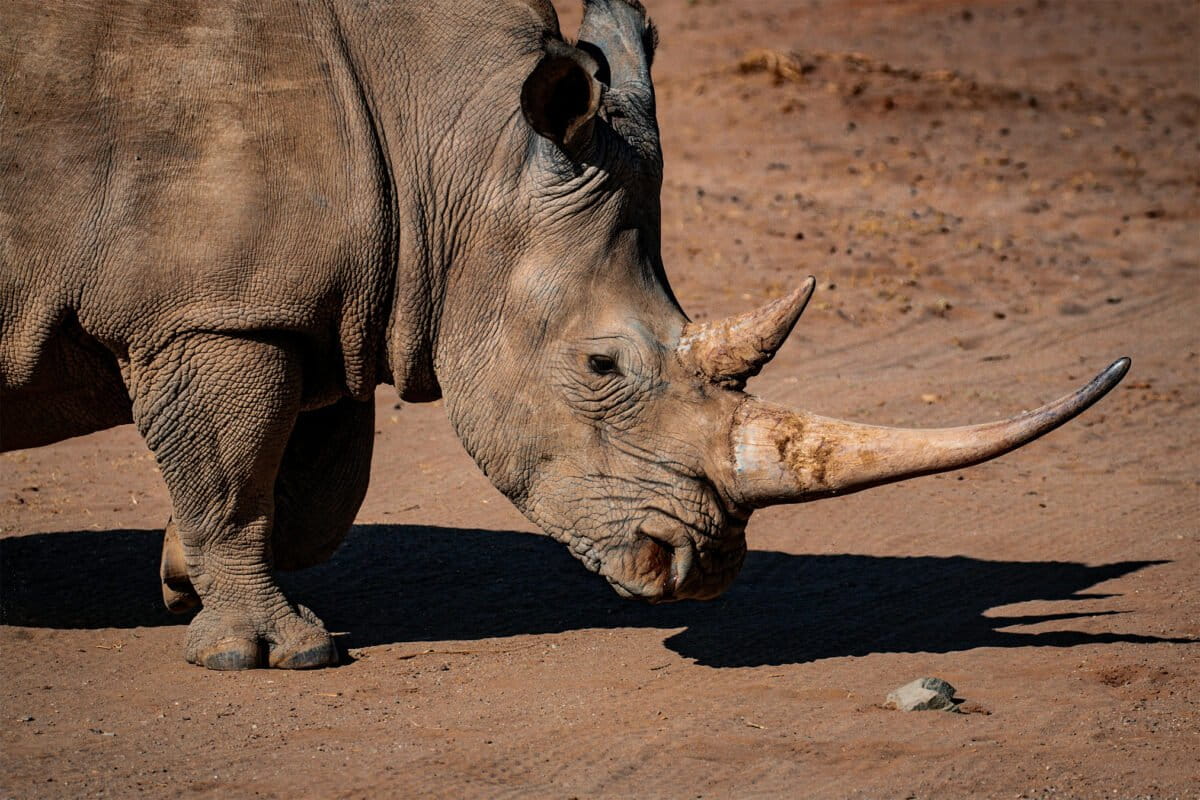
Cutting the horns off rhinos causes a large reduction in poaching, according to a new study, which raises questions about the effectiveness of expensive anti-poaching techniques used to protect the African mammals.
Poaching for horn is a significant threat to the world’s five rhino species. The substance, which is similar to human fingernails, is commonly used for traditional medicine in China, Vietnam and other Asian countries. Dealers in the hidden market will pay tens of thousands of dollars for the horns, which are falsely believed to be effective at treating fevers, pain and a low sex drive in traditional medicine.
But new research in the journal Science has highlighted ways to better protect the animals from illegal hunters. An assessment of rhino protection methods in the Greater Kruger region of South Africa – home to a quarter of the continent’s rhinos – found that removing horns reduced poaching by nearly 80% between 2017 and 2023.
In a collaboration between scientists, conservationists and government officials, the research found no statistical evidence that traditional anti-poaching interventions – such as rangers, detection cameras, dog tracking and helicopters – caused significant reductions in rhino poaching, despite their multimillion-dollar cost, even though they were successful at detecting hundreds of poachers.
“Dehorning rhinos to reduce incentives for poaching was found to achieve a 78% reduction in poaching using just 1.2% of the overall rhino protection budget,” said Dr Tim Kuiper of Nelson Mandela University, a lead author of the study. “We might need to rethink our goals. Do we just want to arrest poachers? It doesn’t appear to be making a massive difference to reducing rhino poaching.”
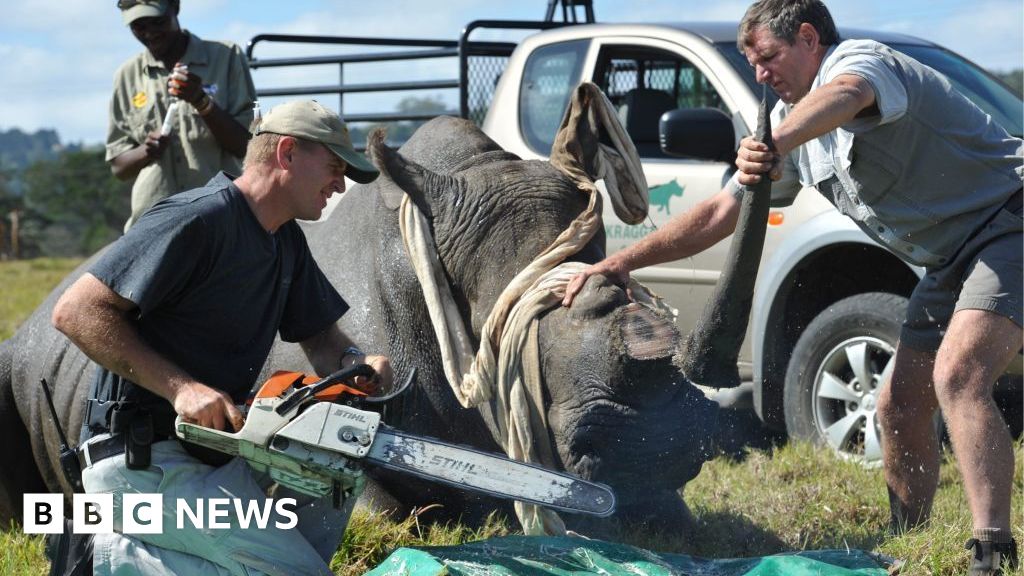
To dehorn a rhino, workers sedate the animal, apply a blindfold and earplugs, and cut off the horn with a power saw. The horn will gradually regrow – an average rhino needs to be dehorned every 1.5 to two years. The process poses a very low risk to the animal and does not hurt it.
“The headline result is that dehorning stood out for its effectiveness. We are cautious to say that the other interventions are not working. They worked when measured by whether they were detecting poachers. But detecting and arresting a load of poachers doesn’t necessarily bend the curve on rhino poaching,” Kuiper said.

In South Africa, rhino poaching remains high, with 103 killed in the first three months of 2025. Last year, 420 were lost. In recent decades, rhino populations have collapsed in Asia and Africa due to poaching and habitat loss, continuing falls driven by European colonial hunters.
But the researchers behind the project, representing the University of Cape Town, Nelson Mandela University, University of Stellenbosch and the University of Oxford and other conservation institutions, cautioned that dehorning rhinos was not a magic bullet. A significant stump of horn mass remains on the rhino after dehorning, and some poachers were still prepared to kill rhinos for this section.
Sharon Haussmann, a pioneer in rhino conservation in South Africa and co-author on the paper, played a leading role in coordinating conservation efforts in the study area. She died unexpectedly at the weekend and Kuiper wanted to highlight the collaboration between different sectors that are often mistrustful of each other in her memory.
“Is a rhino still a rhino without its horn? That’s a bigger question,” said Kuiper.
One study of black rhinos indicated that while poaching rates decreased, dehorned animals became more timid and covered much smaller ranges. Researchers believe that horn is used to establish territories and dehorned rhinos were unable to do this after the procedure.
“We wouldn’t like to keep dehorning them for the next 100 years,” Kuiper said. “Ideally we would like to address the drivers of poaching. But it is better than the impacts of poaching”
This article by Patrick Greenfield was first published by The Guardian on 5 June 2025. Lead Image: Workers tend to a tranquillised rhino after dehorning. The horn will gradually regrow and needs to be treated every 1.5 to two years. Photograph: Siphiwe Sibeko/Reuters.
Wildlife in catastrophic decline
The 73% decline in vertebrate wildlife populations during the last 50 years (mammals, birds, amphibians, reptiles and fish), is primarily driven by human activities that threaten biodiversity.
Habitat Loss and Degradation – human activities like deforestation, urbanization, and agriculture have led to the destruction and fragmentation of natural habitats, reducing the space and resources available for wildlife.
Pollution – air, water, and soil pollution from industrial activities, agriculture, and other sources can harm wildlife directly or indirectly by affecting their habitats and food sources.
Climate Change – changing weather patterns, rising temperatures, and sea levels are disrupting ecosystems and impacting species’ ability to adapt and survive.
Overexploitation of Resources – unsustainable hunting, fishing, and logging practices can lead to the depletion of populations and the loss of biodiversity.
Invasive Species – the introduction of non-native species can disrupt ecosystems, compete with native species, and threaten their survival.
Help to protect wildlife by donating as little as $5. Our conservation partners spend at least 80 percent of the money raised on actual fieldwork rather than administration and fundraising.



Leave a Reply