
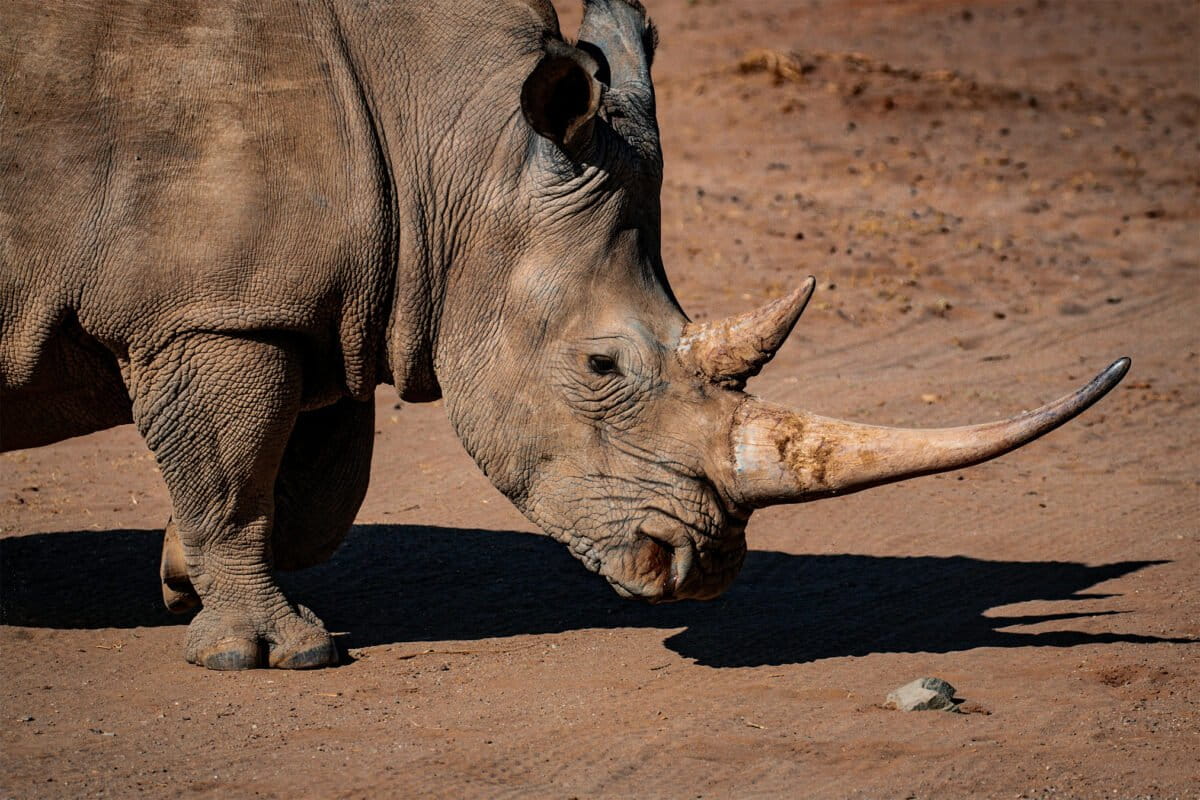
Removing the horns of rhinoceros has been found to be an effective way to drastically reduce poaching of the endangered mammals.
A new study by an international team of researchers found that dehorning results in 78 percent less poaching while using a tiny fraction of the total protection budget.
“Despite decades of conservation efforts, poaching for international trade continues to threaten the existence of the world’s five rhinoceros species while also reducing tourism revenues, entrenching criminal syndicates, threatening ecosystem function, and leading to loss of human life due to violent contacts between rangers and poachers,” the authors wrote in the findings of the study.
The research team looked at data from 11 nature reserves in South Africa’s Greater Kruger region between 2017 and 2023. The landscape is a crucial stronghold that protects roughly 25 percent of all rhinos in Africa, a press release from University of Oxford said.
During the seven-year study period, approximately 6.5 percent of the rhino population in the Greater Kruger area — 1,985 rhinos — was poached annually.
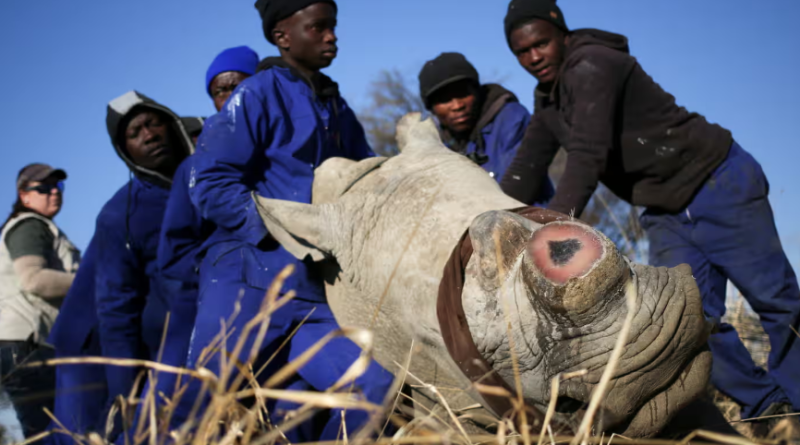
“Dehorning rhinos to reduce incentives for poaching (2,284 rhinos were dehorned across eight reserves) was found to achieve a 78% reduction in poaching using just 1.2% of the overall rhino protection budget,” said lead author of the study Dr. Tim Kuiper, an African biodiversity scientist with Nelson Mandela University, in the press release.

The figure was based on a comparison between sites that incorporated dehorning and those that did not, as well as poaching changes before and after dehorning.
The results showed that there was still some poaching of rhinos who had been dehorned for their horn stumps, as well as regrowth. More recent evidence from 2024 and 2025 suggests that this is an increasing problem. Dehorning could also shift poachers’ focus to populations of horned rhinos in other areas.
“This study has important implications, not just for rhino management, but also more broadly for conservationists planning and implementing interventions. It also suggests that it is worth thinking of ways to reduce the expected profitability of poaching (in this case through dehorning), rather than only focusing on increasing the expected risks and costs,” said co-author of the study E.J. Milner-Gulland, a professor of biodiversity at University of Oxford.
The reserves assessed in the study invested $74 million in anti-poaching methods from 2017 to 2021. Most of these interventions were focused on rangers, detection cameras, tracking dogs, helicopters and access controls, and resulted in more than 700 arrests of poachers. However, the researchers did not find any statistical evidence that the efforts significantly reduced poaching.
“Interventions that work to aid poacher detection and arrest, while a necessary element of the anti-poaching toolkit, are compromised by systemic factors, such as local poverty (driving people to take risks) and corruption. Ineffective criminal justice systems can also mean that arrested offenders often escape punishment,” the press release said.
The project was initially conceived by reserve managers who recognized the need for a critical evaluation of their investments in anti-poaching tactics — from AI cameras to tracking dogs. The Greater Kruger Environmental Protection Foundation (GKEPF) spearheaded the initiative by holding manager workshops and compiling data.
“This collaboration is a brilliant example of how the effectiveness of conservation interventions can be assessed quantitatively, even in challenging and complex situations, and how important the participation of on-the-ground practitioners is in initiating, and interpreting, such research,” Milner-Gulland said.
The results of the study provide an opportunity for governments, NGOs, funders and the private sector to reevaluate their approaches to wildlife crime, in particular rhino poaching.
“The true value of this innovative study, conceived by GKEPF operational managers, lies in its collective critical thinking. Ensuring not only that operations are guided by science, but also that science is grounded in real experience from the frontline,” said CEO of GKEPF Sharon Hausmann.
The study, “Dehorning reduces rhino poaching,” was published in the journal Science.
This article by Cristen Hemingway Jaynes was first published by EcoWatch on 9 June 2025. Lead Image: Two white rhinoceroses, one dehorned to protect it from poaching, in the Manyeleti Reserve in the Kruger Private Reserves area in the Northeast of South Africa on Dec. 8, 2019. Wolfgang Kaehler / LightRocket via Getty Images.
Wildlife in catastrophic decline
The 73% decline in vertebrate wildlife populations during the last 50 years (mammals, birds, amphibians, reptiles and fish), is primarily driven by human activities that threaten biodiversity.
Habitat Loss and Degradation – human activities like deforestation, urbanization, and agriculture have led to the destruction and fragmentation of natural habitats, reducing the space and resources available for wildlife.
Pollution – air, water, and soil pollution from industrial activities, agriculture, and other sources can harm wildlife directly or indirectly by affecting their habitats and food sources.
Climate Change – changing weather patterns, rising temperatures, and sea levels are disrupting ecosystems and impacting species’ ability to adapt and survive.
Overexploitation of Resources – unsustainable hunting, fishing, and logging practices can lead to the depletion of populations and the loss of biodiversity.
Invasive Species – the introduction of non-native species can disrupt ecosystems, compete with native species, and threaten their survival.
Help to protect wildlife by donating as little as $5. Our conservation partners spend at least 80 percent of the money raised on actual fieldwork rather than administration and fundraising.



Leave a Reply