
Wesley Chapel, FL – A Wesley Chapel family is shaken after their rescue dog nearly lost its life in a backyard gator attack that has left the community rattled.
On a recent evening, Zeus, a German Shepherd, exited through his doggy door as usual when an alligator allegedly broke through the backyard fence and grabbed him by the neck before dragging him into a nearby pond.
Family members raced outside with flashlights only to find Zeus struggling for his life, still attached to the reptile.
Their shouts prompted the alligator to release him, allowing the exhausted dog to swim back toward safety.
Covered in blood, Zeus returned to shore in critical condition.
He suffered a fractured jaw that shifted out of place along with multiple puncture wounds around his neck.
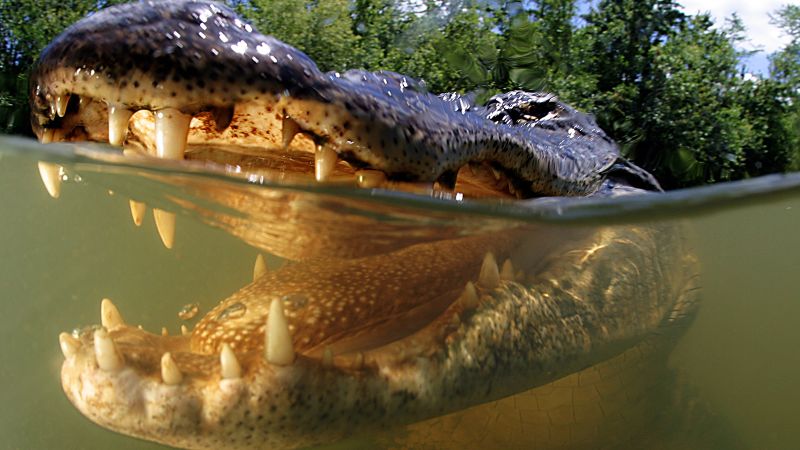
His head was nearly engulfed by the gator’s powerful jaws, leading the veterinarian to express amazement that he could survive the ordeal.
The Florida Fish and Wildlife Conservation Commission deployed trappers to locate the alligator but so far the animal remains at large.
One family member expressed fear for their seven year old sister, wondering if the alligator would have shown the same aggression toward a child.
Zeus has undergone multiple surgeries and is now in recovery.
The family has launched a GoFundMe to help cover mounting medical bills and has received rapid community support.
Wildlife officials in the region are advising residents to secure any pet access points and reinforce fencing around ponds or water features to prevent similar dangerous encounters in the future.
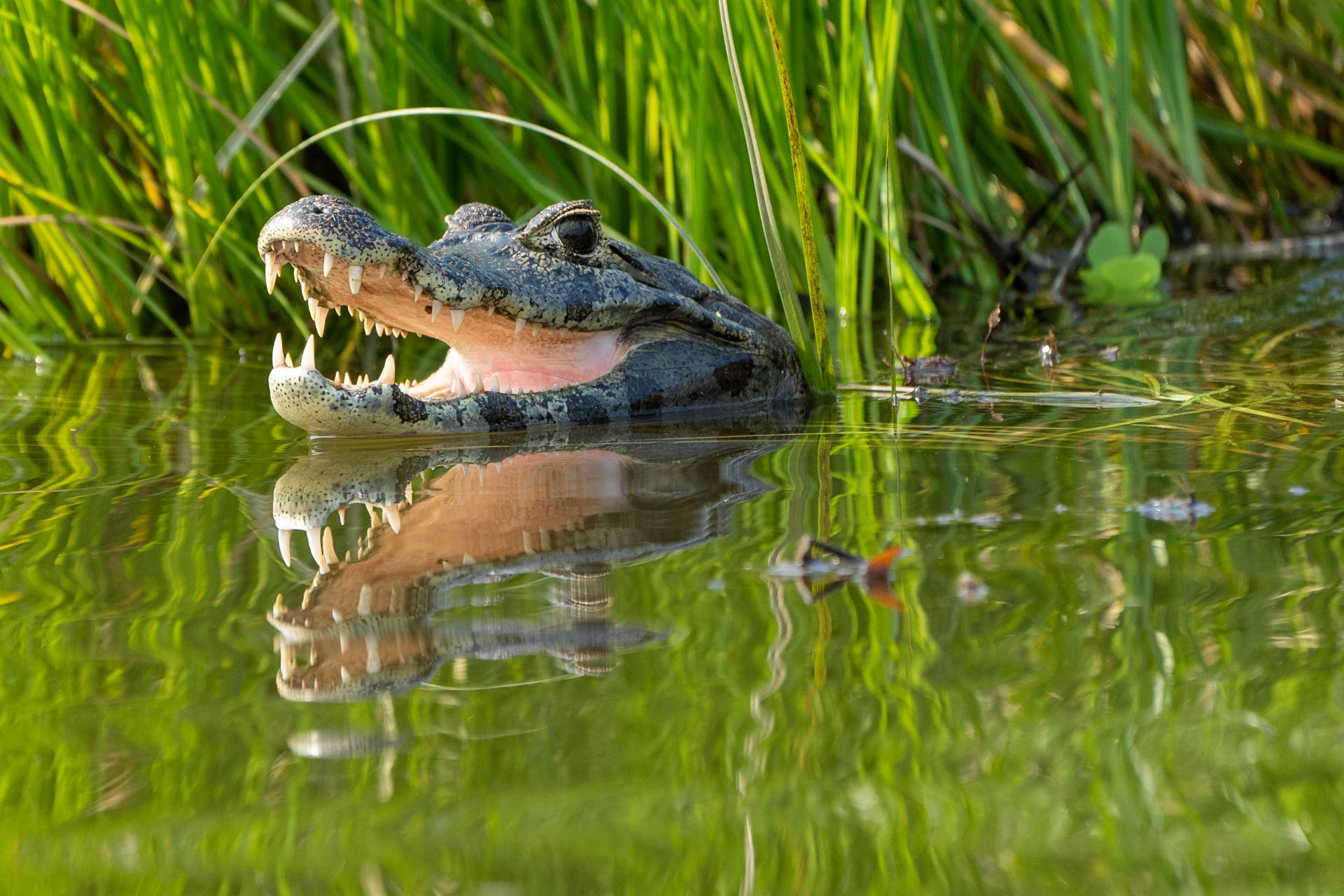
This article by Rob Garguilo was first published by WFLA News on 9 June 2025. Lead Image: Photo: Darrien Land / 500px / Getty Images.
Wildlife in catastrophic decline
The 73% decline in vertebrate wildlife populations during the last 50 years (mammals, birds, amphibians, reptiles and fish), is primarily driven by human activities that threaten biodiversity.
Habitat Loss and Degradation – human activities like deforestation, urbanization, and agriculture have led to the destruction and fragmentation of natural habitats, reducing the space and resources available for wildlife.
Pollution – air, water, and soil pollution from industrial activities, agriculture, and other sources can harm wildlife directly or indirectly by affecting their habitats and food sources.
Climate Change – changing weather patterns, rising temperatures, and sea levels are disrupting ecosystems and impacting species’ ability to adapt and survive.
Overexploitation of Resources – unsustainable hunting, fishing, and logging practices can lead to the depletion of populations and the loss of biodiversity.
Invasive Species – the introduction of non-native species can disrupt ecosystems, compete with native species, and threaten their survival.
 Donate
Help to protect wildlife by donating as little as $5. Our conservation partners spend at least 80 percent of the money raised on actual fieldwork rather than administration and fundraising.




Leave a Reply