
A strange new behavior among chimpanzees in Uganda is raising red flags for scientists studying how diseases spill over from wildlife to humans. According to Earth.com, researchers observed chimps and other animals in Budongo Forest repeatedly eating bat guano as a replacement for lost mineral sources.
For years, chimps relied on Raphia palm trees to provide essential nutrients like sodium and phosphorus. But after most palms were cut down between 2006 and 2012 for tobacco drying fibers, the animals lost a critical food source. By 2017, cameras recorded chimps turning to guano piles beneath bat roosts, seeking the minerals concentrated in the droppings.
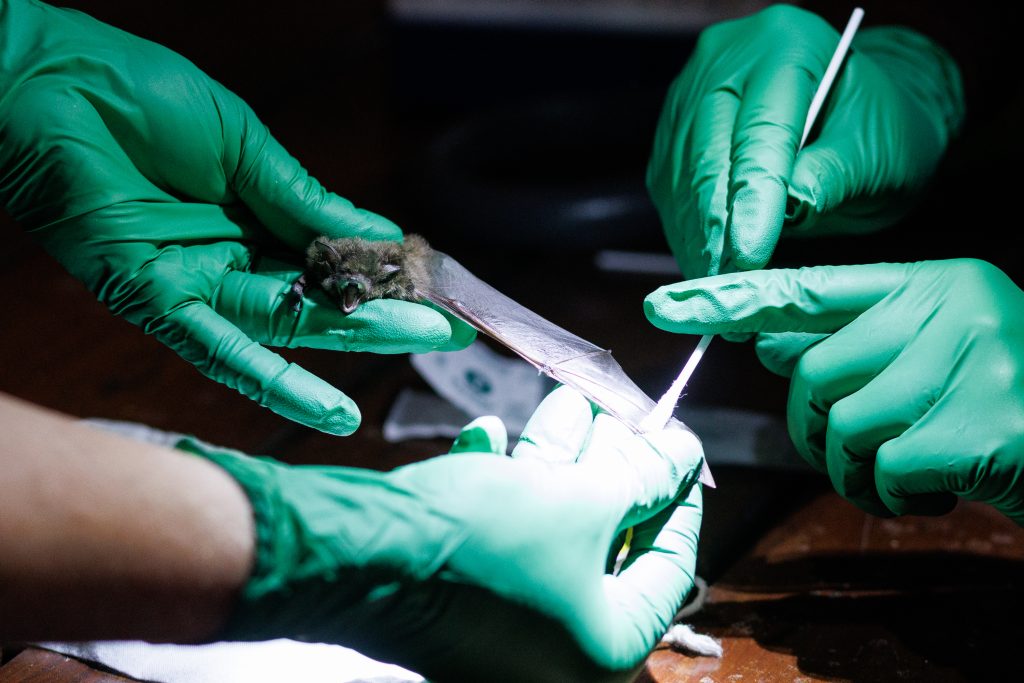
Guano tests revealed not only the minerals but also genetic traces of 27 different viruses, including a previously unknown betacoronavirus. While no new illnesses have been reported among the chimps, this repeated exposure shows how landscape changes can create fresh pathways for viruses to spread across species.
It’s a striking reminder that small human decisions — in this case cutting trees — can trigger major shifts in animal behavior with ripple effects for global health.
The findings highlight the need for “upstream” solutions. Protecting natural resources like palms would have kept the original mineral buffet in place, sparing chimps the risky fallback.
Instead of blaming bats or primates, scientists urge a One Health approach, recognizing that human, animal, and environment health are intertwined. By maintaining intact ecosystems and offering sustainable alternatives to local communities, we reduce the risky overlaps where viruses can jump.
As forests are reshaped by logging, farming, and development, more such contact points are likely to appear.
The lesson from Budongo is clear: prevention starts with protecting the habitats and resources animals depend on.
Every missing tree or altered landscape could open a door to the next pandemic — but keeping those links intact can help keep both animals and people safe.
This article by Nicholas Vincent was first published by One Green Planet on 24 September 2025. Lead Image Credit: Martin Pelanek/Shutterstock.
What you can do
Help to protect wildlife by donating as little as $5 – it only takes a minute!
 Donate
Our conservation partners spend at least 90 percent of the money raised on actual fieldwork rather than administration and fundraising.




Leave a Reply