
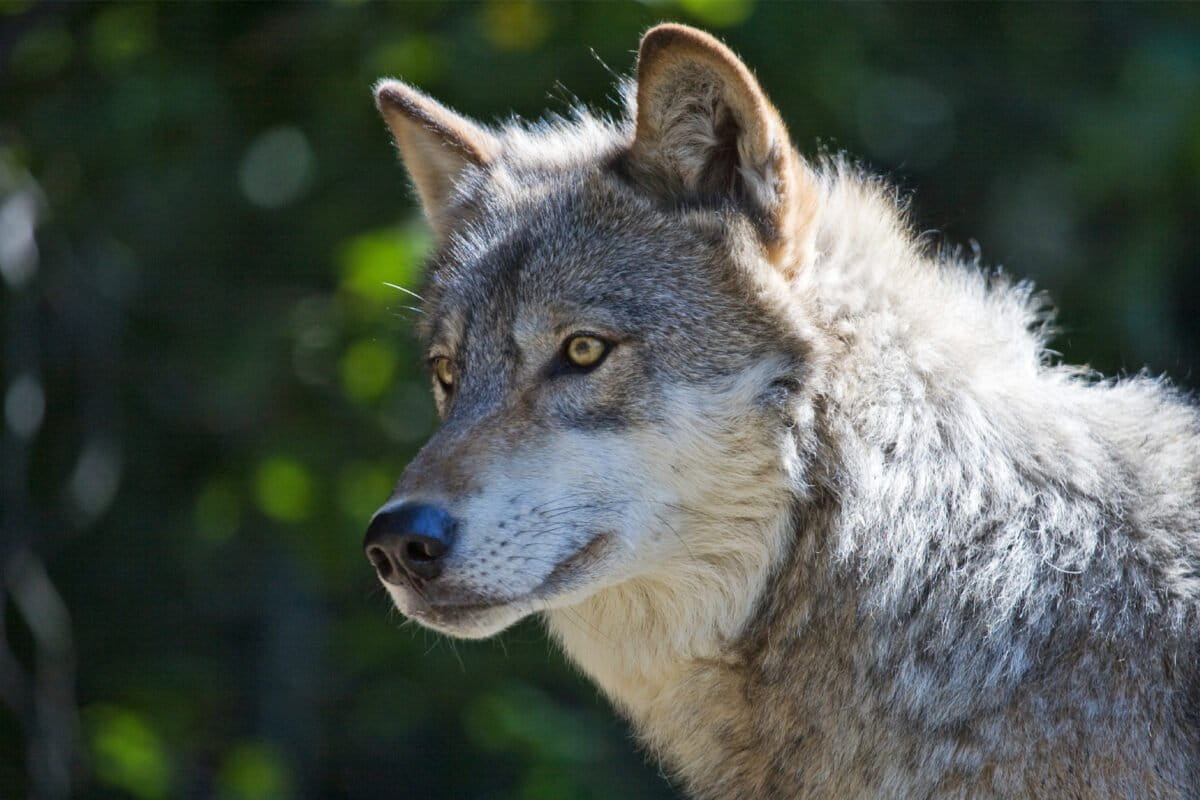
The Biden administration was reportedly moving to revive a damaging Trump-era rule that stripped gray wolves of Endangered Species Act protections.
If allowed, this Trump-era rule would reopen the door to state-led hunts—particularly in regions like the Great Lakes—risking mass killings and a reversal of decades of recovery.
It’s a sharp U-turn from President Biden’s campaign promises on wildlife Conservation.
Gray wolves are vital to the health of ecosystems. Their reintroduction in Yellowstone helped balance prey populations and restore habitats.
Stripping away protections now could undo this progress, putting these keystone animals at serious risk from hunting and habitat loss once again.
It’s not too late to act. Sign the petition now and demand that the new President fully reinstate federal protections for gray wolves.
They belong in the wild—not in the crosshairs.

This article by Nicholas Vincent was first published by One Green Planet on 14 July 2025. Lead Image Credit :photomaster/Shutterstock.
Wildlife in catastrophic decline
The 73% decline in vertebrate wildlife populations during the last 50 years (mammals, birds, amphibians, reptiles and fish), is primarily driven by human activities that threaten biodiversity.
Habitat Loss and Degradation – human activities like deforestation, urbanization, and agriculture have led to the destruction and fragmentation of natural habitats, reducing the space and resources available for wildlife.
Pollution – air, water, and soil pollution from industrial activities, agriculture, and other sources can harm wildlife directly or indirectly by affecting their habitats and food sources.
Climate Change – changing weather patterns, rising temperatures, and sea levels are disrupting ecosystems and impacting species’ ability to adapt and survive.
Overexploitation of Resources – unsustainable hunting, fishing, and logging practices can lead to the depletion of populations and the loss of biodiversity.
Invasive Species – the introduction of non-native species can disrupt ecosystems, compete with native species, and threaten their survival.
Help to protect wildlife by donating as little as $5. Our conservation partners spend at least 80 percent of the money raised on actual fieldwork rather than administration and fundraising.


Leave a Reply