
A 12-year-old girl in North Carolina endured a terrifying alligator attack. The incident shook the community, highlighting the critical importance of human-wildlife coexistence.
What happened?
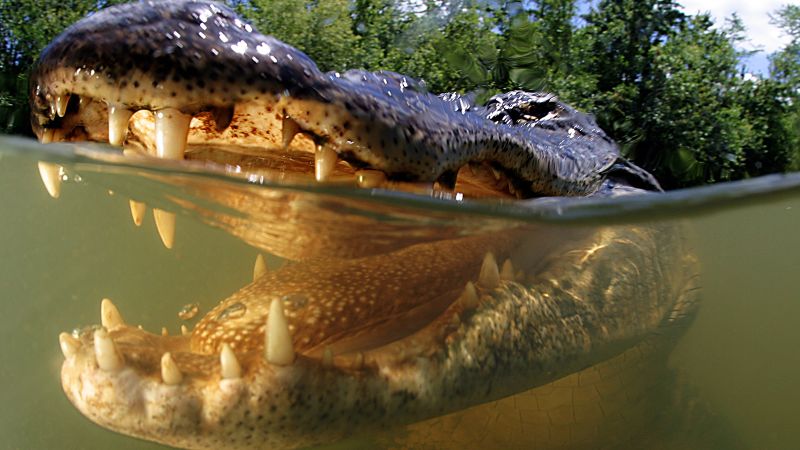
According to People Magazine, children were playing last month in Lake Waccamaw when the little girl screamed, “Something bit me!” The water was four feet deep where the alligator emerged, according to the Lake Waccamaw Police Department.
Chief of Police Scott Hyatt told People they thought the gator was six to seven feet long. It was later measured to be over 12 feet, a “monster” in his eyes.
“The injuries sustained were serious, but not life-threatening in any way,” police stated. The girl is recovering, needing “a few stitches and, other than that, she’s doing great,” Hyatt said.
The North Carolina Wildlife Resources Commission (NCWRC) confirmed that the alligator was “neutralized.” This is done for public safety and is standard procedure for human-animal encounters.
Why is this alligator attack important?
This incident was the first alligator attack in Lake Waccamaw’s history, a rare occurrence despite a population of around 570 alligators.
NCWRC alligator biologist Alicia Wassmer said the unprovoked animal’s behavior was unusual. Wassmer explained that aggressive actions are “very much associated with alligators that have been fed.”
If people feed animals and predators, they can begin to associate people with food. Actions like this raise concerns about animals losing their natural fear of humans. These animals will seek out human presence, resulting in potentially dangerous encounters.
Growing human populations are expanding into natural habitats. Conflicts with wildlife are becoming more frequent. Protecting our environment can help protect our communities.
To achieve this, we must limit risky human-wildlife interactions. At the same time, we need to promote biodiversity and thriving natural ecosystems.
What’s being done about alligator encounters in North Carolina?
Authorities emphasized the importance of public education and responsible behavior to prevent such incidents. The NCWRC affirmed that feeding alligators is “illegal in most states, and dangerous.”
The police department also issued guidance for those enjoying the lake. “Please respect the water and understand these animals are not tame or pets. If you see one, maintain a safe distance at all times. And exit the water if you are in it.”
It starts with individuals doing their part. The next crucial step is conservation efforts.
Protecting and restoring natural habitats stops wildlife from venturing into human-dominated areas. Introducing policies that ensure proper waste management helps avoid attracting animals.
By minimizing human-wildlife conflict, both people and animals can coexist peacefully.
This article by Brent Wiggins was first pubished by TCD on 14 uly 2025. Lead Image: iStock.
Wildlife in catastrophic decline
The 73% decline in vertebrate wildlife populations during the last 50 years (mammals, birds, amphibians, reptiles and fish), is primarily driven by human activities that threaten biodiversity.
Habitat Loss and Degradation – human activities like deforestation, urbanization, and agriculture have led to the destruction and fragmentation of natural habitats, reducing the space and resources available for wildlife.
Pollution – air, water, and soil pollution from industrial activities, agriculture, and other sources can harm wildlife directly or indirectly by affecting their habitats and food sources.
Climate Change – changing weather patterns, rising temperatures, and sea levels are disrupting ecosystems and impacting species’ ability to adapt and survive.
Overexploitation of Resources – unsustainable hunting, fishing, and logging practices can lead to the depletion of populations and the loss of biodiversity.
Invasive Species – the introduction of non-native species can disrupt ecosystems, compete with native species, and threaten their survival.
 Donate
Help to protect wildlife by donating as little as $5. Our conservation partners spend at least 80 percent of the money raised on actual fieldwork rather than administration and fundraising.



Leave a Reply