
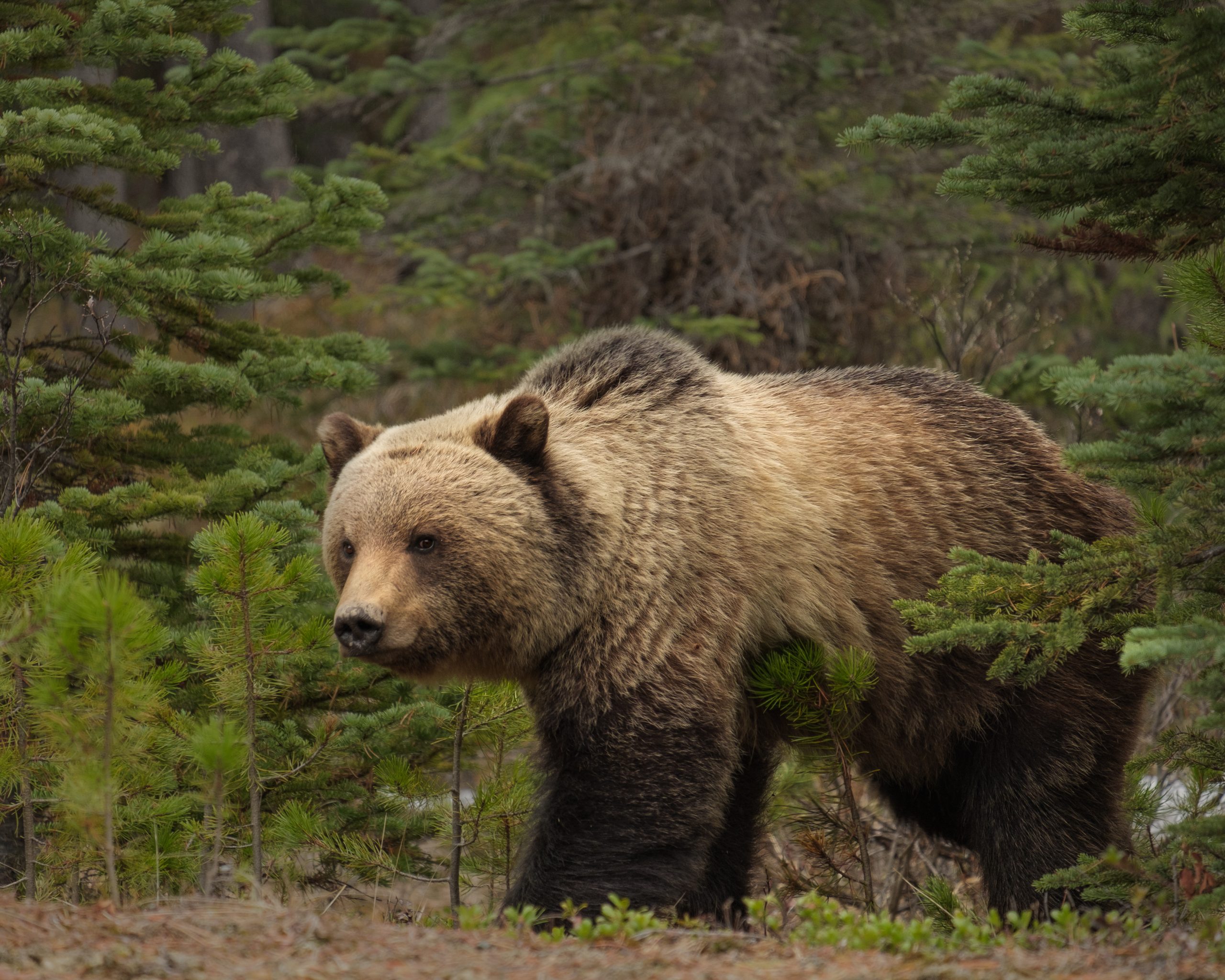
A woman was mauled by a grizzly bear while hiking on a popular trail near Anchorage, officials say.
The hiker, who has not been identified, was on the Basher Trail in the Chugach Mountains in Anchorage at around 2:30pm on July 22 when the bear attacked, according to The Anchorage Fire Department.
The bear reportedly ran off after the attack, which left the woman unable to walk as she called 911 for assistance.
“The hiker reported they could not get out on their own due to injuries sustained in the mauling,” states the AFD in its report.
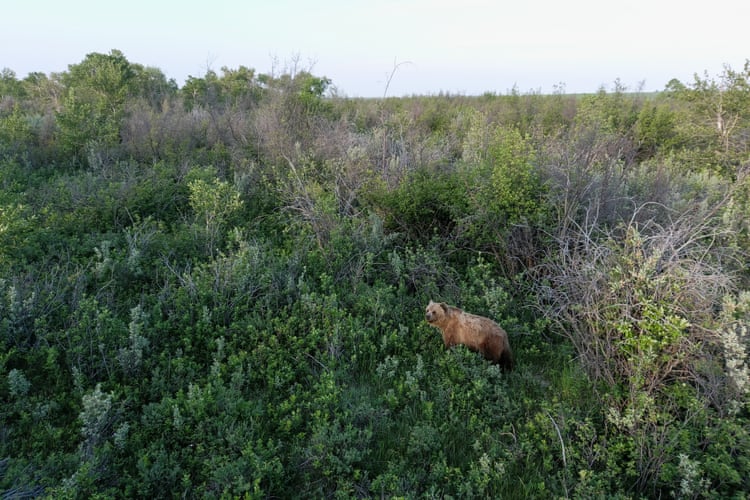
Multiple agencies, including Anchorage PD, Alaska Department of Fish and Game and Alaska State Troopers responded and used drone technology to locate the woman, which took around one hour. She was then airlifted from the scene to the hospital. Anchorage Police spokesperson Christopher Barraza tells Anchorage News Daily that the woman’s injuries are “non-life threatening.”
Now, the Alaska Department of Fish and Game has closed the area while it conducts searches for the bear, and officials are advising everyone in the vicinity to brush up on their bear safety and carry bear spray, despite the rarity of bear attacks in the Chugach mountains.

If you’re running, hiking or camping in grizzly country, always carry bear spray and know how to use it.
It’s also important to know exactly what to do if you meet a bear to stay safe. If you are charged or approached by a grizzly bear, it’s best to leave your backpack on and play dead.
As scary as that might sound, it’s a defensive maneuver to help keep you as safe as possible. Lie flat on your stomach with your hands clasped behind your neck. Spread your legs to make it harder for the bear to turn you over. Remain as motionless as possible until the bear leaves the area.
Fighting back usually increases the intensity of such attacks. However, if the attack persists, fight back vigorously with whatever you have at hand – a branch, rocks, one of your boots – to hit the bear in the face. Learn more in our article on what to do if you meet a bear.
This article by Julia Clarke was first published by Advnture on 24 July 2025. Lead Image: The hiker was mauled by the bear on a trail near Anchorage (Image credit: Getty).
Wildlife in catastrophic decline
The 73% decline in vertebrate wildlife populations during the last 50 years (mammals, birds, amphibians, reptiles and fish), is primarily driven by human activities that threaten biodiversity.
Habitat Loss and Degradation – human activities like deforestation, urbanization, and agriculture have led to the destruction and fragmentation of natural habitats, reducing the space and resources available for wildlife.
Pollution – air, water, and soil pollution from industrial activities, agriculture, and other sources can harm wildlife directly or indirectly by affecting their habitats and food sources.
Climate Change – changing weather patterns, rising temperatures, and sea levels are disrupting ecosystems and impacting species’ ability to adapt and survive.
Overexploitation of Resources – unsustainable hunting, fishing, and logging practices can lead to the depletion of populations and the loss of biodiversity.
Invasive Species – the introduction of non-native species can disrupt ecosystems, compete with native species, and threaten their survival.
Help to protect wildlife by donating as little as $5. Our conservation partners spend at least 80 percent of the money raised on actual fieldwork rather than administration and fundraising.



Leave a Reply