
According to CBS News, the Smithsonian Conservation Biology Institute (SCBI) in Virginia is quietly working to pull species back from the brink of extinction.
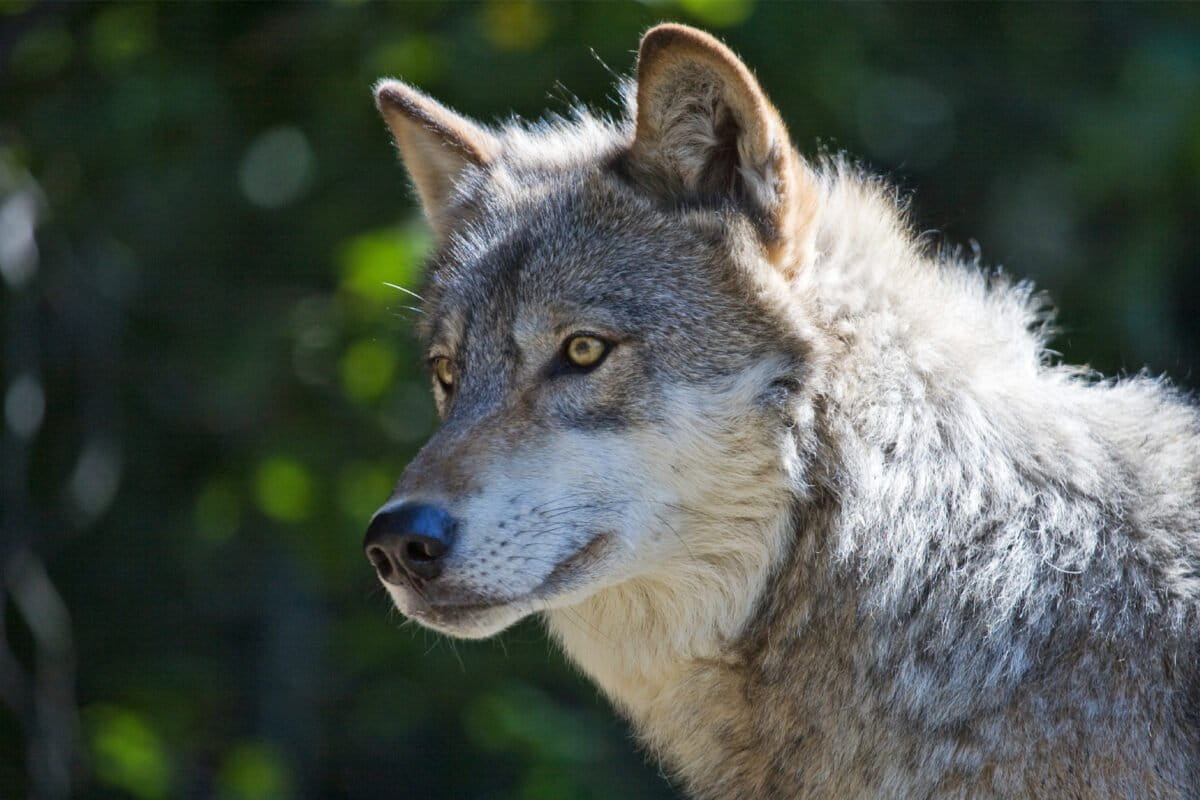
On its 32,000-acre campus in the foothills of the Blue Ridge Mountains, more than 20 at-risk species — from red pandas to maned wolves and even Mongolia’s Przewalski’s horse — are being studied, bred, and in some cases reintroduced into the wild.
The scientists at SCBI focus on reproduction, genetics, migration, and ecology, aiming not only to save individual animals but to ensure long-term sustainability of ecosystems.
Their work highlights how every species plays a vital role in balance. Conservation biologist Melissa Songer warns that species are disappearing 10 to 1,000 times faster than the natural background rate, with the International Union for Conservation of Nature estimating that 28% of the world’s species are now at risk of extinction.
This includes not just wildlife but crucial plants, trees, and insects that Support human survival.
The black-footed ferret is a prime example of SCBI’s efforts. Once thought nearly lost, it has been on the endangered list since 1967.
Through careful breeding, the institute has helped increase its population, with around 60 young ferrets being prepared for release into Colorado this fall.
Cheetah biologist Adrienne Crosier explains that removing even one species creates imbalance: predators lose food, prey populations surge unchecked, and entire ecosystems unravel.
This work shows how Conservation is about more than saving charismatic species — it’s about protecting the planet we all share. From tiny insects pollinating our crops to predators keeping ecosystems in check, every creature matters.
Supporting biodiversity safeguards not just health and stability in the natural world but also the foundations of human life.
As extinctions accelerate, projects like SCBI’s remind us that protecting life is possible with enough care, funding, and collective will.
This article by Nicholas Vincent was first published by One Green Planet on 29 August 2025. Lead Image Credit: Alexey Kharitonov/Shutterstock.
Help to protect wildlife
Help to protect wildlife by donating as little as $5 – it only takes a minute!
 Donate
Our conservation partners spend at least 90 percent of the money raised on actual fieldwork rather than administration and fundraising.


Leave a Reply