
In Australia’s latest survey of whale populations, humpbacks have been seen migrating north along the eastern coastline in record numbers.
Over 5,000 confirmed sightings were made by mariners and others in the state of New South Wales so far, as the animals make their way out of the southern oceans with their calves.
The Organization for the Rescue and Research of Cetaceans (ORRCA) held its 26th annual whale census, an activity which over 600 citizen scientists participated in. Bringing binoculars, flasks of hot tea, folding chairs, and their kids, they lined 159 individual locations along the coast of NSW hoping to catch a glimpse of some of the largest animals on the planet.
“It’s a wild species coming right on our doorstep and they’re just magnificent creatures,” Caroline Jones, who has volunteered with ORRCA for more than three years, told ABC News AU.
In the 1960s, perhaps a few hundred humpback and minke whales would pass north along Australia’s east coast. Still more than a decade away from the international whaling moratorium of the 1980s, their populations were heavily depleted.
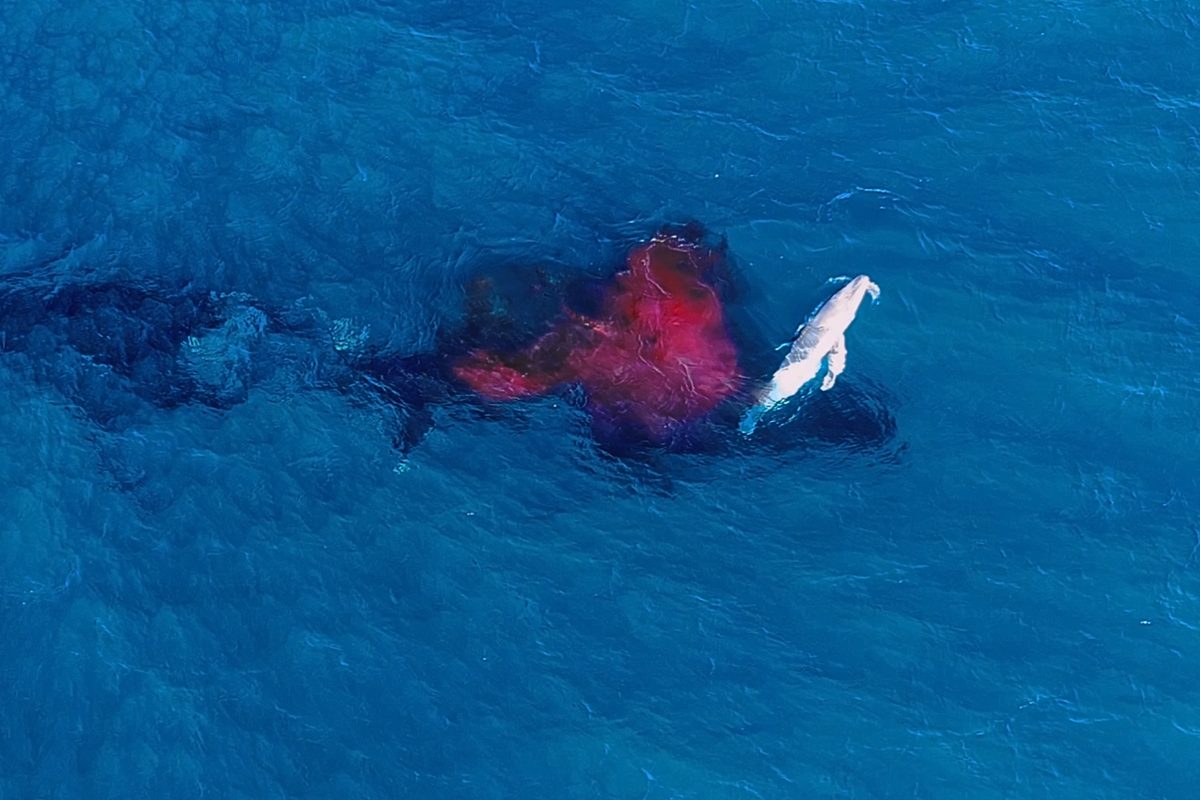
Preyed upon only rarely by orcas and great white sharks, humpback whales‘ primary threats come from illness, ship strikes, or auditory trauma. Since the moratorium came into effect, the humpback populations around the world have grown remarkably, and it’s excepted that 40,000 will make the trip north from Antarctica this year.
The ORRCA census tries to track numbers of animals as well as species they belong to, along with individual size and health.
ABC News reports that the count is still ongoing, as the whales’ migratory period lasts until August.
This article by Andy Corbley was first published by Good News Network on 4 July 2025. Lead Image: A humpback whale in Australian waters – credit, supplied by Jenn Leayr.
Wildlife in catastrophic decline
The 73% decline in vertebrate wildlife populations during the last 50 years (mammals, birds, amphibians, reptiles and fish), is primarily driven by human activities that threaten biodiversity.
Habitat Loss and Degradation – human activities like deforestation, urbanization, and agriculture have led to the destruction and fragmentation of natural habitats, reducing the space and resources available for wildlife.
Pollution – air, water, and soil pollution from industrial activities, agriculture, and other sources can harm wildlife directly or indirectly by affecting their habitats and food sources.
Climate Change – changing weather patterns, rising temperatures, and sea levels are disrupting ecosystems and impacting species’ ability to adapt and survive.
Overexploitation of Resources – unsustainable hunting, fishing, and logging practices can lead to the depletion of populations and the loss of biodiversity.
Invasive Species – the introduction of non-native species can disrupt ecosystems, compete with native species, and threaten their survival.
 Donate
Help to protect wildlife by donating as little as $5. Our conservation partners spend at least 80 percent of the money raised on actual fieldwork rather than administration and fundraising.



Leave a Reply