
Visitors to Grand Teton National Park in Wyoming have been urged to keep their wits about them after a slew of shoe heists in recent weeks.
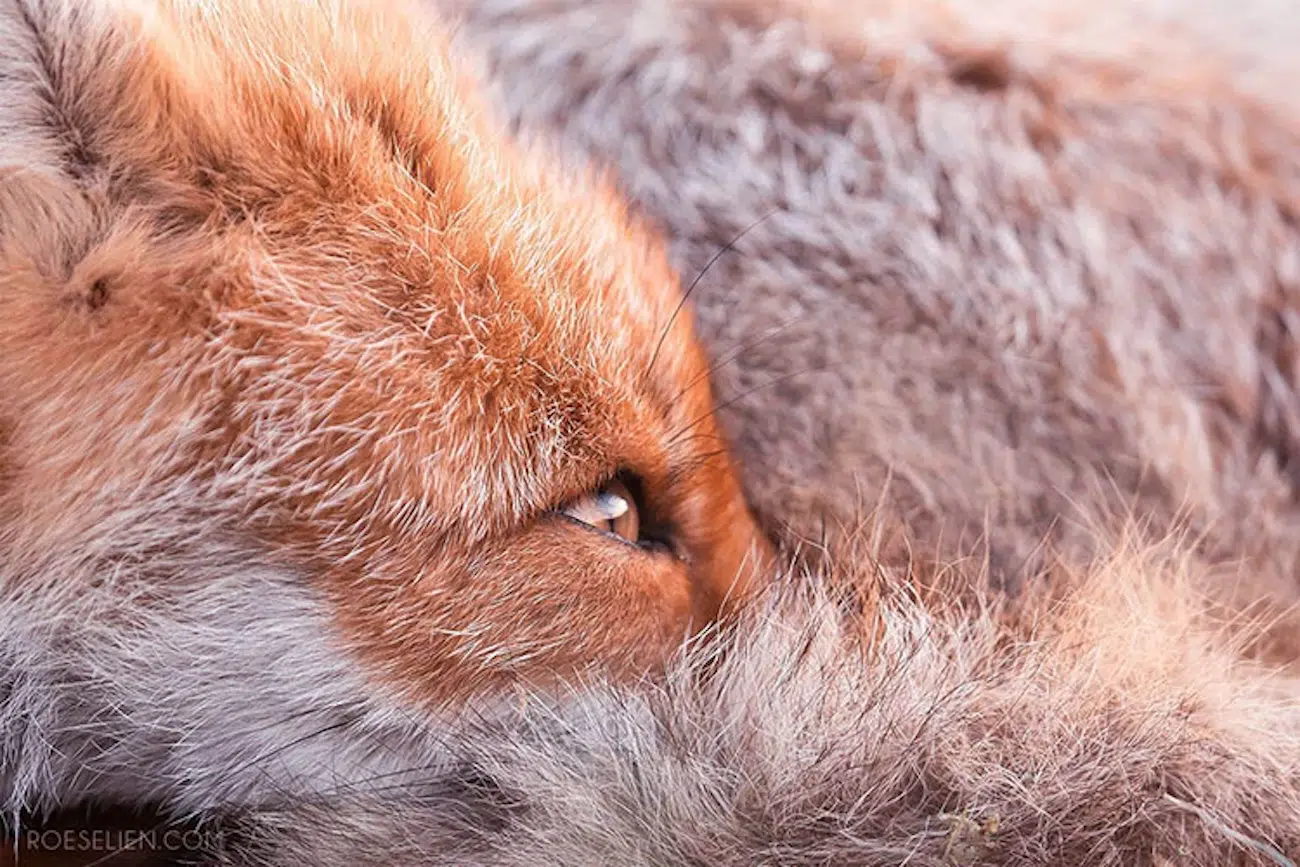
National Park Service rangers say that at least 32 pairs have been stolen from campers in the area, and are pointing the blame at a furry bandit in ‘Wanted’ posters that have been hung around the park.
‘Wanted for grand theft footwear,’ reads one poster, which describes a shoe-stealing fox who goes by the aliases: ‘Sneaker Snatcher’, ‘Midnight Mismatcher’, and ‘Swiper the Fox’.
The posters appeared three weeks ago after the fox stole 19 pairs of shoes in a matter of weeks. They were designed to stop visitors leaving their footwear outside, but don’t seem to have done the trick, as a further 32 pairs have been stolen since.
View this post on Instagram
It might sound like a joke, but officials insist that the warnings are genuine and that visitors’ shoes are in real danger of ending up in a fox’s den if they’re not stored safely.
NPS spokesperson Emily Davis told Backpacker: “We were trying to educate our visitors in a fun way about this fox and not to habituate it.”
Officials aren’t sure why the fox, or possible group of foxes, has taken a liking to visitors’ footwear. Some think it could be attracted to sweat left inside, while others say it could see shoes as something to play with.
Park officials are keen to stress the problems with shoe-stealing foxes, who could be getting too comfortable around humans.
“It’s a problem for the fox to get acclimated to humans because it may need to be relocated or, in the worst-case scenario, euthanized,” reads the same Instagram post.
The NPS has issued the following advice for campers staying in Grand Teton.
- Store your shoes and other scented items in a secure location like a bear box. Keep them inside your tent at the very least.
- Don’t bait wildlife with your belongings.
- If a fox shows up at your camp, scare it away with lots of noise.
This article by Will Symons was first published by Advnture on 18 July 2025. Lead Image: A red fox in Grand Teton National Park (stock image) (Image credit: Getty Images).
Wildlife in catastrophic decline
The 73% decline in vertebrate wildlife populations during the last 50 years (mammals, birds, amphibians, reptiles and fish), is primarily driven by human activities that threaten biodiversity.
Habitat Loss and Degradation – human activities like deforestation, urbanization, and agriculture have led to the destruction and fragmentation of natural habitats.
Overexploitation of Resources – hunting, fishing and wildlife trafficking lead to the depletion of populations and the loss of biodiversity.
Invasive Species – the introduction of non-native species disrupt ecosystems, compete with native species, and threaten their survival.
Pollution – air, water, and soil pollution from industrial activities, agriculture, and other sources harm wildlife directly or indirectly by affecting their habitats and food sources.
Climate Change – changing weather patterns, rising temperatures, and sea levels are disrupting ecosystems and impacting species’ ability to adapt and survive.
Help to protect wildlife
Help to protect wildlife by donating as little as $5 – it only takes a minute!
 Donate
Our conservation partners spend at least 90 percent of the money raised on actual fieldwork rather than administration and fundraising.




Leave a Reply