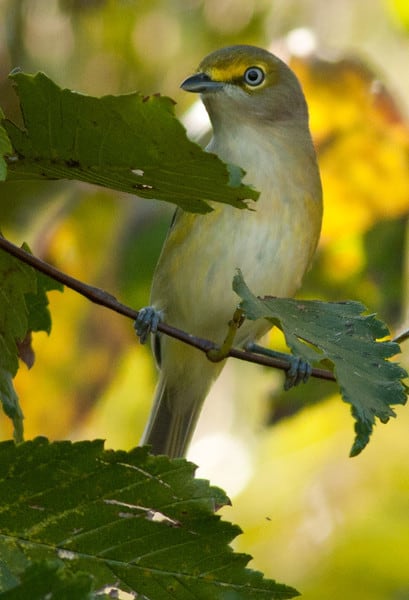
White-eyed Vireos are pretty fun. They’re a bird you’ll probably learn to identify by their call much more easily than by sight. Not because they are hard to identify–their white eyes are pretty distinctive. But they don’t always present themselves to be seen, even though I hear them all the time.
Category: Blogs


Migration resumes
The 7th Eilat Bird Festival is behind us and despite not getting to our usual final checklist of 240 species, we stillmanagedto get a nice assembly of species, some not very commonly seen neither at any of the past festivals nor every spring like these Hill Sparrow,Black Bush Robins &PharaohEagle Owland no less than 3 […]

Red kite up close
Mivus milvus – Accipitriformes – Accitridae – Their population is very low compared to that of the Black kite. Only 2500 to 3000 couples are known in France and 20 000 elsewhere, mostly in Europe. Their wingspan exceeds easily 1.50 m; as with almost all other raptors the female is the largest. I feel quite […]
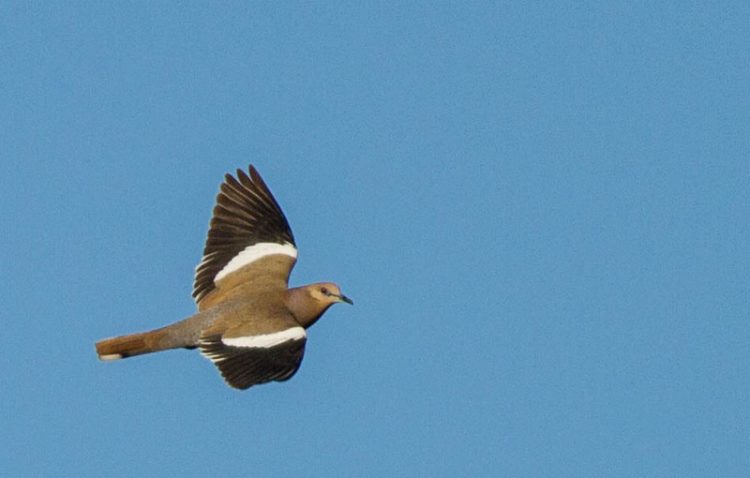
Barber Park, 3/14/2013
Yesterday morning I had to take my car to CarMax get the breaks fixed. I had an early morning meeting so I also had a little time to kill. So I dropped by the nearest birding hotspot I could find at Barber Park. It’s a pretty little park just west of rte 436 between rtes […]
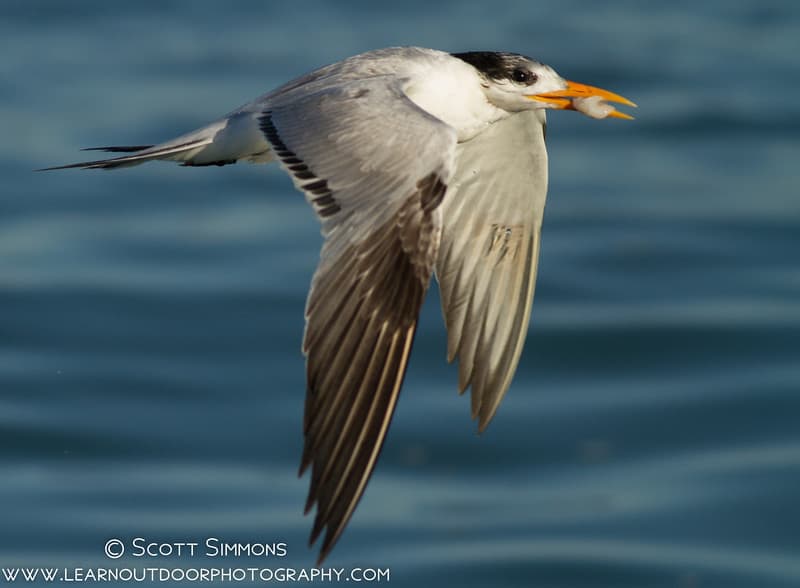
Exposure Compensation for Wildlife Photography
I’m teaching at a Camera Club tonight, and the topic will be exposure compensation for wildlife photography. I wrote a three page handout and also put together a PowerPoint presentation for tonight. I thought some of you may want to see these, so I’m including a couple links to them here: Lesson Handouts Lesson PowerPoint Feel free […]
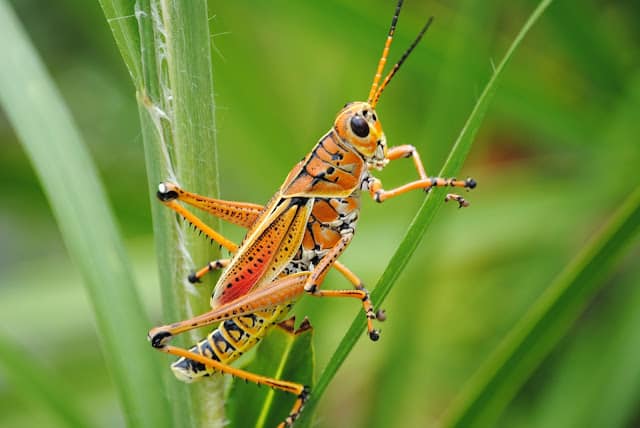
Eastern Lubber Grasshopper (Romalea microptera)
Grasshoppers are common insects. Often seen and heard during thewarmer months here in the U.S., they are symbolic of summer and outdoor activities. In Florida the Eastern Lubber (Romalea microptera) is our most observed species. They are large (3 inches), brightly colored, flightless and slow moving. Lubber’s distribution is in the “U.S Subtropics,” as you […]

Rats, here we go again ???
Last night I was rung by the Local Dept of Conservation Field Manager. She told me DoC had just caught 3 rats on Ulva Island. This is sodisappointing, not that a rat has re-invaded, which was always known would happen but that three were caught over the same trap period. We can only hope that […]