After some early morning birding around the guest house at Dalanzadgad which produced much the same as yesterday including Isabelline Shrike,Pallas’s Bunting, Red-throated Thrush and Long-toed Stint we packed our bags and headed into the Gurvan Saikhan National Park around 45 minutes away.

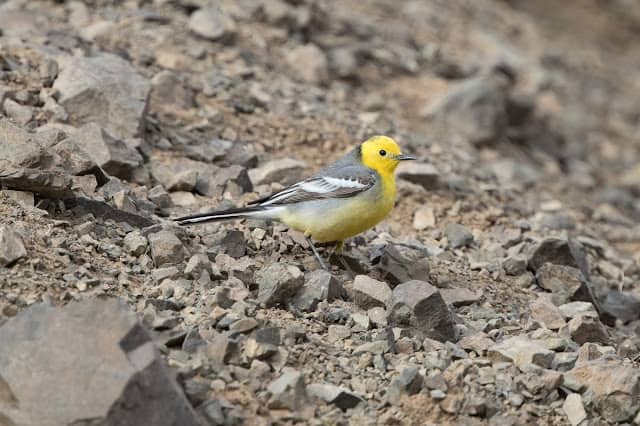
Citrine Wagtail– Gurvan Saikhan National Park

Isabelline Shrike – Delanzadgad
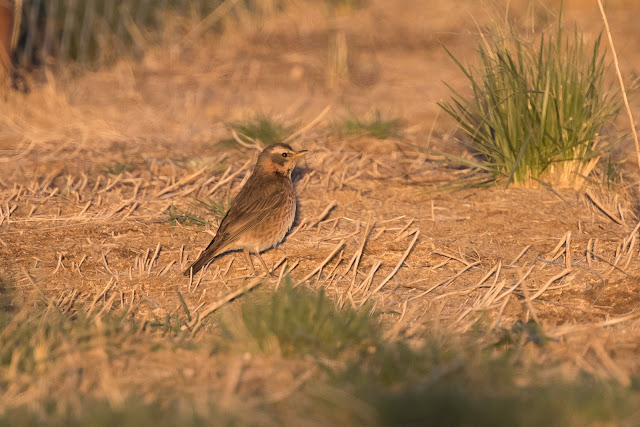
Naumann’s Thrush – Dalanzadgad
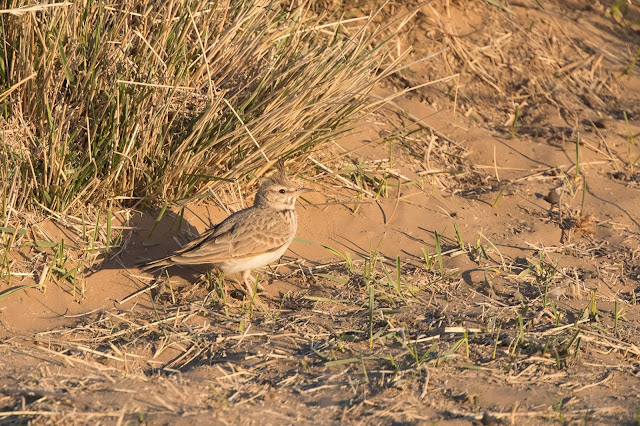
Crested Lark – Dalanzadgad
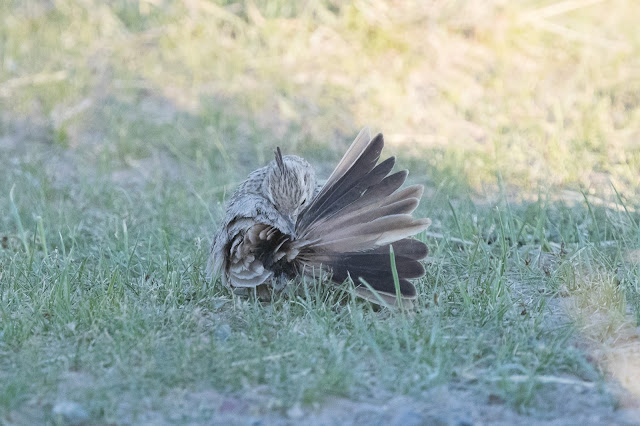
Crested Lark preening and showing the tail pattern nicely- Dalanzadgad

Long-toed Stint – Dalanzadgad

Long-toed Stint – Dalanzadgad
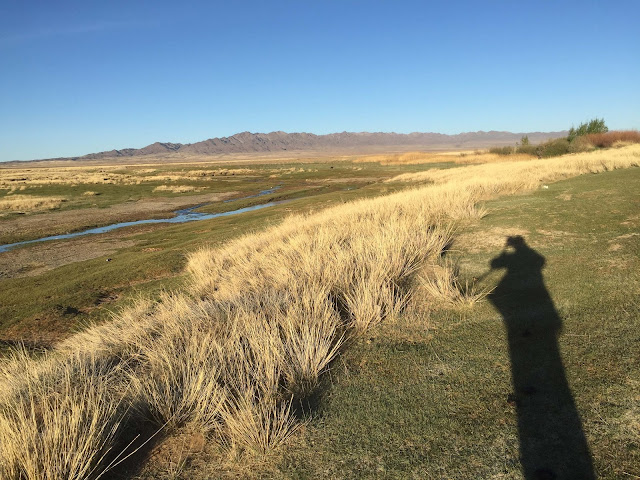
The habitat outside our guest house at Dalanzadgad, the bushes to the right supported many passerines while the stream links to a reservoir to the left and out of few and was excellent for waders and wildfowl.
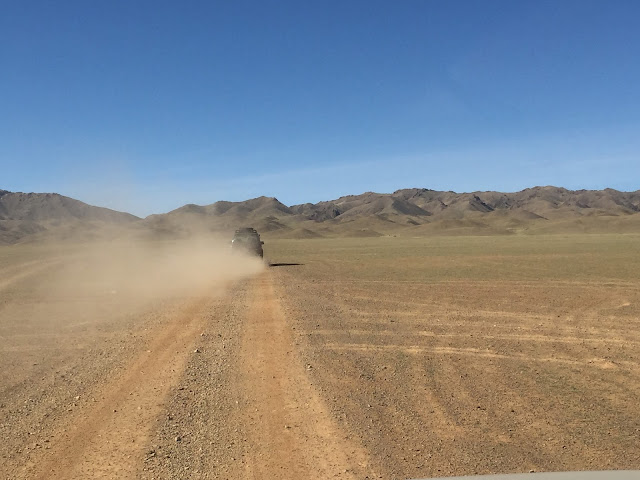
Heading towards the Gurvan Saikhan National Park

Heading into the Gurvan Saikhan National Park
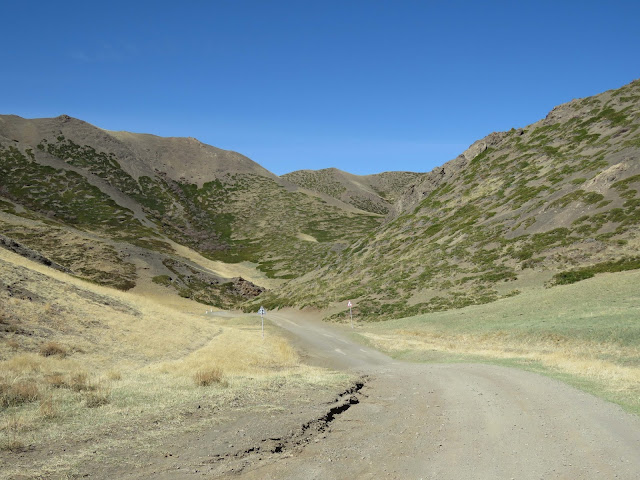
The Heading into the Gurvan Saikhan National Park
Gurvan Saikhan National Parkis a spectacular mountainous park dominated by barren peaks and lightly vegetated valleys. The park was established in 1993 and extends to nearly 27,000 square kilometres. It is the largest national park in Mongolia, stretching 380 km from east to west and 80 km from north to south. The park is named for the Gurvan Saikhan Mountains in which it is located.
A short way into the park a quick stop and a walk produced our first Mongolian Accentor, Brown Accentor and a White’s Thrush. We headed to the parking spot at Yolyn Am and walked the valley to an area known as “Vulture’s Bedroom’. This produced Taiga Flycatcher, Little Bunting, Brown Accentor, Lammergeier, Koslov’s Accentor, Tree Pipit, Northern Wheatear, Isabelline Wheatear, White’s Thrush, Guldenstadt’s Redstart, Chinese Beautiful Rosefinch and a stunning Wallcreeper.
It was evident that the valley supported good numbers of migrants and we were amazed at how these species must migrant from south-east Asia, perhaps over the Himalayas, then across the vast and hostile Gobi Desert to find themselves in a remote mountain valley with an onward journey into Russia yet to face.
We headed to our campsite for lunch set within a beautiful mountain valley and ate a rather large lunch of a dish known as Mimosa which basically consisted of egg and salad followed by rice and meat.

Isabelline Wheatear was common with many birds on territory and performing a rather spectacular and noisy display flight – Gurvan Saikhan National Park.
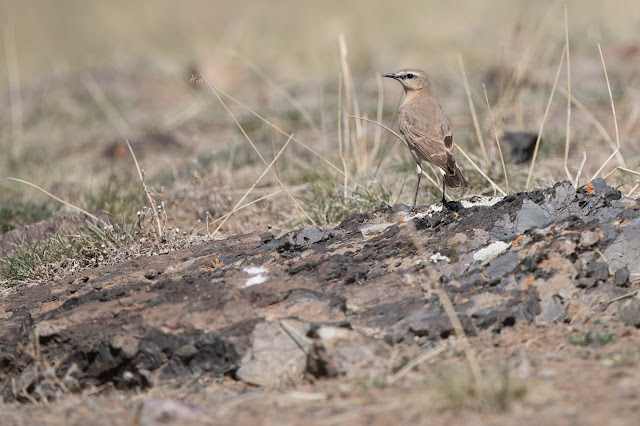
Isabelline Wheatear – Gurvan Saikhan National Park
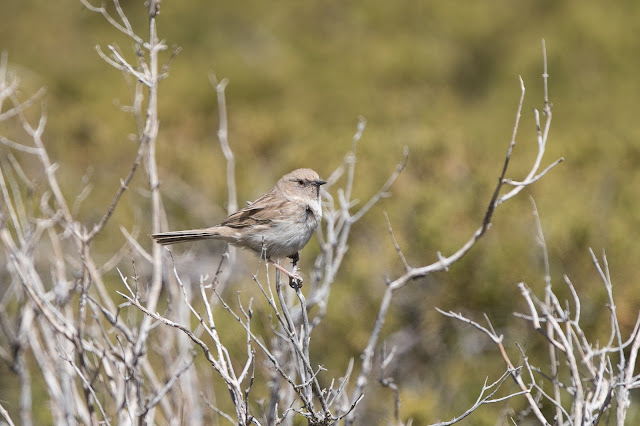
Mongolian Accentor, like a drab Dunnock but confined to Mongolia as a breeding species – Gurvan Saikhan National Park.
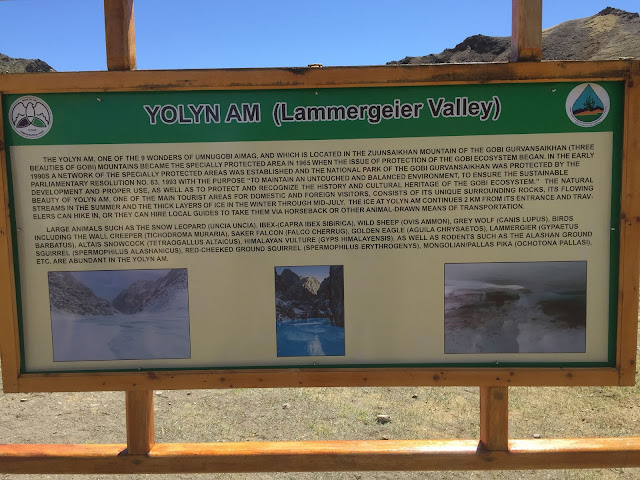
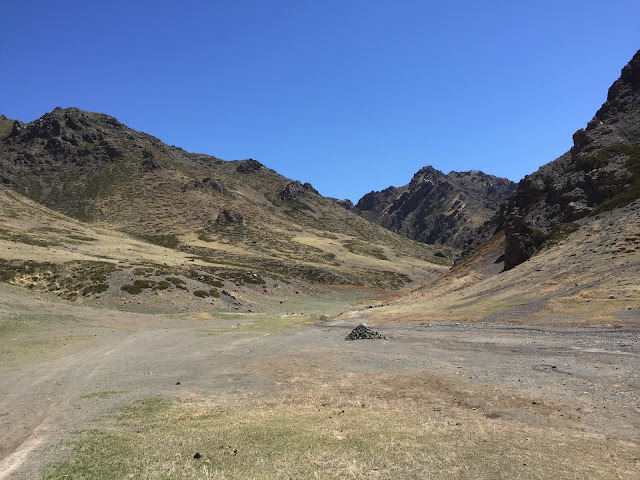
Yolyn Am Valley, Gurvan Saikhan National Park
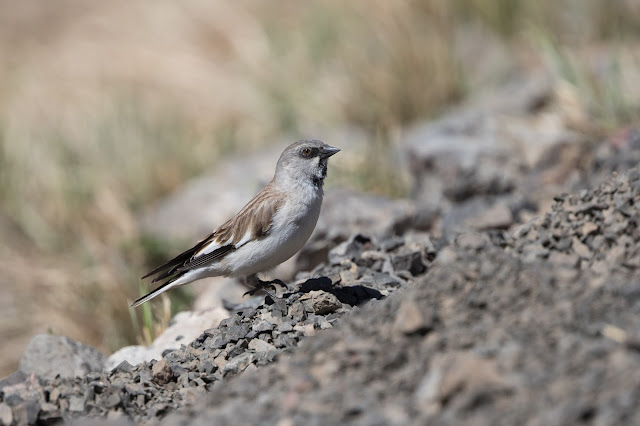
White-winged Snowfinch -Yolyn Am Valley, Gurvan Saikhan National Park
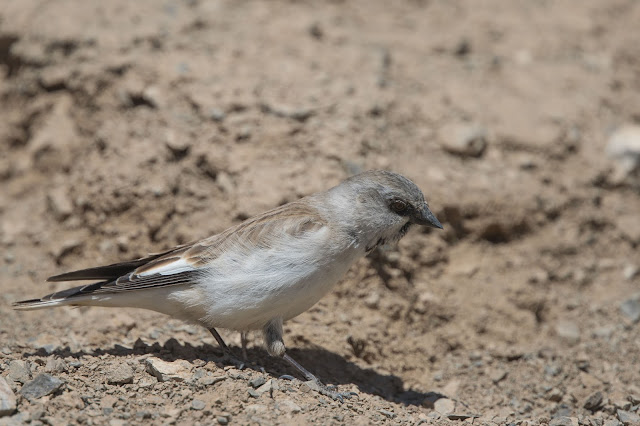
White-winged Snowfinch – Yolyn Am Valley, Gurvan Saikhan National Park
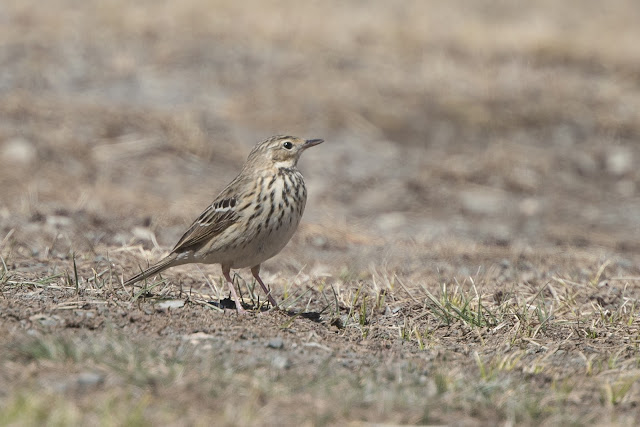
Tree Pipit- Yolyn Am Valley, Gurvan Saikhan National Park

Red-cheeked Ground Squirrel – Yolyn Am Valley, Gurvan Saikhan National Park
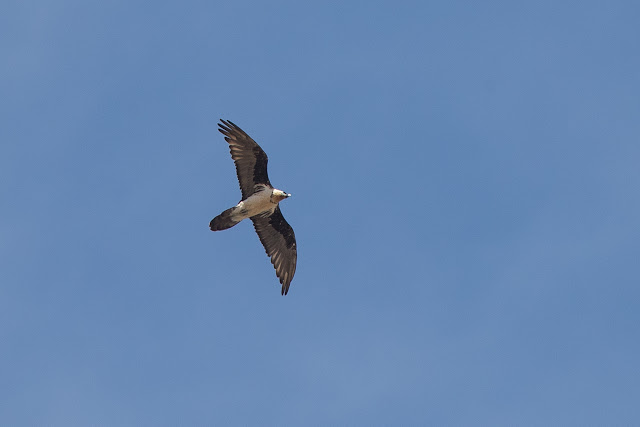
Lammergeier – Yolyn Am Valley, Gurvan Saikhan National Park
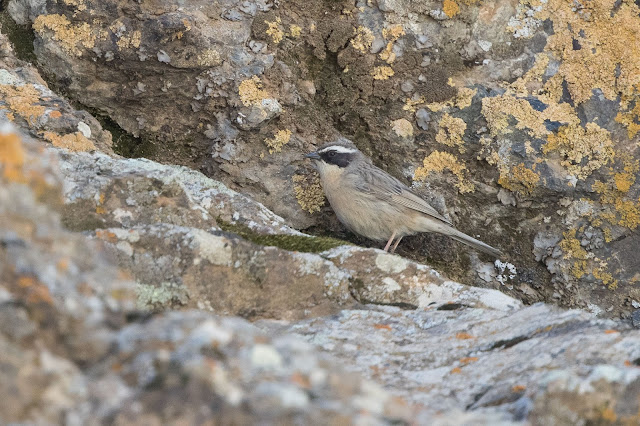
Brown Accentor – Yolyn Am Valley, Gurvan Saikhan National Park

Mongolian Accentor – Yolyn Am Valley, Gurvan Saikhan National Park
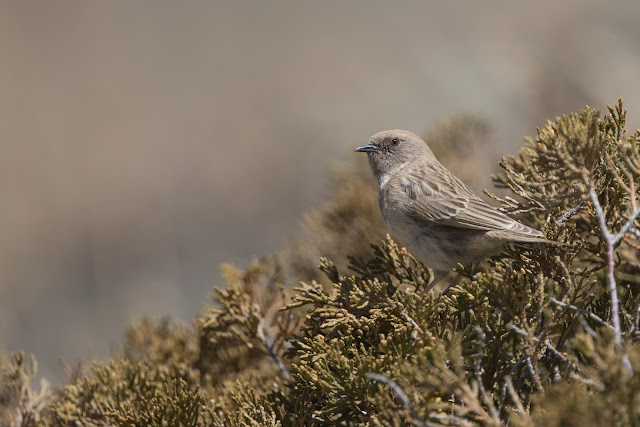
Mongolian Accentor – Yolyn Am Valley, Gurvan Saikhan National Park
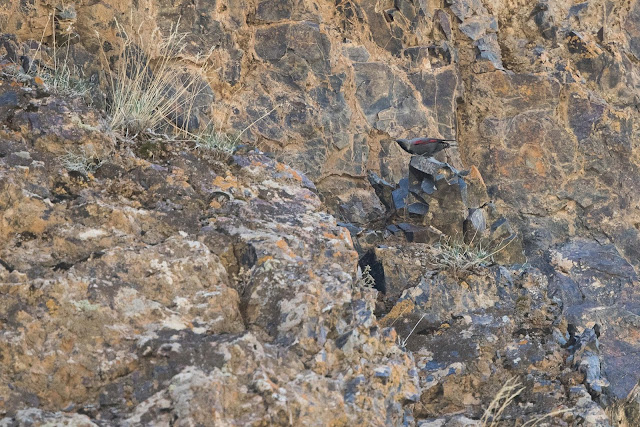
Spot the Wallcreeper – Yolyn Am Valley, Gurvan Saikhan National Park
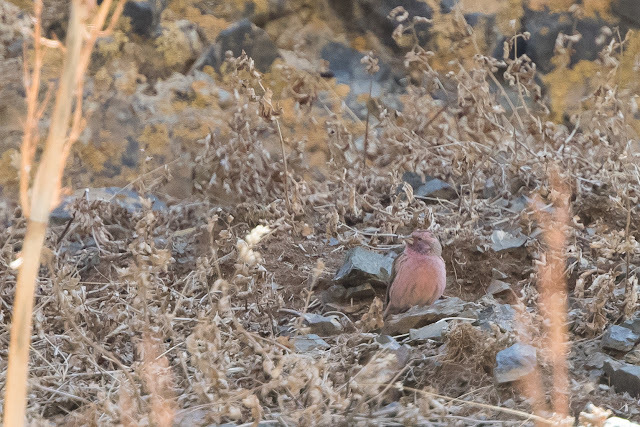
Chinese Beautiful Rosefinch – Yolyn Am Valley, Gurvan Saikhan National Park
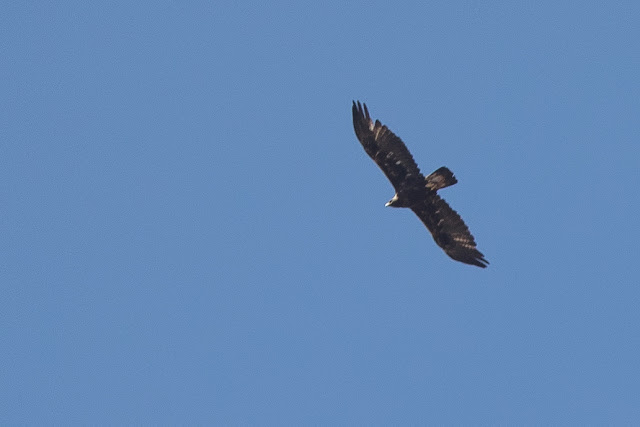
Golden Eagle– Yolyn Am Valley, Gurvan Saikhan National Park
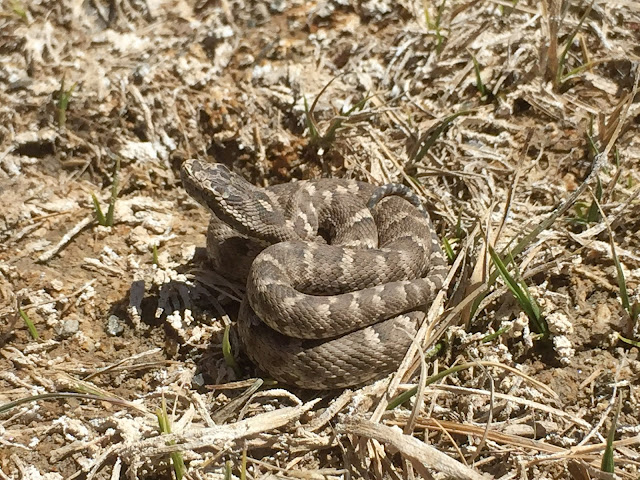
Mongolian Pit ViperGloydius halys -Yolyn Am Valley, Gurvan Saikhan National Park.
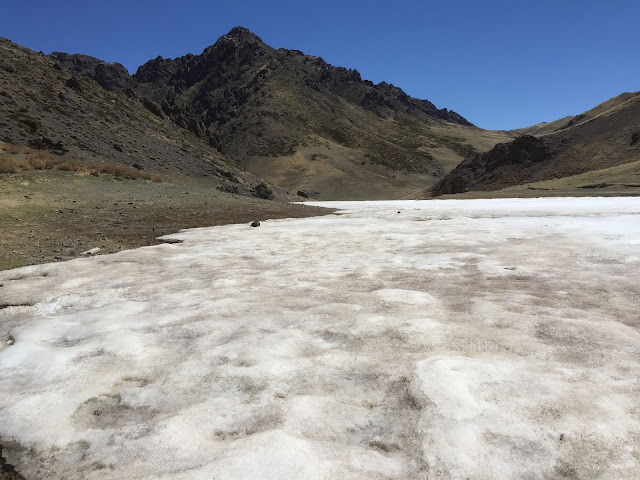
Yolyn Am Valley, Gurvan Saikhan National Park
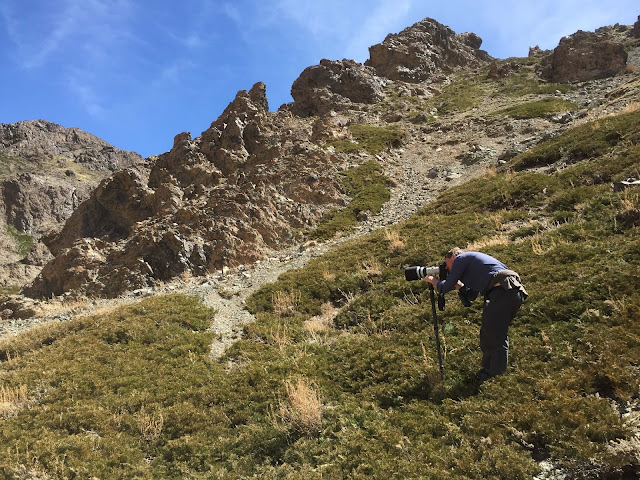
Photographing Mongolian Accentor on the mountain side Mongolian Accentor – Yolyn Am Valley, Gurvan Saikhan National Park.
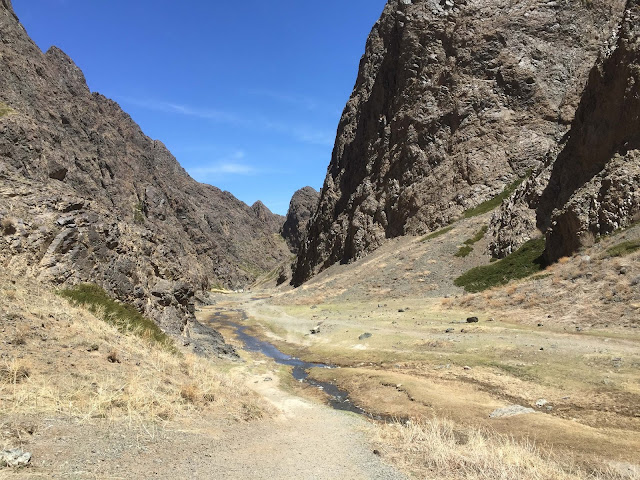
Yolyn Am Valley, Gurvan Saikhan National Park
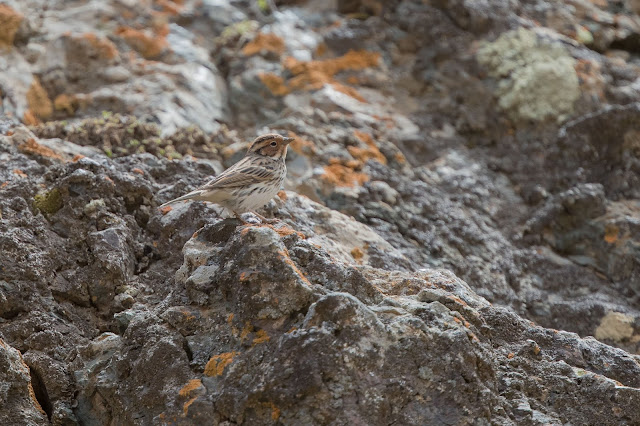
Little Bunting – Yolyn Am Valley, Gurvan Saikhan National Park
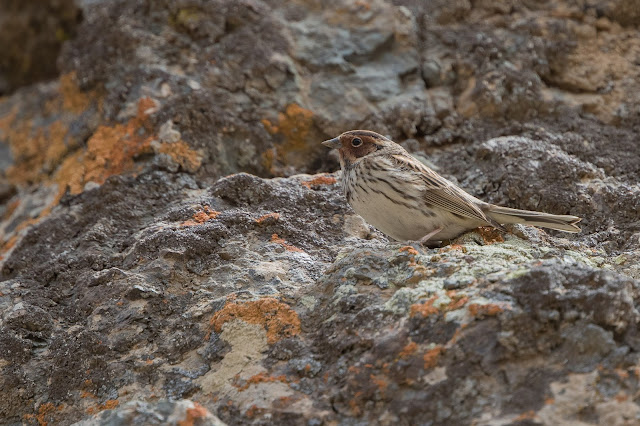
Little Bunting – Yolyn Am Valley, Gurvan Saikhan National Park
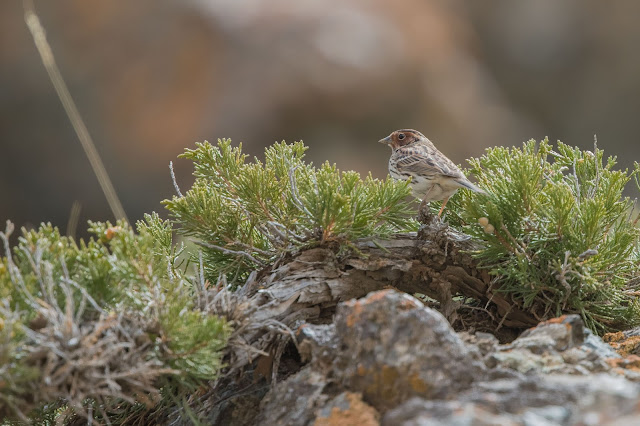
Little Bunting – Yolyn Am Valley, Gurvan Saikhan National Park

Grey Wagtail – Yolyn Am Valley, Gurvan Saikhan National Park
Back out into the park we headed down a valley to an area known as the Ice Cave seeing Upland Buzzard and Saker Falcon at the nest, White’s Thrush and Mongolian Finch.
Dinner at our campsite was followed by a night drive where we saw little but for Red Fox and a rather spectacular Mongolian Five-toed Gerboa. Bed was at 12:00 and I slept okay in the fairly warm conditions.
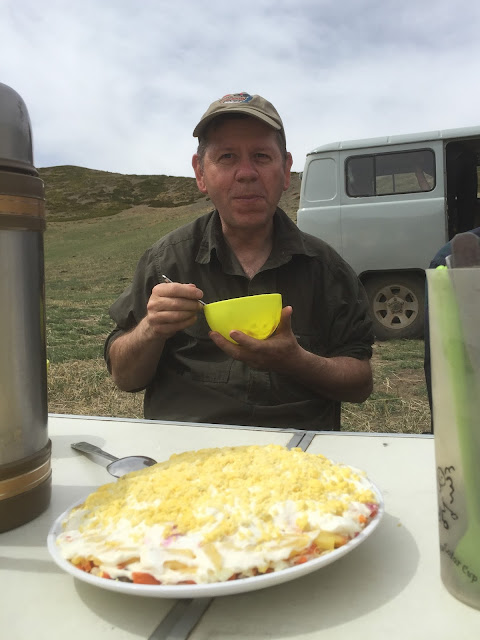
Barry eating his Mimosa
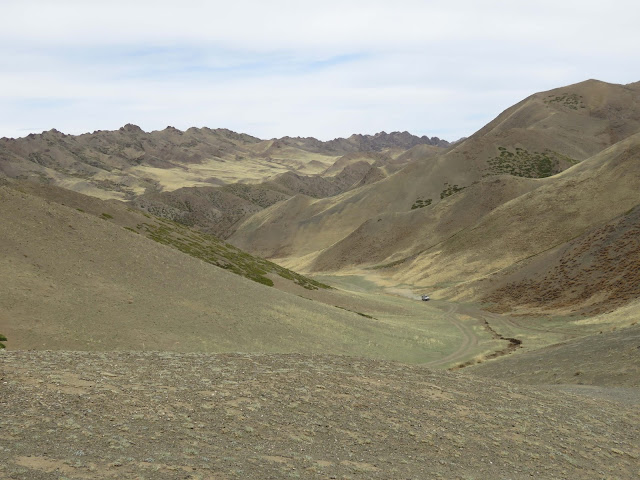
Gurvan Saikhan National Park
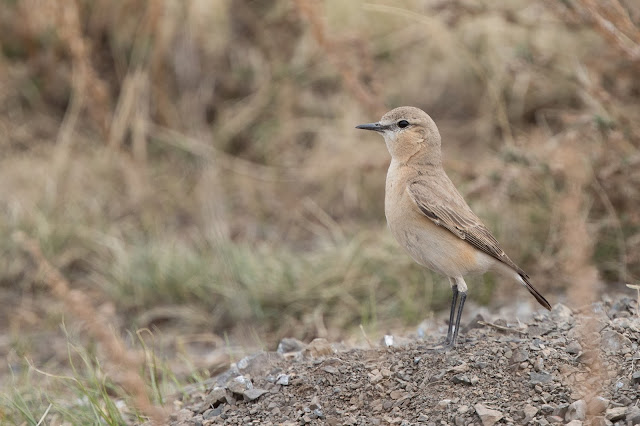
Isabelline Wheatear – Gurvan Saikhan National Park
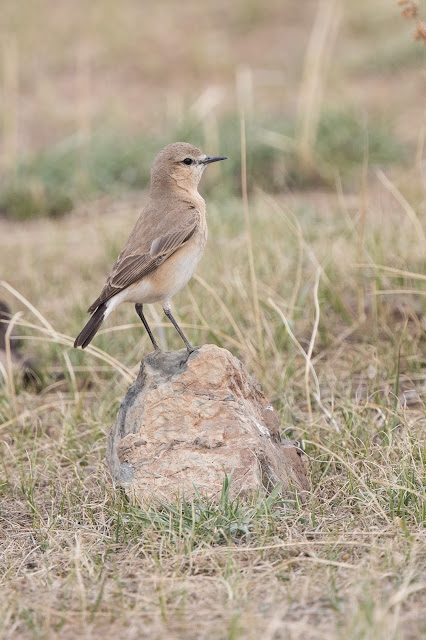
Isabelline Wheatear – Gurvan Saikhan National Park
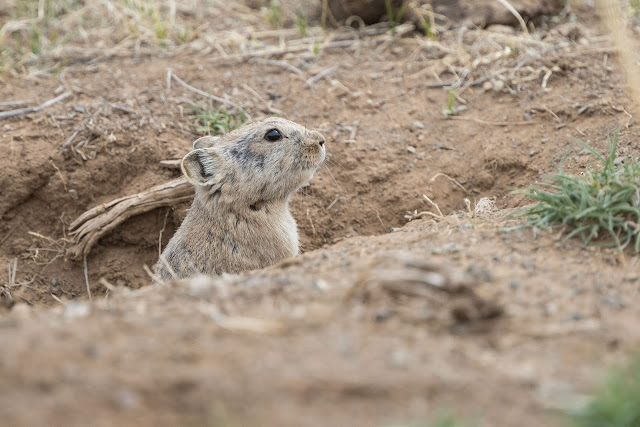
Pallas’s Pica – Gurvan Saikhan National Park
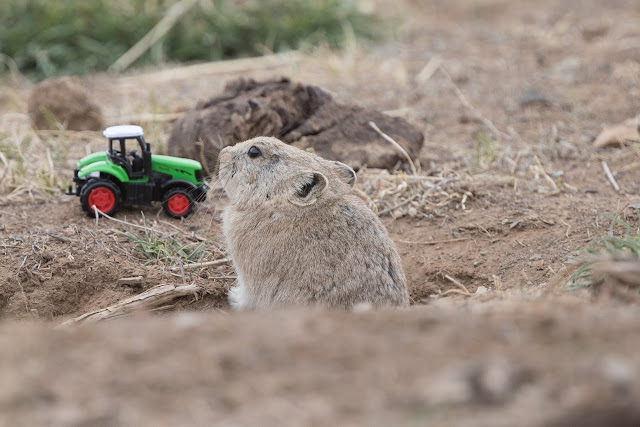
Tobias insisted that I took this tractor with me to Mongolia and he wanted me to take pictures of it with the birds I saw, we has some fun with this Pica!

Upland Buzzard, its nest seemingly stuck to the cliff face – Gurvan Saikhan National Park
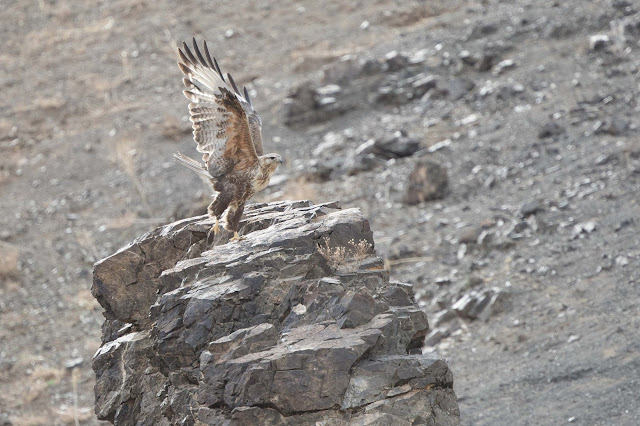
Upland Buzzard – Gurvan Saikhan National Park

Upland Buzzard – Gurvan Saikhan National Park
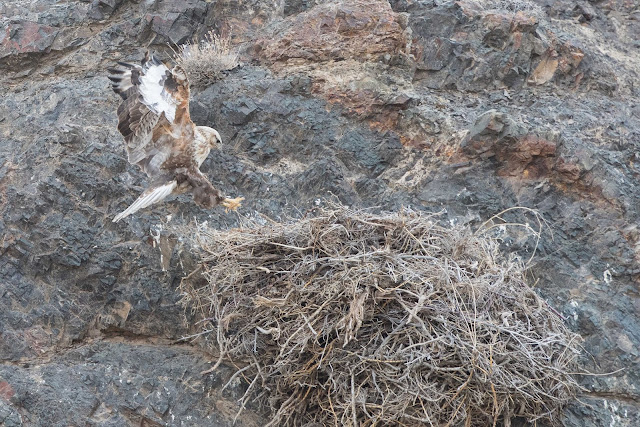
Upland Buzzard – Gurvan Saikhan National Park
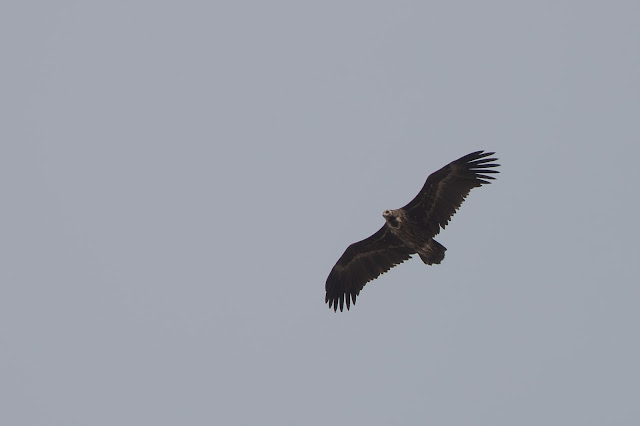
Black Vulture – Gurvan Saikhan National Park
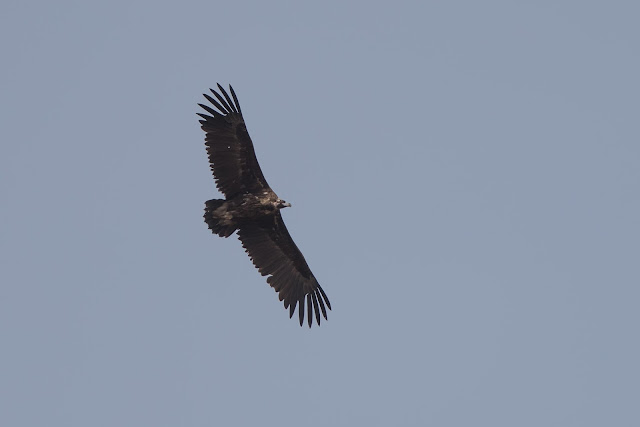
Black Vulture – Gurvan Saikhan National Park
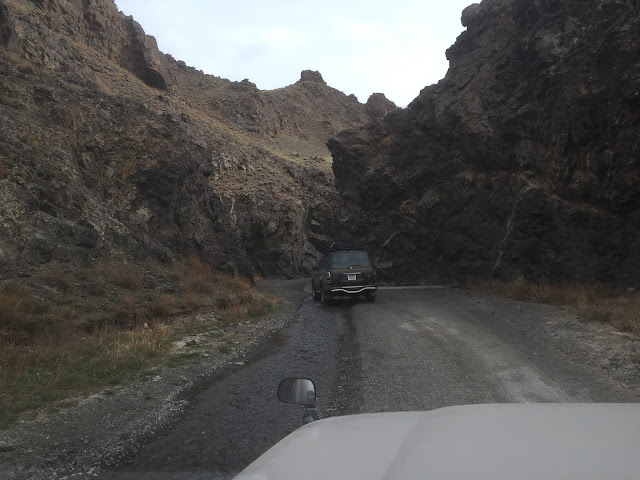
Driving through the Gurvan Saikhan National Park, the road narrowing
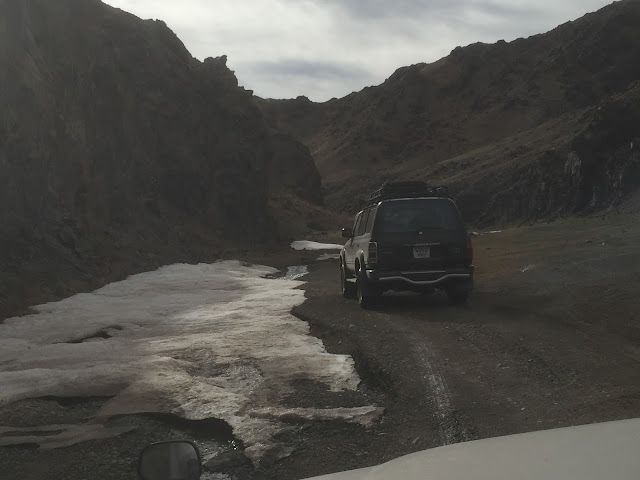
Driving through the Gurvan Saikhan National Park, the road narrowing
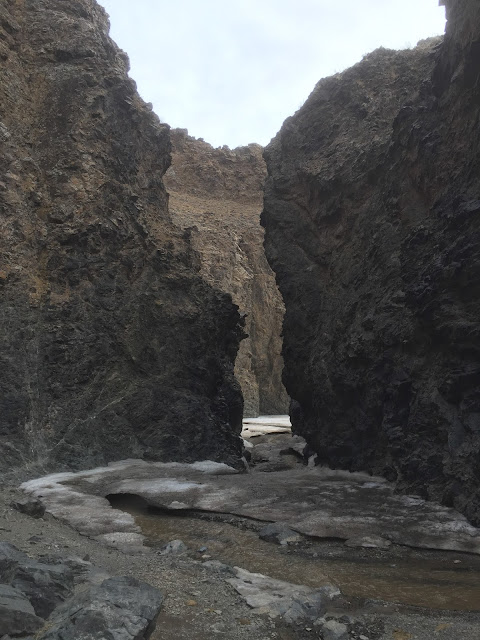
Driving through the Gurvan Saikhan National Park, the end of the road

Frozen River Gurvan Saikhan National Park
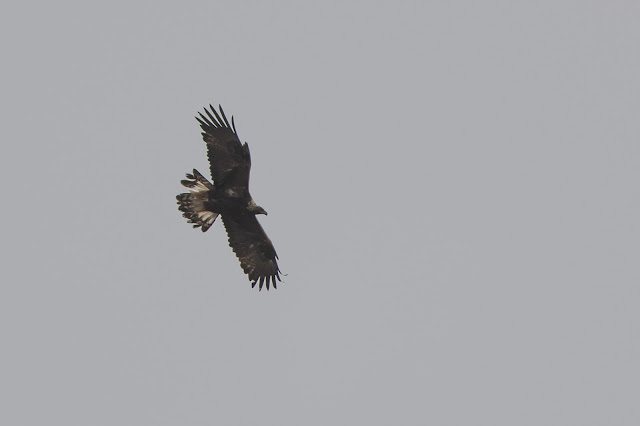
Golden Eagle – Gurvan Saikhan National Park
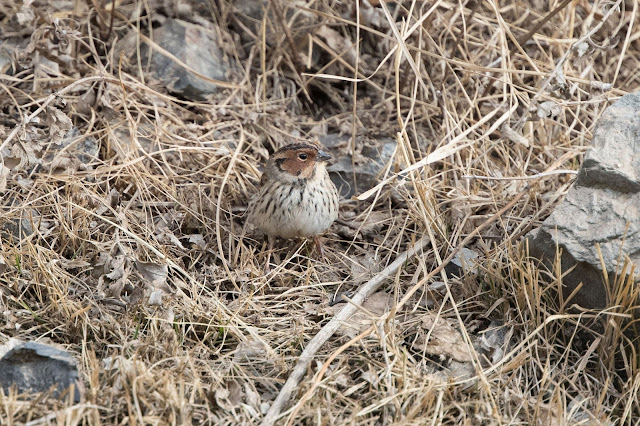
Little Bunting – Gurvan Saikhan National Park

Saker on nest – Gurvan Saikhan National Park
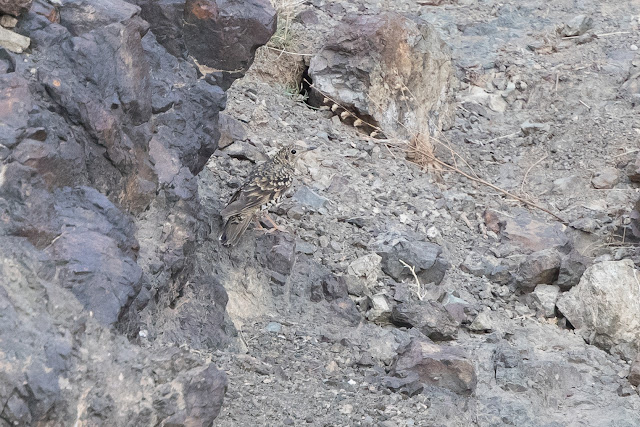
White’s Thrush, seeing this species on barren slopes makes one realise that they are not so out of place in a Geo on Fair Isle – Gurvan Saikhan National Park.
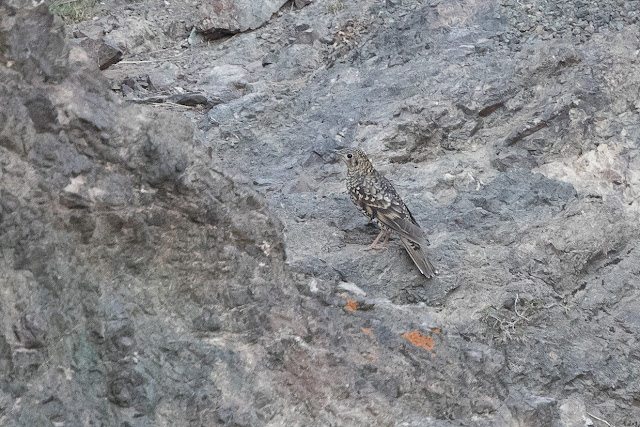
White’s Thursh – Gurvan Saikhan National Park
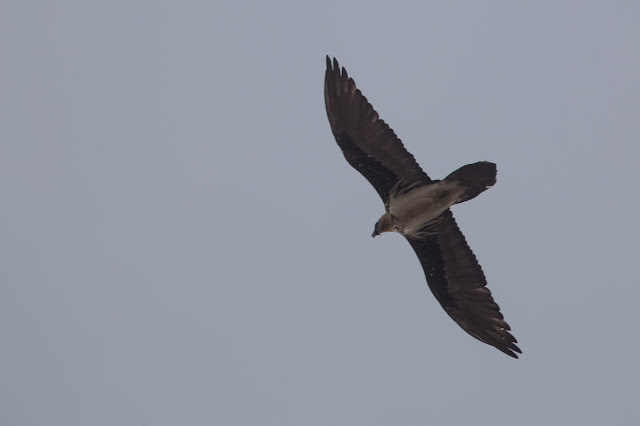
Lammergeier – Gurvan Saikhan National Park
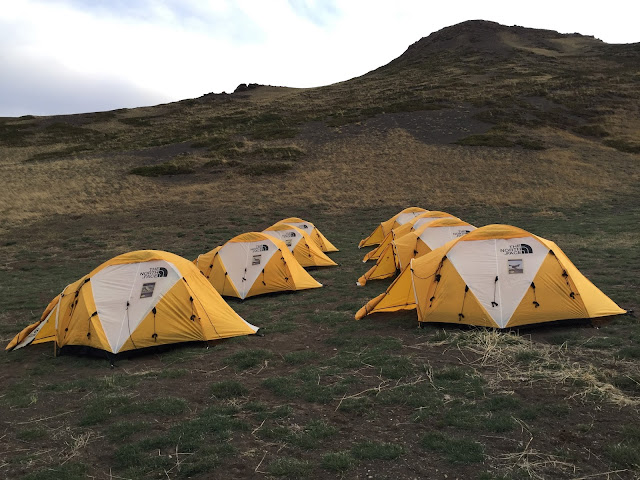
Our campsite in Gurvan Saikhan National Park
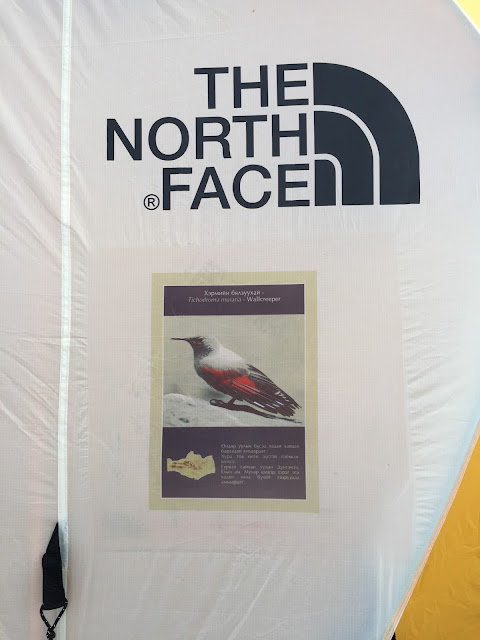
Mine was the Wallcreeper tent
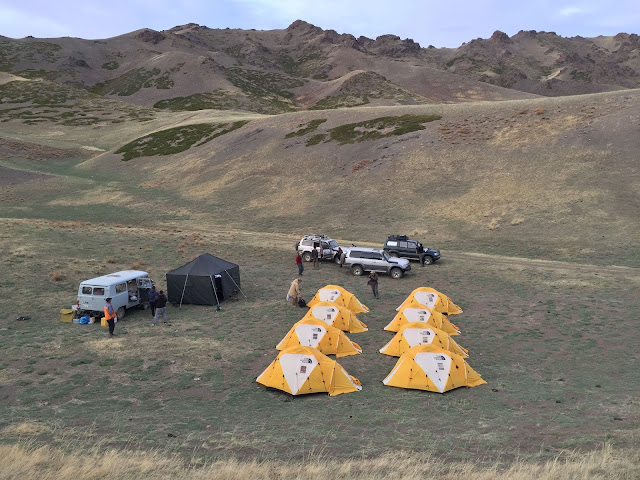
Our campsite – Gurvan Saikhan National Park

Long-eared Jerboa – Gurvan Saikhan National Park

Simon Colenutt
I began birdwatching at the age of nine when living on the Isle of Wight. After obtaining a copy of the Isle of Wight Bird Report from 1976 I realised that Manx Shearwater, Arctic Skua, Pomarine Skua and Black Tern were regularly seen at St.Catherine's Point, only five miles from my home village of Chale Green. To a nine year old these birds were near mythical and so I just had to go and try to see them. Little did I know that these birds were seasonal and after a long winter of seeing nothing I eventually started to bump into other birdwatchers as March drew to a close. It was then that Dave Hunnybun, Dave Wooldridge, Paul Castle, Peter Gandy and Audrey Wilkinson introduced me to the art of seawatching and the joys of bird migration, I have not looked back since.




Leave a Reply