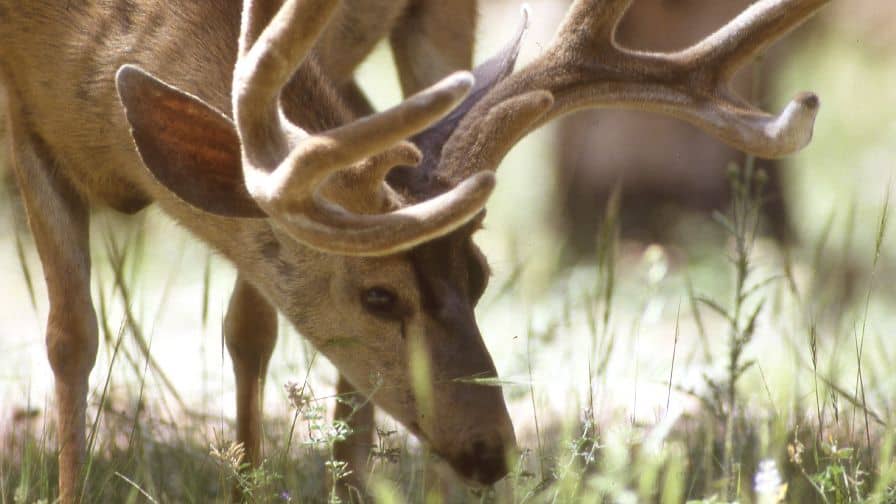
As farming season comes to an end it may be time to start thinking about upgrading your facilities. The planning for future problems such as crop disease and pest control are crucial to the success of next season’s productivity. Farmers face a lot of potential problems through the season and much attention needs to be given to wild animal crop protection.
Wild animals are a big challenge for farmers. The constant attack from deer, boars, moles etc can cause serious damage. Their feeding and trampling of crops are the main issues faced by farmers.
These damages can cause significant financial loss that could be avoided if planned for appropriately. While protection of the farm is needed, farmers should take into consideration the welfare of wild animals and need to avoid potential unnecessary harm they could suffer.
Let’s take a look at six ways farmers can protect their crops from wild animals…
1.Fencing
A good fence can protect your farm and last for many years. Agricultural fences are one of the most effective way to protect the farm and the intruding wild animal. There are many restrictions, however, on the type of fence you’re allowed to erect.
If you want a fence that will last, wire meshing fences could be the perfect solution. They require little maintenance and form a good barrier. This type of fencing is recommended for high value crops.
A plastic fence may be a good idea if you’re on a budget and are generally restriction free. The draw back with plastic is the longevity of the technology. You’ll likely need to replace a plastic fence every few years.
- Natural Deterrents
There are various ways in which to protect your farm the naturally.
Smoke can ward off animals. Burning dung can be a cheap option to do this. Fish and garlic emulsion is an effective way to ward off game type animals such as deer and rabbits. Setting a few bee hives close to the farm will scare off many animals as they fear the sound of bees. Squirrels can’t take the heat of chilli so spreading them around the fields is a good idea. You could plant lavender as rabbits don’t like it and you could potentially earn you a little extra each year.
- Chemical Repellents
Chemicals are always an option. Anthraquinone and Butanethiol are both effective options but the ethical implications are all to obvious.
4.Biophysical Options
Bamboo, dicarded wood and shrubs might be the most ethical way to ward off animals but the maintenance will be often and necessary. Fire safety measures will need to be undertaken for this method to prove successful and efficient.
- Grain Dryers
So there’s five strategies you could consider. Scarecrows and dogs are still an effective way to ward away but the main thing to remember is regular inspection and monitoring of the farm.

Robert Lovell
Robert Lovell is a writer and editor with a love of wildlife and a passion for environmentalism. He is based in the north of England but loves to travel.





Leave a Reply